
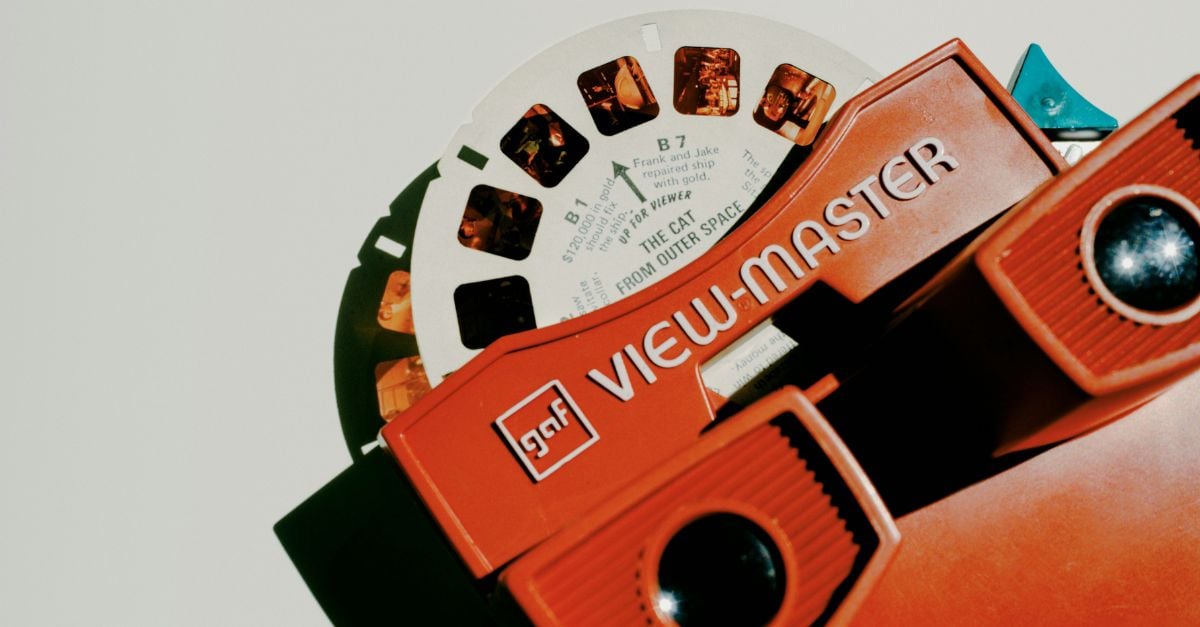
Long before virtual reality headsets and digital screens took over childhood entertainment, there was one toy that made kids feel like they were traveling into another world simply by looking through a small plastic viewer. The View-Master became a beloved part of growing up for generations of children who were fascinated by its colorful three-dimensional images and endless sense of wonder.
For many families, the toy represented far more than simple entertainment. It became a gateway to famous landmarks, Disney characters, television shows, and adventures that felt almost magical during an era when immersive technology barely existed.
View-Master Started As A Photography Experiment
According to The Strong National Museum of Play, the origins of the View-Master trace back to 1938, when Harold Graves, president of Sawyer’s Photographic Services, encountered camera enthusiast William Gruber at Oregon Caves National Monument. Gruber had created a unique setup using two cameras strapped together in an effort to modernize old-fashioned stereoscopes popular during the 19th century.
The two men quickly recognized the potential of the invention and partnered to create the View-Master. Their new handheld viewer debuted publicly at the 1939 New York World’s Fair before eventually reaching specialty photography stores across the country. At first, the reels primarily featured scenic attractions and famous landmarks, allowing people to experience three-dimensional travel imagery from home. But everything changed during the 1950s when the company secured rights connected to Disney characters and family entertainment.
Disney Helped Turn The Toy Into A Cultural Phenomenon
The View-Master exploded in popularity after acquiring licensing rights linked to Disney films, television programs, and even the newly opened Disneyland amusement park. Suddenly, children could view colorful 3D scenes featuring many of their favorite characters and stories. As its success grew, the toy expanded far beyond travel photography and began offering reels tied to major movies, cartoons, television shows, and educational subjects. Over the decades, several companies—including Fisher-Price and Tyco Toys—continued producing updated versions for newer generations of children.
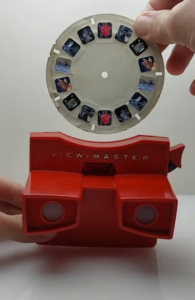
Part of the toy’s lasting appeal came from how immersive it felt despite its simplicity. Sliding a reel into the viewer and clicking through images created an experience that felt surprisingly advanced for its time. For many kids, it was their first taste of visual storytelling that felt interactive and personal. Even now, nostalgia surrounding the toy remains strong among adults who remember spending hours flipping through reels featuring fairy tales, nature scenes, Disney adventures, and famous attractions from around the world. Decades after its debut, the View-Master continues holding a special place in toy history because it introduced generations of children to the excitement of exploration, imagination, and storytelling through the magic of three-dimensional images.