

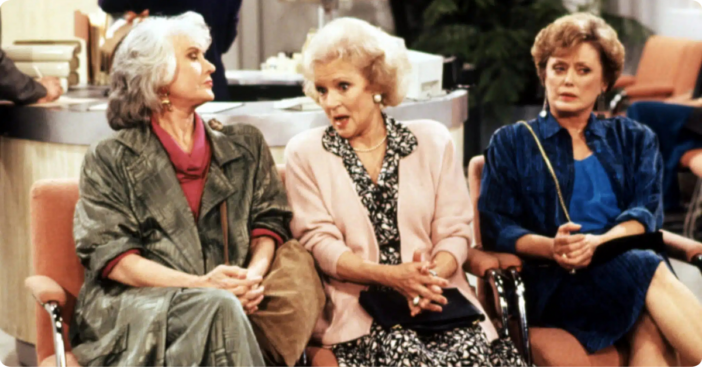
One of the most beloved sitcoms in television history built its entire identity around the lives of older women, yet The Golden Girls carefully avoided revealing the exact ages of its main characters. While viewers often assumed Dorothy, Rose, Blanche, and Sophia were well into their senior years, the show intentionally kept those details vague throughout its legendary run.
The decision was not accidental. Behind the scenes, creator Susan Harris and the cast understood just how unusual the series was for television at the time. During the 1980s, Hollywood rarely centered stories around older women, especially in a comedy that openly explored friendship, dating, family, and aging from their perspective.
Golden Girls Age Discussions Were Avoided On Purpose
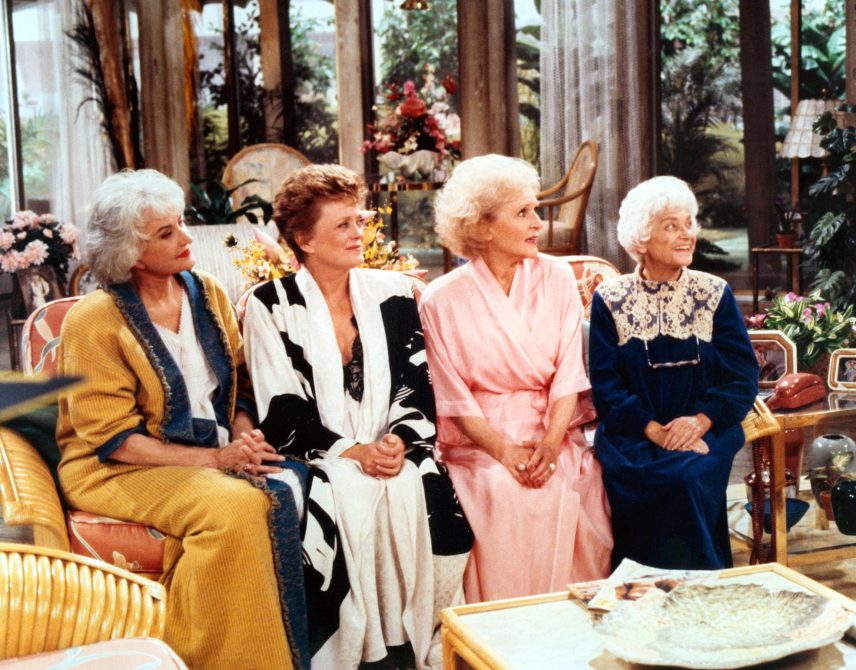
According to comments Susan Harris shared with Vulture and later highlighted by MeTV, the original concept for the show focused on women between 60 and 70 years old. Harris explained that the idea immediately excited her because television rarely explored the personal lives of women in that age group.

However, Harris reportedly felt surprised when network executives revealed they viewed “older women” very differently. Executives apparently considered women in their 40s to already fall into the “older” category, something Harris found astonishing at the time. The Golden Girls ultimately portrayed the characters as women in their late 50s to early 60s, but the show deliberately avoided revealing their exact ages on screen. Rather than attaching strict ages to the characters, the series allowed viewers to focus on their personalities, relationships, humor, and emotional lives instead.
The Cast Also Refused To Talk About Their Ages Publicly

The decision to avoid discussing age extended beyond the scripts themselves. The actresses even made a private agreement among themselves not to publicly reveal their exact ages during interviews while the show was airing. White once joked that the cast would simply say they were “around 60,” while teasing that some of them were slightly closer to that number than others. The playful secrecy became part of the show’s charm and reflected Hollywood’s complicated relationship with aging actresses during that era.
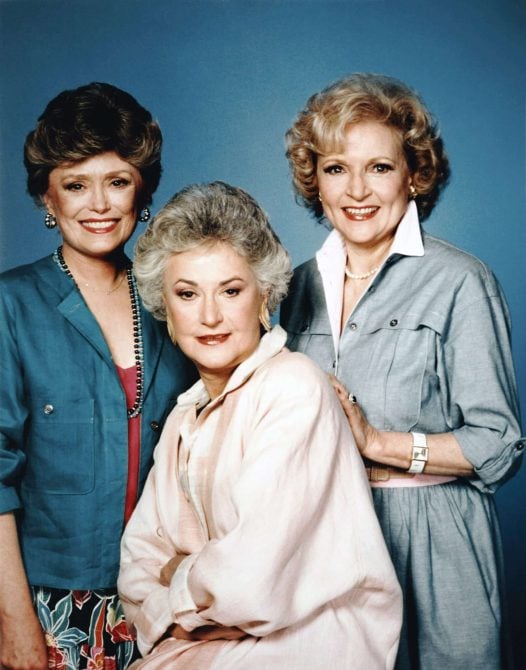
The Golden Girls age mystery ultimately may have helped the sitcom resonate with audiences across generations. Instead of reducing the characters to a number, the show focused on themes that felt universal—friendship, independence, heartbreak, laughter, loneliness, and starting over later in life. Decades later, the series remains groundbreaking not simply because it featured older women but because it treated them as funny, complicated, active, and fully human people whose stories deserved center stage.