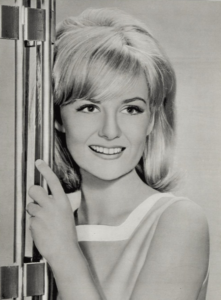

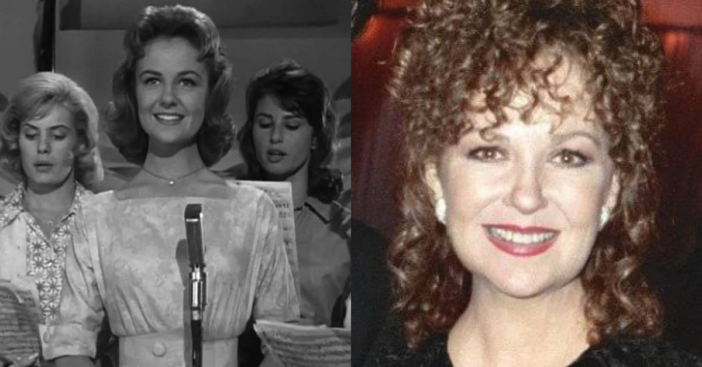
Shelley Fabares, the actress and singer who charmed generations of viewers on The Donna Reed Show, One Day at a Time, and Coach, has died at 82. Her family said she died in Los Angeles on Saturday, August 22, leaving behind a television career that stretched from her childhood into the 1990s.
According to NBC News, for many fans, Shelley Fabares will forever be Mary Stone, the teenage daughter whose storylines helped make The Donna Reed Show a television favorite. But her career reached far beyond that role, taking her from a No. 1 pop hit to movies with Elvis Presley and, decades later, an Emmy-nominated return to sitcom success.
Shelley Fabares Became a TV Favorite at a Young Age
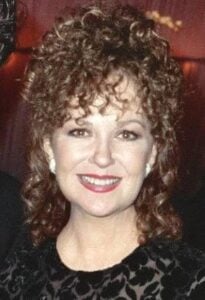
Born in Santa Monica, California, in 1944, Fabares began acting as a child and earned her first television credit at age 10 on The Loretta Young Show. Early appearances followed alongside major stars, including Paul Newman, Frank Sinatra, Eva Marie Saint, Rosalind Russell, and Rock Hudson. Her biggest breakthrough arrived in 1958 when she began playing Mary Stone on The Donna Reed Show, remaining a regular through 1963.
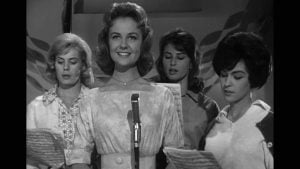
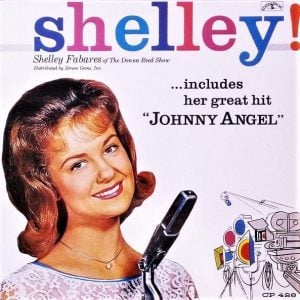
Those years also unexpectedly turned Fabares into a recording star. Her 1962 single “Johnny Angel” became a major hit, while her growing fame led to more movie opportunities. During the 1960s, she appeared opposite Elvis Presley in three films: Girl Happy, Spinout, and Clambake. She later looked back on her teenage years with Donna Reed as especially important, praising the actress for the lasting influence she had on her life.
From ‘Coach’ to a Lasting Television Legacy
Her family remembered her not simply for that impressive résumé, but for the warmth she brought to those closest to her. In announcing her death, they described her as a source of love, strength, laughter, and comfort who made people feel valued and cared for. That combination of talent and warmth helps explain why Fabares remained so fondly remembered. From Mary Stone and “Johnny Angel” to Christine Armstrong, she left behind characters and music tied to decades of television nostalgia. Her passing closes a remarkable chapter in classic entertainment history, but the performances that made audiences love her will continue to live on.