

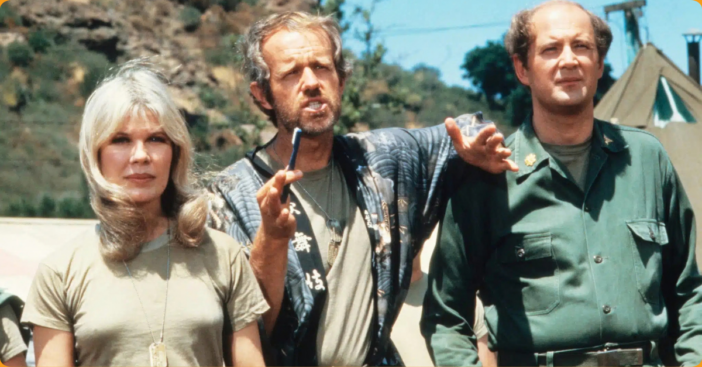
David Ogden Stiers became unforgettable to M*A*S*H fans as Major Charles Emerson Winchester III, the cultured and often pompous surgeon who arrived at the 4077th with expensive tastes and little patience for his surroundings. Yet television represented only one part of the actor’s creative life.
According to MeTV, Stiers regularly returned to the stage when he was away from the cameras. There, he found a different kind of challenge in the works of William Shakespeare. In fact, the David Ogden Stiers Shakespeare connection went far beyond a casual side interest. He believed that performing those classic plays made him a stronger and more thoughtful actor when he returned to M*A*S*H.
Shakespeare Gave David Ogden Stiers Something Television Couldn’t

Stiers considered stage work essential rather than optional. Speaking with the Pittsburgh Press, he explained that working with different writers, actors, and audiences gave him fresh energy and helped him better understand what he could bring to an ongoing television role.

Shakespeare held a particularly important place in that process. “Playing his roles fills up in me what TV erodes,” Stiers said, explaining that the plays allowed him to draw on his mind, emotions, and life experiences in ways television did not always require. For him, Shakespeare’s stories also dealt directly with the fundamental themes of human life, giving him material that challenged him on a deeper level.
He Brought Those Lessons Back to Major Winchester

Stiers saw theater and television as complementary, believing Shakespeare helped him bring more depth to Winchester’s serious scenes. The role demanded both comedy and drama, shifting between arrogance, humor, compassion, and vulnerability. His stage experience gave him the tools to handle those changes convincingly.

The David Ogden Stiers Shakespeare connection reveals an actor who never wanted one successful role to define his craft. He kept seeking challenging material that sharpened his work and brought fresh depth to familiar characters. That commitment helped make Winchester far more than a one-note replacement on M*A*S*H, giving him intelligence, humor, and unexpected emotional depth.