

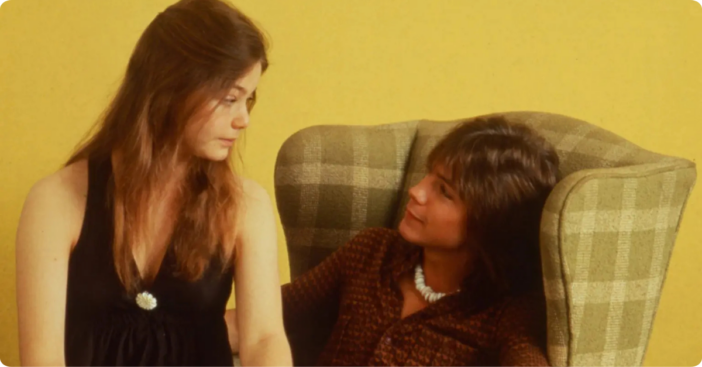
Susan Dey and David Cassidy shared one of television’s most memorable on-screen dynamics, but behind the scenes, their relationship carried a far more complicated emotional story. As The Partridge Family rose to fame in the early 1970s, both actors found themselves navigating sudden stardom, close friendship, and feelings that did not quite align.
Their connection started naturally. They spent time together off set, laughing, talking, and enjoying the kind of easy companionship that often develops between co-stars. For fans watching at home, their chemistry felt genuine—and in many ways, it was.
When Friendship Turned Into Something More

Over time, Dey began to see Cassidy as more than just a friend. Working closely together and sharing the same whirlwind experience of fame created a bond that felt deeper with each passing day. Eventually, she decided to express her feelings, hoping their relationship might grow into something romantic.

According to TV Insider, Cassidy later revealed in his autobiography that he did not feel the same way. He saw her more like a sister, a perspective that made it impossible for him to return her affection. That moment marked a turning point, as the friendship they once shared began to unravel under the weight of unreciprocated feelings.
Moving Forward After a Difficult Chapter

The aftermath of that revelation proved difficult for both of them, especially for Dey. Reports suggest the situation deeply hurt her, and over time, it created distance between the two. Despite their shared history, they did not maintain the same closeness they once had.

As their careers moved in different directions, Dey found success in L.A. Law, earning critical acclaim and major award nominations. Cassidy continued working in television and music, though he never quite reached the same level of sustained success as he had during his Partridge Family years. The Susan Dey and David Cassidy story remains one of the more emotional chapters behind a beloved show. While time eventually softened the edges of that experience, it serves as a reminder that even the most joyful on-screen moments can carry complex realities off screen.