

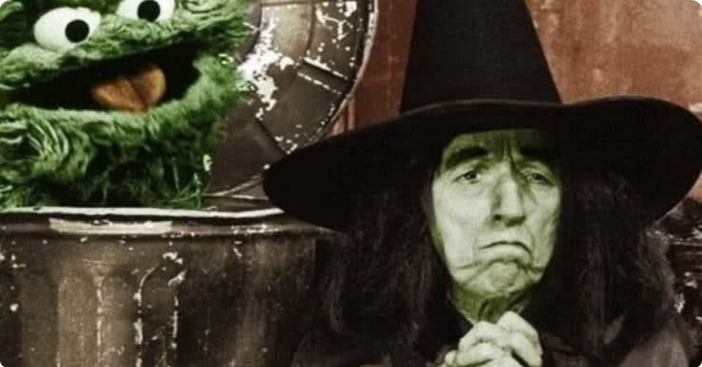
For decades, Sesame Street has stood as a symbol of warmth, laughter, and gentle lessons for young viewers. Still, even the most trusted children’s programs have faced moments that tested that trust. In 1976, the wicked witch Sesame Street episode became one of those rare and surprising controversies.
The Wicked Witch Sesame Street episode aired on Feb. 10, 1976, when Margaret Hamilton stepped back into her role as the Wicked Witch of the West from the 1939 classic The Wizard of Oz. According to People, Hamilton eagerly accepted the guest appearance, especially since she regularly watched the show with her grandchildren. She believed deeply in the program’s mission to make learning joyful—a belief that made the reaction all the more unexpected.
The Wicked Witch Sesame Street Episode That Frightened Young Viewers
In the episode, the witch crash-lands on Sesame Street and immediately clashes with David and Big Bird after David ends up holding her broom. The storyline aimed to teach a simple lesson about politeness and asking nicely. However, the Witch’s dramatic entrance and stern presence overwhelmed many preschoolers watching at home.
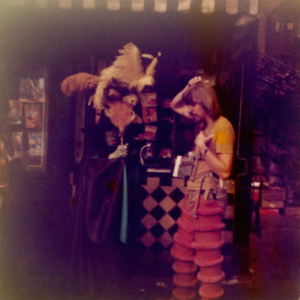
Art of Lost and Cancelled Media/X
Parents quickly responded with concern. One mother wrote to the Children’s Television Workshop describing how her children cried, turned off the television, and later woke from nightmares about “the wicked witch on Sesame Street.” She explained that the incident shook her confidence in the show, and she noted that other parents and even a preschool teacher shared similar worries.
Why The Wicked Witch Sesame Street Episode Never Aired Again
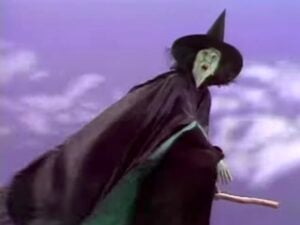
As complaints grew, the Children’s Television Workshop reviewed the situation. Researcher Ana Herrera screened the episode for a test group of children and observed their uneasy reactions firsthand. After studying their responses, she recommended that the network remove the episode from circulation.
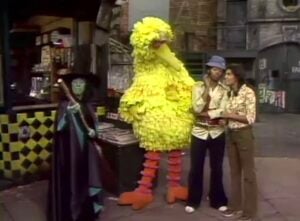
Producers ultimately pulled the episode from syndication, and it never returned to television. Although archivists preserved it in the Library of Congress, and it later surfaced online, the episode remains one of the few times Sesame Street underestimated just how powerful a familiar villain could feel to very young viewers.