

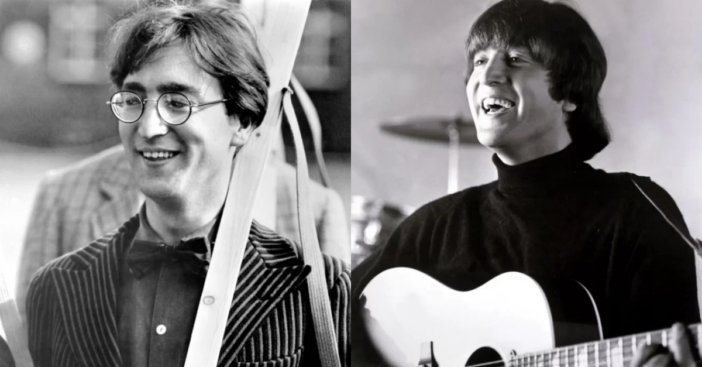
John Lennon’s death remains one of the most haunting moments in modern music history, and decades later, fans still search for clarity about who killed Lennon and why the tragedy unfolded the way it did. The former Beatle lost his life outside the Dakota in New York City on Dec. 8, 1980, leaving the world stunned and grieving. His story continues to echo across generations, carried by his music, his family, and the questions people still ask about the events of that night.
According to details shared by People through its reporting from the original investigation, Lennon spent the day recording, giving interviews, and even signing an autograph for the man who would later take his life. The musician was 40 years old, in a creative season, and deeply involved in family life with Yoko Ono and their son Sean. His final hours were ordinary in the most heartbreaking way—filled with work, plans for dinner, and thoughts of getting home early to see his child.
The Tragic Night Outside the Dakota
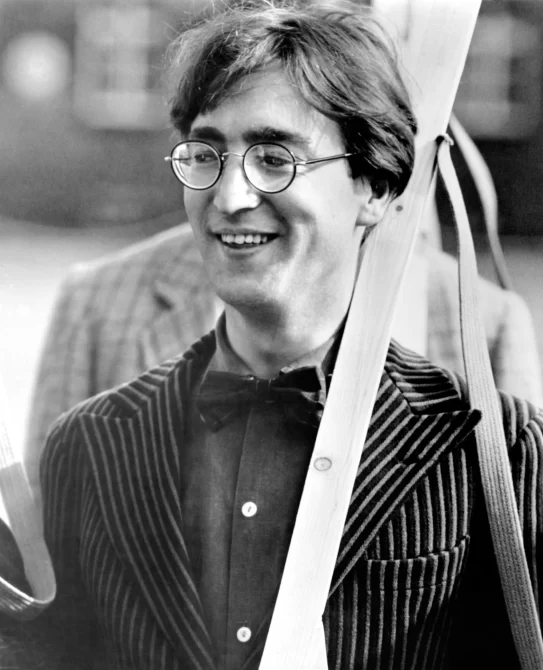
For those still trying to understand who killed John Lennon, investigators confirmed that the shooter was Mark David Chapman, an out-of-work security guard from Hawaii and a longtime Beatles fan. Chapman waited outside the Dakota, approached Lennon as he and Ono returned home, and fired four shots that caused massive internal injuries. Lennon was rushed to Roosevelt Hospital but was pronounced dead on arrival, with doctors later explaining that he had lost too much blood to survive.
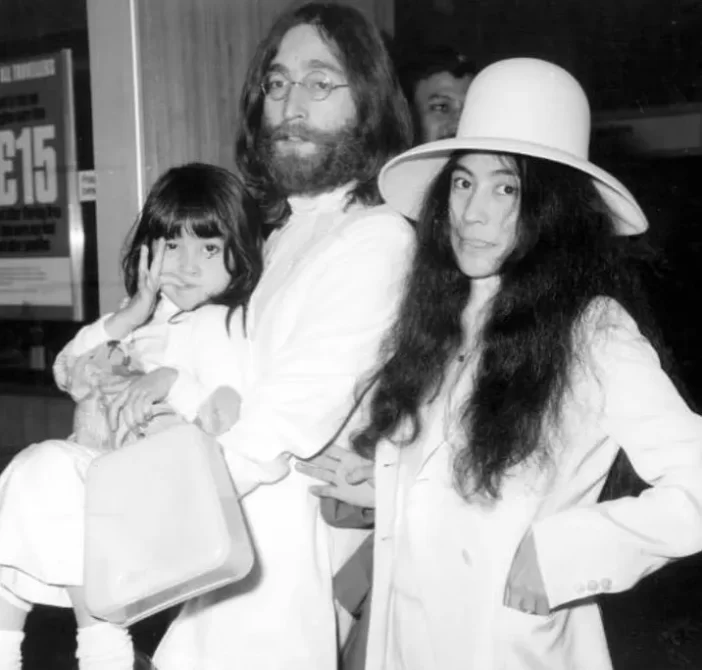
What made the incident even more shocking was Chapman’s immediate confession. Witnesses said he told the building’s doorman, “I just shot John Lennon,” moments after the attack. Chapman later admitted to parole boards that he acted out of a desire for fame and jealousy, a revelation that adds painful context for anyone wondering who killed John Lennon and why such a senseless act occurred.
The Aftermath and Ongoing Legacy
John Lennon's killer Mark David Chapman learns his fate in his 14th parole hearing. Read more: https://t.co/Vf03Tsyn88 pic.twitter.com/5flpqPqrKp
— Complex (@Complex) September 11, 2025
In the days following his death, fans gathered in massive crowds outside the Dakota and across the world. Silent vigils drew tens of thousands, and tributes poured in from Lennon’s loved ones, including Paul McCartney, who described the loss as deeply painful. These reactions reveal how strongly people felt connected to Lennon and why so many continue to revisit the story of who killed John Lennon and how the tragedy shaped music history.
Chapman remains in prison more than four decades later and has repeatedly been denied parole. Ono has opposed his release at every hearing, expressing fears for public safety and her family. His continued incarceration has kept the focus on accountability, justice, and the lingering question of who killed John Lennon and how his actions changed the world forever.