

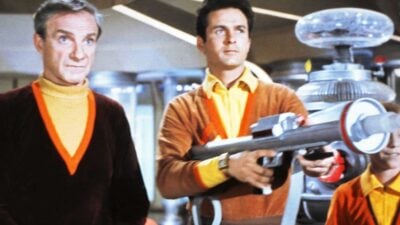
For three seasons on CBS, Dr. Zachary Smith whined, schemed and hid behind a little boy, and he walked away with Lost in Space while he was at it. Ask most fans to picture the show and they see Jonathan Harris wringing his hands beside the Robot, moaning “Oh, the pain!” So it surprises people to learn that the original version of the show had no Dr. Smith at all.
The short answer is no, Smith was never part of Irwin Allen’s first plan. The 1965 pilot was shot without him or the Robot, and Harris was brought in only after CBS bought the series. Bill Mumy, who played Will Robinson and spent more screen time with Harris than anyone, has said the character was never expected to stick around very long. How a stowaway villain became the star, and the odd credit he insisted on every week, is one of the best stories in classic TV.
What Did The First ‘Lost In Space’ Look Like?
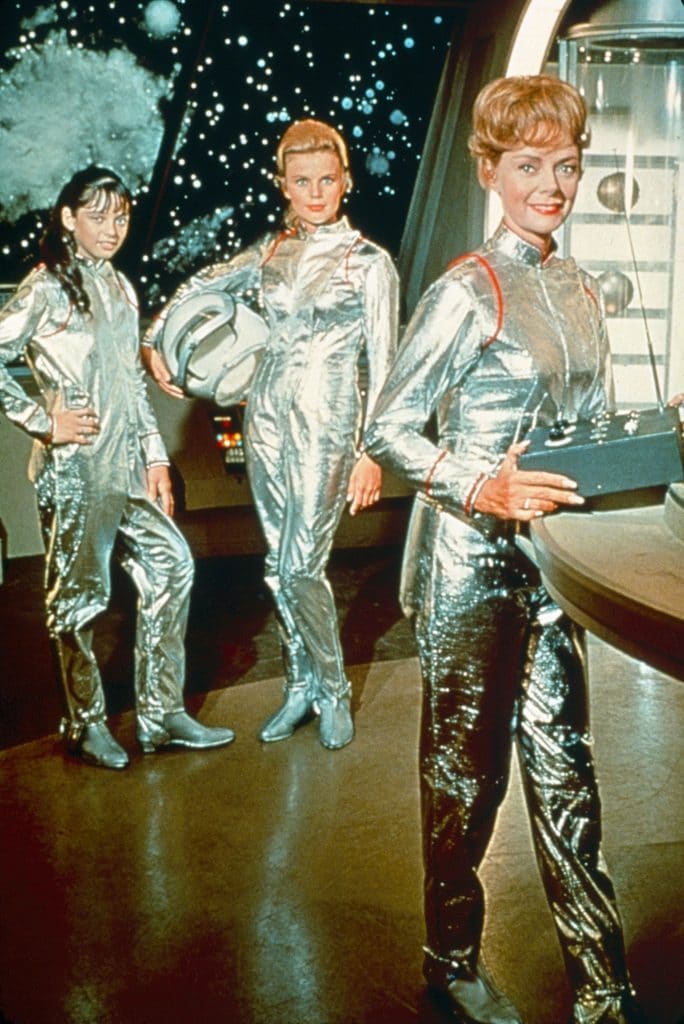
Irwin Allen’s pilot was called “No Place to Hide,” and it was a very different show. The Robinson family blasts off aboard a ship called the Gemini 12 rather than the Jupiter 2, and the crew gets along beautifully. There is no saboteur on board and no talking Robot clanking down the corridor. The danger comes from space itself, which is exactly how Mumy remembered the early idea. “Our Lost in Space started out as a dramatic pioneer story,” he told Den of Geek in 2021. “A family against the alien environment.”
CBS liked it enough to order a series, and Allen reused footage from the pilot in the early episodes. But somebody decided a family of brave, cooperative pioneers needed a thorn in its side. By the time the show premiered on September 15, 1965, a brand new character had been written into the very first episode.
Who Was Dr. Smith Supposed To Be?
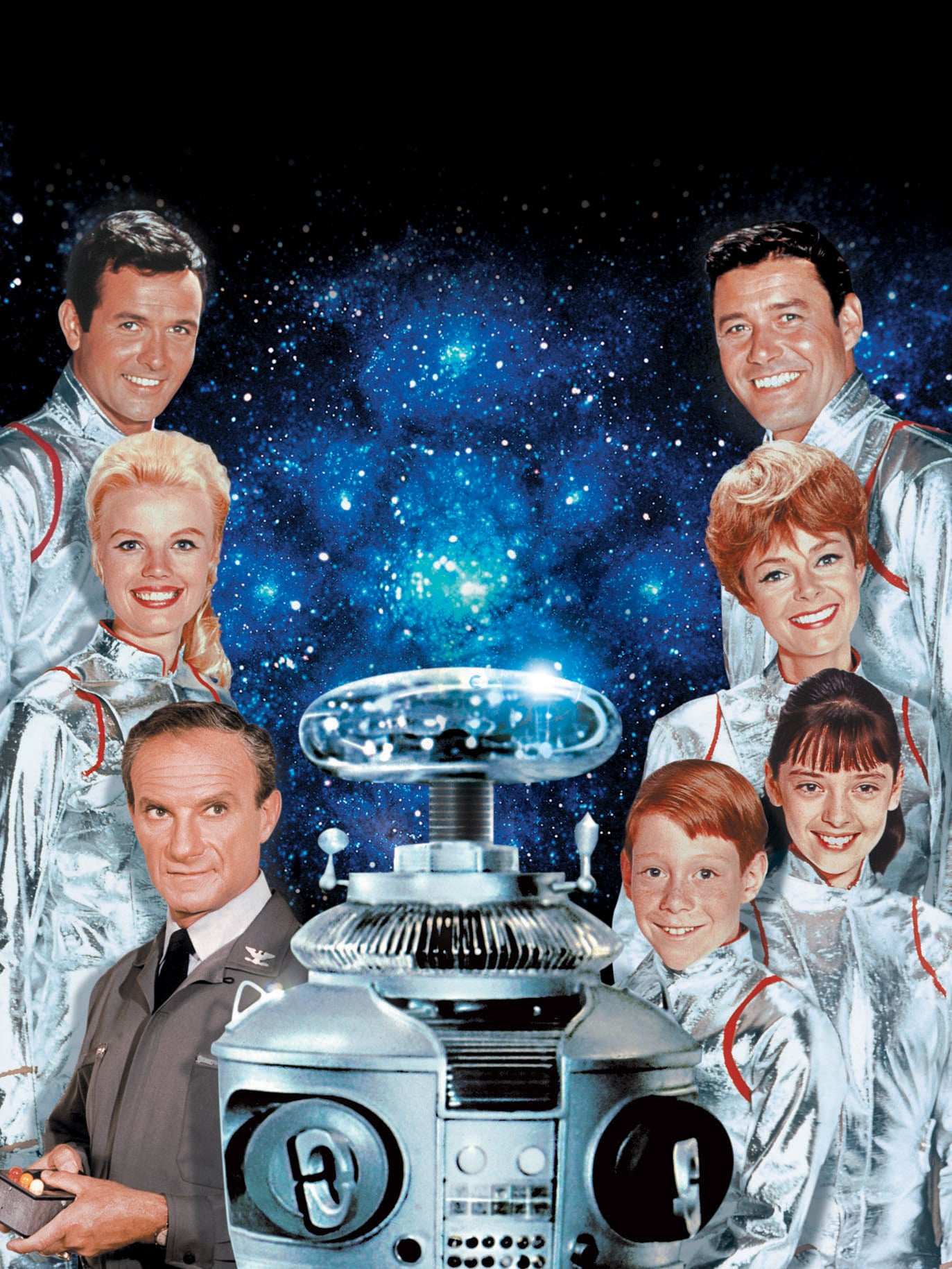
The Smith of those first episodes was no comic relief. He was a doctor at Alpha Control secretly working for an unnamed foreign power, and he reprogrammed the Robot to wreck the Jupiter 2 hours after launch. Then he got trapped aboard when the ship lifted off, and his extra weight helped knock the Robinsons off course. When the Associated Press wrote his obituary in 2002, it still described him first as “a saboteur who caused the Robinson family’s ship, Jupiter II, to fly off course.”
Harris was 50 when the show premiered, a Bronx-born stage and television actor who had played fussy, faintly sinister types for years. Mumy says Harris played the early scripts straight. “Jonathan played him as written, which was this really dark, straight-ahead villain,” Mumy recalled. The Robot, voiced by Dick Tufeld, was new too, and the two of them would soon become a double act nobody had planned. So how long was this villain supposed to last?
Was Dr. Smith Meant To Be Killed Off?
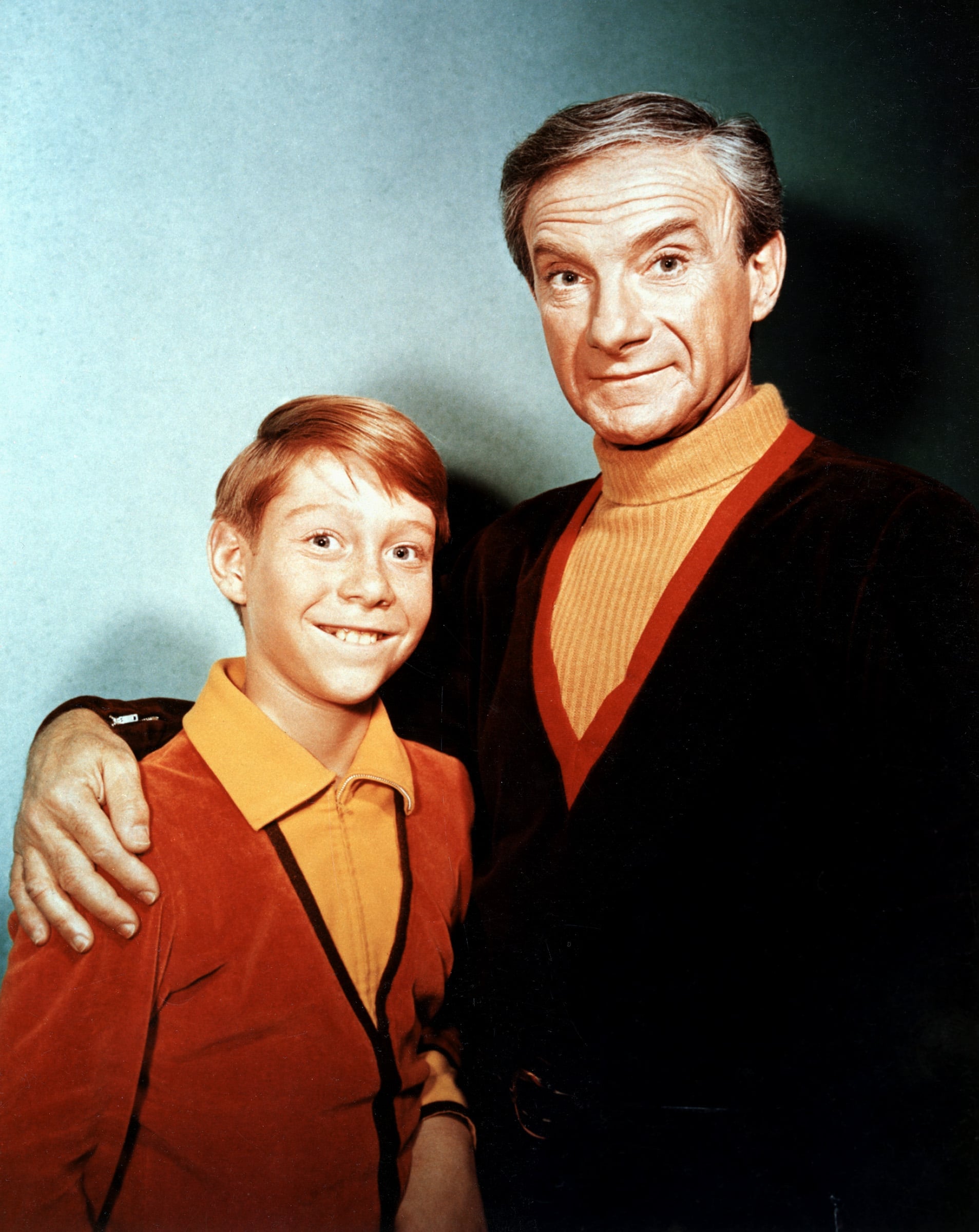
Nobody has ever produced a script or memo with a death scene for Smith, so the honest answer rests on the people who were there. Mumy, now 72, has been the clearest witness. “It was actually implied that this villainous character that sabotaged the mission and ended up with us was going to be killed off after a while,” he said. Other accounts over the years have put a number on it, a handful of episodes, but those figures come from trivia lists rather than anyone on the production, so treat them as fan lore.
What changed the plan was Harris himself. Midway through the first season he began quietly rewriting his own lines to make Smith funnier, because he believed his real strength was the comic villain. Irwin Allen noticed and, instead of stopping him, gave him free rein. “Irwin let me work out my own approach,” Harris told King Features columnist Charles Witbeck in November 1965, only two months into the run. He described his Smith in the same interview as “really a cowardly lion who would rather be bad than good.”
The network was pushing in the same direction. According to Mumy, CBS told Allen the show was too scary for its early evening slot and asked him to lighten it up. Harris saw the opening and took it. Out came the alliterative insults he aimed at the Robot, such as “bubble-headed booby,” along with the cowardice and the endless complaints. By the second season, with Batman making camp the hottest thing on television, Smith, Will and the Robot had become the heart of the show.
Mumy has never been shy about who deserves the credit. “He truly, truly single-handedly created the character of Dr. Zachary Smith that we know,” he said of his friend.
Why Was He Billed As A ‘Special Guest Star’?
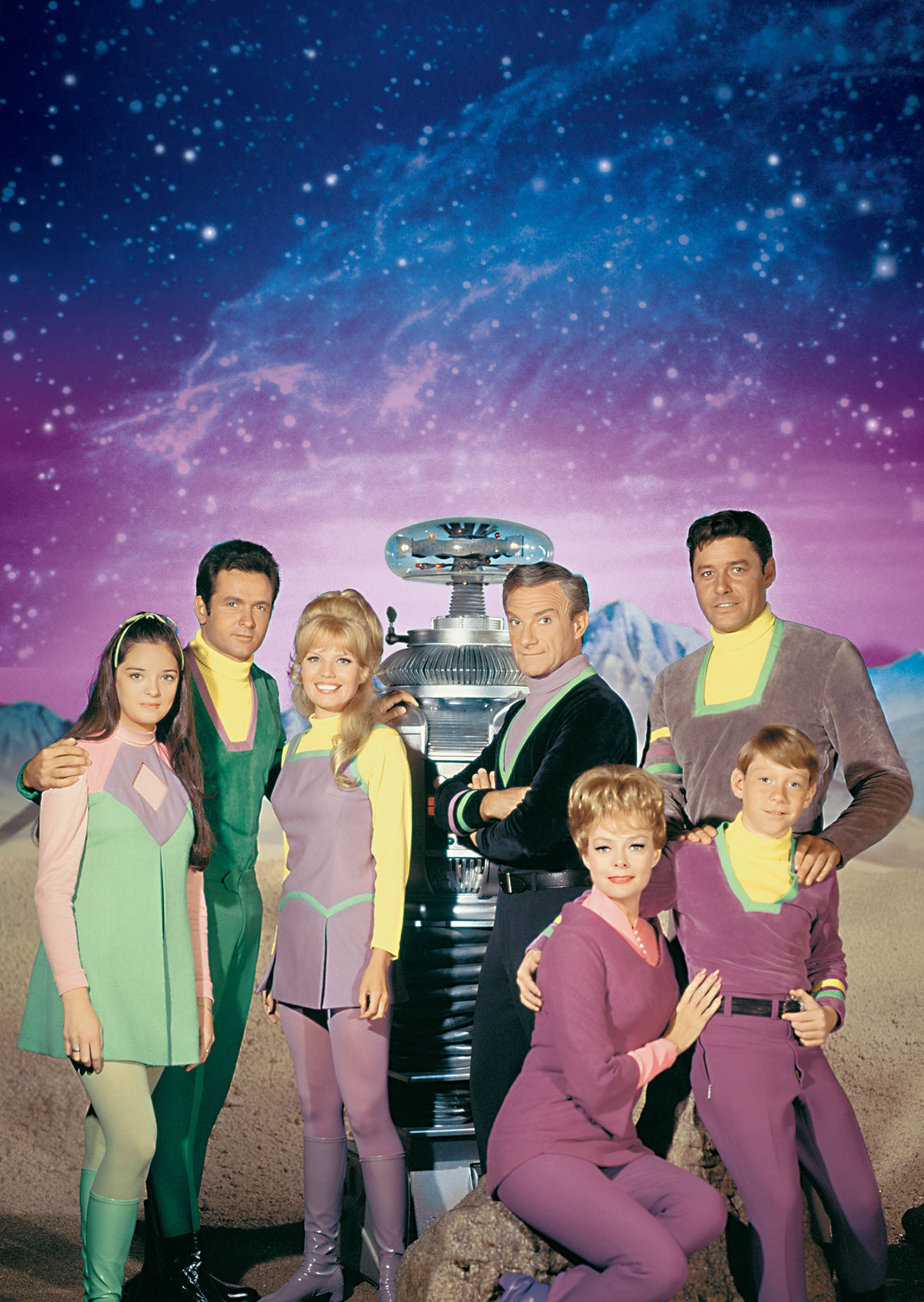
Here is the part that still puzzles viewers who watch the reruns. Harris was in nearly every episode for three years, yet the opening credits introduced him as a “special guest star” every single week. The reason goes back to his late arrival. By the time he signed on, the starring credits had already been promised by contract to Guy Williams, June Lockhart and the rest of the Robinson cast. Rather than fight for a place in that line, Harris negotiated to come last with the words “special guest star” in front of his name.
He knew how unusual it was. “It really doesn’t mean anything except to me,” he told Witbeck in 1965. On the set, he told another columnist that same month, “I’m referred to as ‘Himself.'” The credit stayed through all 83 episodes, right up to the last broadcast on March 6, 1968.
By then the families watching at home had made their choice clear. When Harris made a personal appearance in 1966, he told Witbeck the crowds were so big that “I was almost trampled to death with love.” The show’s secret, he added, was simple: “We give a slap, tickle and a giggle, and slip in a moral here and there.”
What Did Jonathan Harris Think Of Smith In The End?
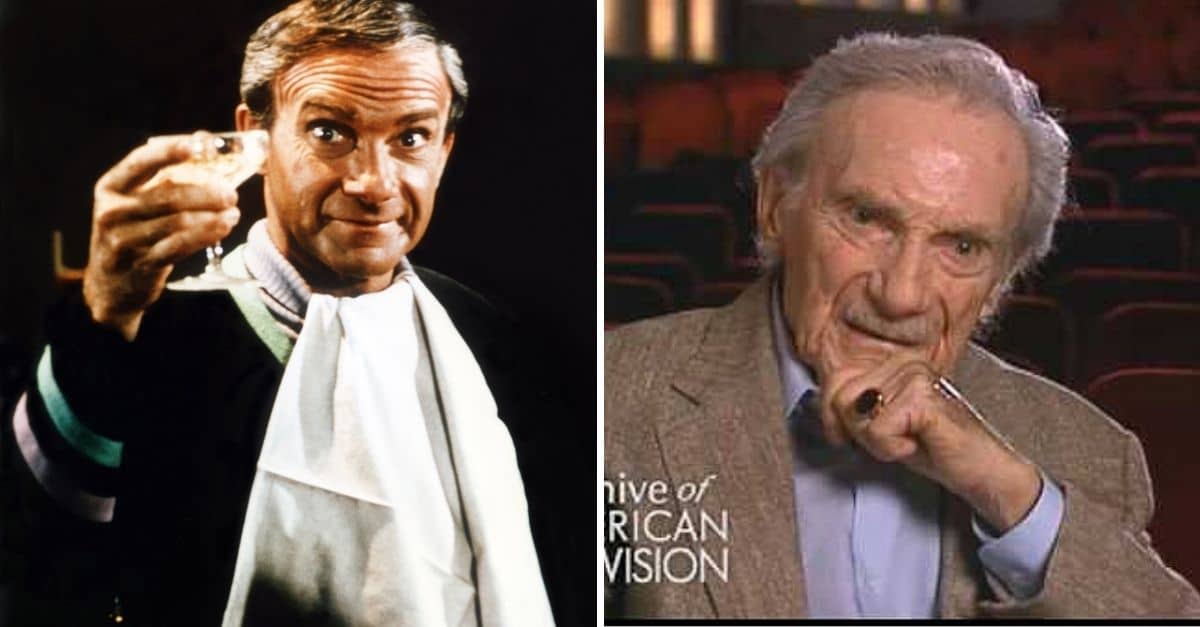
Harris never ran from the role. He spent the rest of his career trading on that wonderful voice, and a generation of kids heard him without knowing it as Manny the praying mantis in A Bug’s Life and as the fussy toy restorer in Toy Story 2. When the Lost in Space movie came along in 1998, June Lockhart, Angela Cartwright, Mark Goddard and Marta Kristen all turned up in cameos, but Harris declined. He saved his Smith for the TV special Lost in Space Forever instead.
He also stayed close to the TV family he had once been written in to torment. Angela Cartwright, who played Penny, told Den of Geek that the Robinson kids still swap his old stories whenever they get together. “Once we lost Jonathan, we continued to tell those stories that he told every time we were together,” she said. You can catch up on where the rest of the cast ended up in our look at the surviving ‘Lost in Space’ stars.
Harris died on November 3, 2002, in Encino, California, three days short of his 88th birthday, the Associated Press reported, and The New York Times gave the cause as a blood clot. A year earlier he had sat down with the Television Academy Foundation to talk through the whole adventure, from the day Irwin Allen hired him to the moment he decided to make the villain funny. The man who was supposed to be a short stop on the way to somewhere else summed it up in one sentence. “I’m so grateful for Lost in Space,” he said, “you have no idea.”

 Tony Bennett’s 4 Kids Are All Grown Up, Including The Son Who Heard His Last Words