

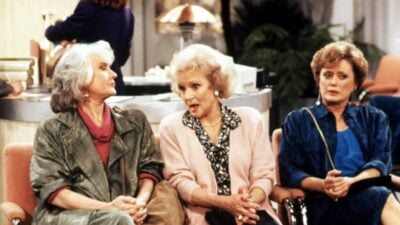
In the spring of 1992, three of the four women on Richmond Street were ready to keep going. Betty White, Rue McClanahan and Estelle Getty all wanted an eighth season of The Golden Girls, and NBC was still weighing what to do with a show that had anchored its Saturday nights since 1985. Bea Arthur, then 69, was the one who said no, and her answer is the reason the series ended that May.
The explanation has grown in the retelling. Some blame a feud with Betty White, some blame the jokes the writers made about Dorothy, and some assume NBC simply pulled the plug. Arthur told it herself more than once, and her words point somewhere simpler than any rumor.
How Did ‘The Golden Girls’ Come To An End?
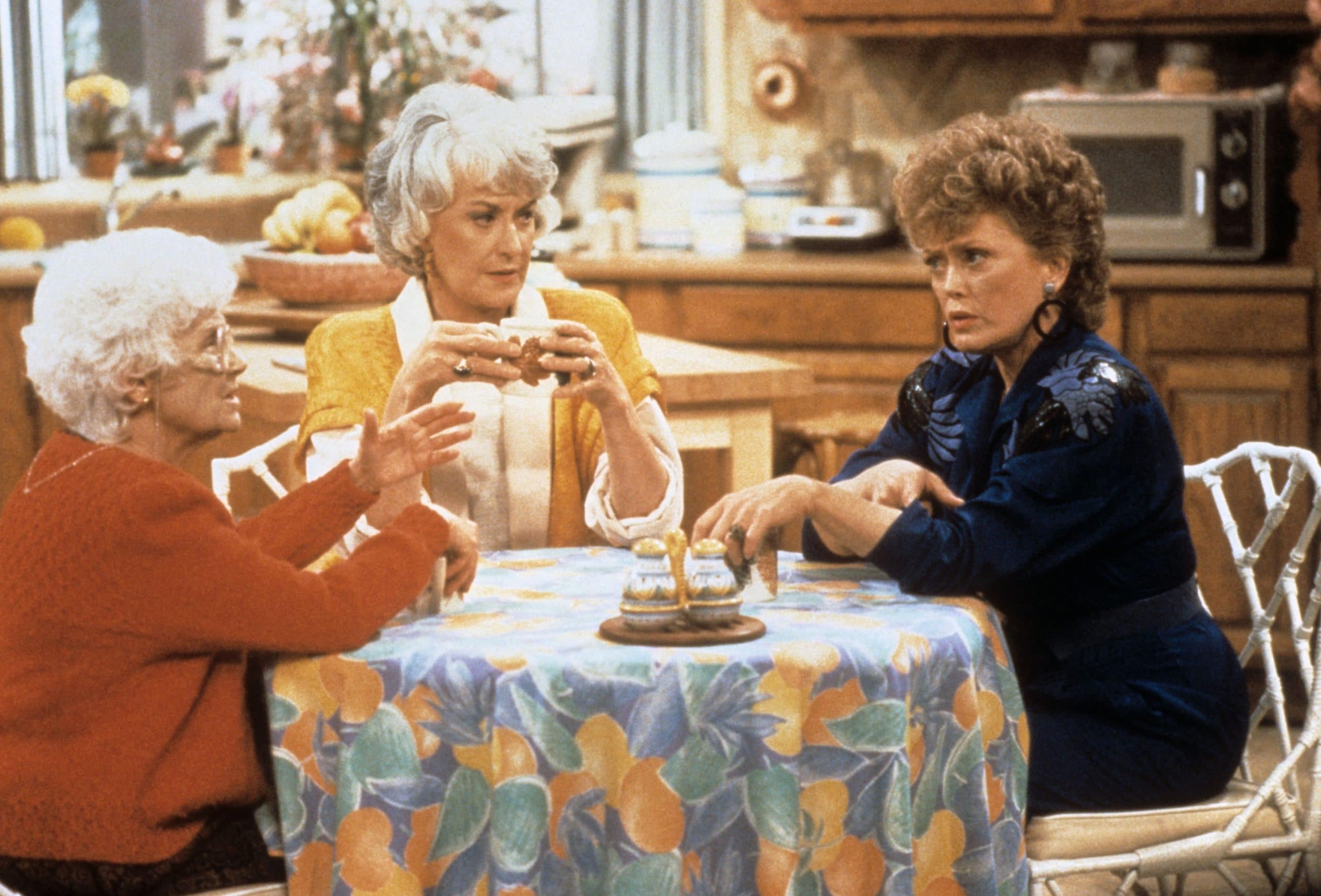
The show’s last season started with a stumble. For six years The Golden Girls had aired at 9 p.m. on Saturdays, and in the fall of 1991 NBC moved it an hour earlier. The Los Angeles Times called the switch “ill-advised” in April 1992 and reported that ratings “dropped immediately,” and for the first time the show slipped out of the top ten.
That same Times column, by Rick Du Brow, laid out the new plan in plain terms. “Arthur has quit,” it said, but White, McClanahan and Getty would return as Rose, Blanche and Sophia, now running a Miami hotel in a new series called The Golden Palace. Getty, who played Arthur’s mother, said her TV daughter “was determined” not to come back, and she passed along the reason Arthur had given her. “She said, ‘I’ve been in that little box for 20 years,'” Getty told the paper.
“The woman’s a comic genius,” Getty added. “It’s sure going to be tough without her.” Fans have argued ever since about whether something else was going on behind the scenes.
Was It Really About Betty White?
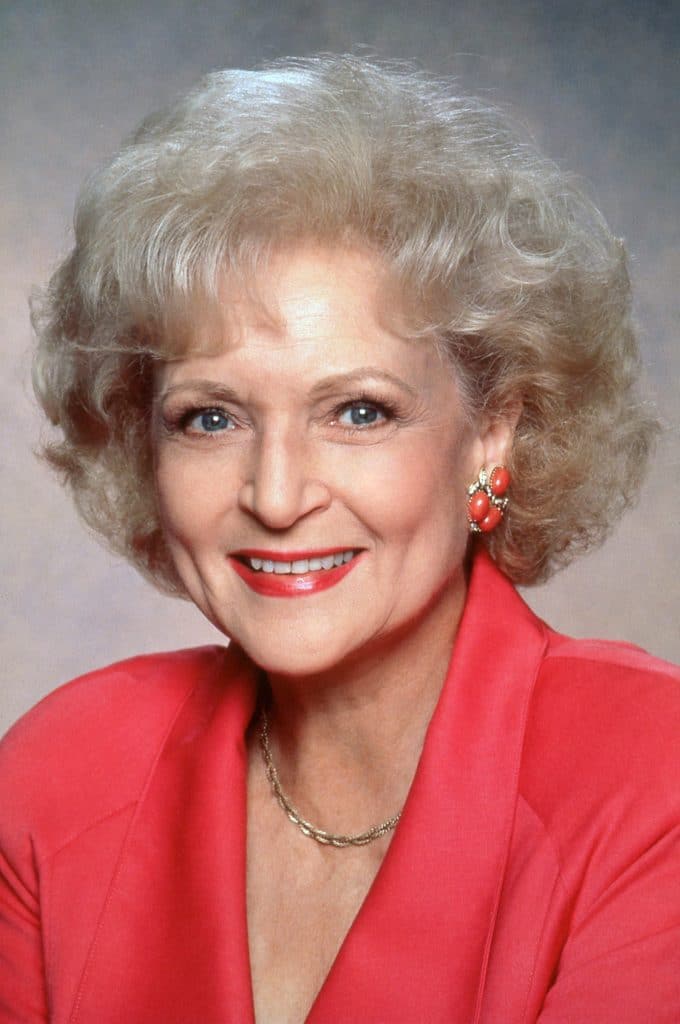
The feud story is the one that refuses to die. In June 2025, at a 40th-anniversary panel in Hollywood covered by The Hollywood Reporter and TODAY, co-producer Marsha Posner Williams said Arthur complained about White off camera in very salty language. When contracts came up after season seven, Williams said, Arthur’s answer was an unprintable “no,” and “that’s why that show didn’t continue.” Williams also said that once the cameras rolled, “there were no more professional people than those women.”
Jim Colucci, author of Golden Girls Forever, told Fox News in 2016 that Arthur was hurt by “Dorothy bashing,” the steady jokes about Dorothy being big and unattractive, and that “by the start of the 7th season, Bea made it very clear that she was done.”
Both accounts come from people who were there, but neither is Arthur talking. The lore gets two plain facts wrong as well. NBC never canceled the show out from under its stars, since the plan was a spinoff for the other three, and Arthur did not turn her back on the sequel entirely.
How Did Dorothy Say Goodbye?
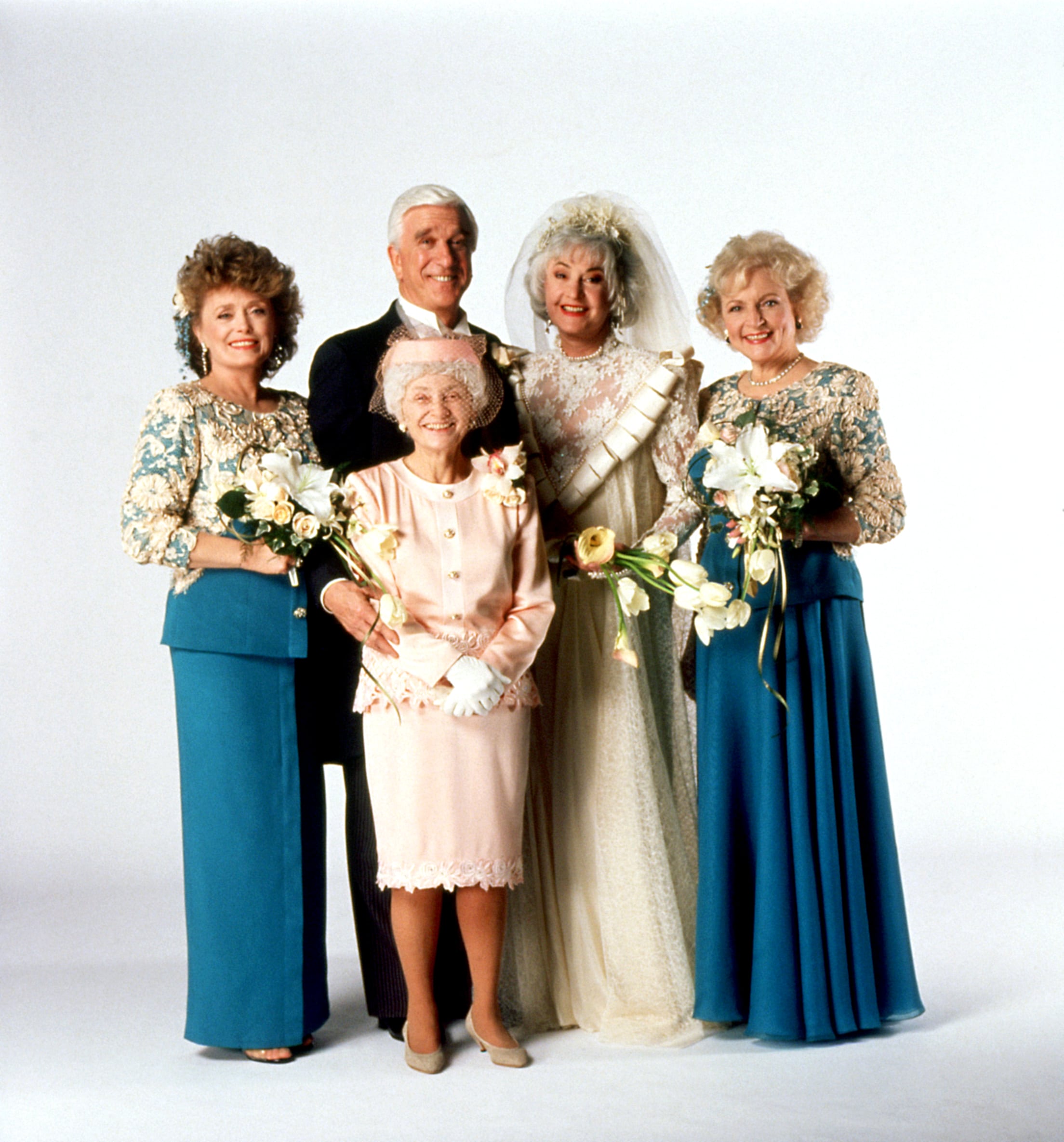
The finale, the two-part “One Flew Out of the Cuckoo’s Nest,” aired May 9, 1992. Dorothy finally got the happy ending she never had with Stan, marrying Blanche’s Uncle Lucas, played by Leslie Nielsen, and moving to Atlanta. Mitchell Hurwitz, a writer and producer on the final seasons who later created Arrested Development, told TODAY in 2022 that it was taped twice that Friday, before two audiences. In the last scene Dorothy walks out, then comes back “one more time, presumably having scaled the lanai wall,” he said. “It really kind of mirrored reality. I remember there were a lot of goodbyes said that week.”
NBC offered The Golden Palace only 13 episodes, the Deseret News reported in March 1992, so the producers took it to CBS, which promised a full season. It premiered Sept. 18, 1992, and Arthur came back as Dorothy for a two-part story, “Seems Like Old Times,” which aired Oct. 30 and Nov. 6, 1992, and was her last turn in the role. The Golden Palace ran 24 episodes before CBS canceled it in May 1993. You can see where every star of both shows ended up in our look at the Golden Girls and Golden Palace casts.
What Did Bea Arthur Say About Leaving?
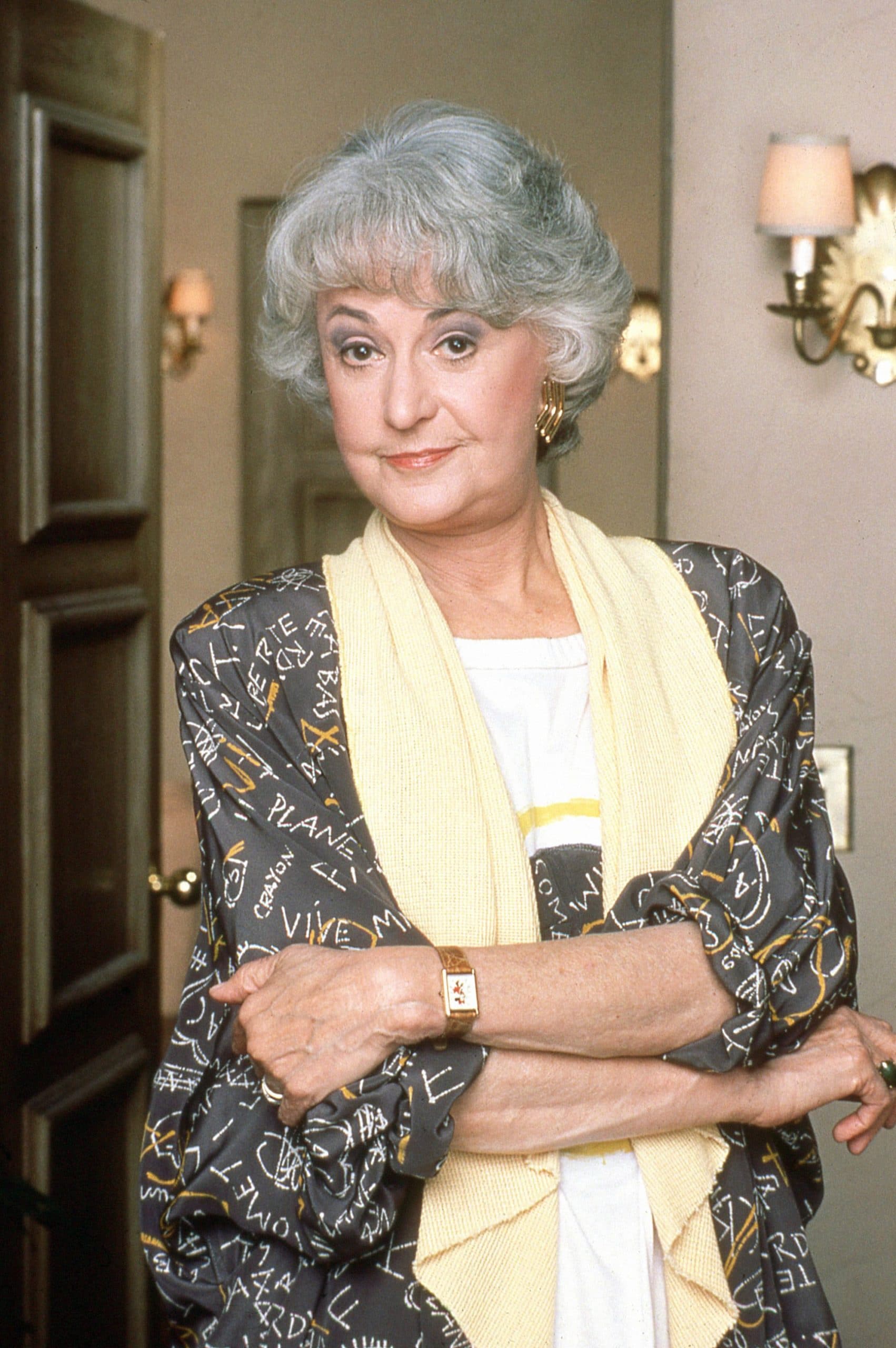
The phrase Getty quoted in 1992 kept coming back whenever Arthur was asked. Maude began in 1972, and by the time Dorothy left for Atlanta, Arthur had spent two decades on weekly television. “I just felt that the majority of my life had been spent in that little box,” she told Playbill in 2002, when she opened her one-woman Broadway show. “It’s enough, it’s enough.”
She also explained it in creative terms. In the 2002 E! special TV Tales, she described the feeling at the end of season seven this way: “I thought, we’ve hit it, we’ve really done it. And why hang on… just to keep it running and to go over the same stuff again? It’s never going to be as rewarding.”
Betty White, the co-star at the center of all those feud stories, gave much the same answer. “That’s why Bea left ‘Golden Girls,'” she told the Los Angeles Times in 1993. “She didn’t want to do it anymore. It had stopped being fun for her.” In the same interview she mentioned running into Arthur at Vicente Foods, the market they both used, and said she had knitted her an afghan.
Arthur, a World War II Marine who kept that chapter quiet for years, went back to the stage as promised and died on April 25, 2009, at 86. For all her certainty, Hurwitz never believed the goodbye came easily. “I think Dorothy didn’t want to leave and I think Bea Arthur didn’t really want to leave,” Hurwitz said. She was moved by the last episode, he said. “And she wrote me this lovely note about it.” “And that was really a privilege.”




 74-Year-Old Jonathan Frakes Reveals Private Cancer Battle, And It Started With One Scary Morning At A Convention