

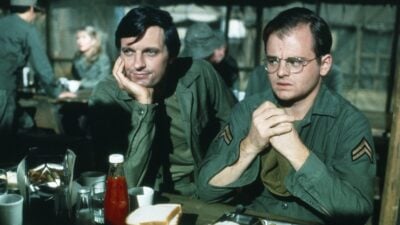
When CBS turned Robert Altman’s 1970 film M*A*S*H into a weekly series in 1972, almost every face in the 4077th changed. Donald Sutherland’s Hawkeye became Alan Alda, Elliott Gould’s Trapper became Wayne Rogers, and Sally Kellerman’s Hot Lips became Loretta Swit. Of the film’s main cast, only one actor made the trip to television in the same part, and that was Gary Burghoff, the Bristol, Connecticut, native who had been playing Charlie Brown off-Broadway before Altman cast him as the company clerk who could hear the choppers before anyone else.
That makes his exit stand out from the show’s other famous departures. Burghoff, now 83, had spent most of a decade as Walter “Radar” O’Reilly when he stepped away after the 1978 to 1979 season, and unlike McLean Stevenson’s Henry Blake, Radar got to go home. The reason Burghoff gave over the years had nothing to do with a raise.
How Did Playing Radar Wear Down Gary Burghoff?
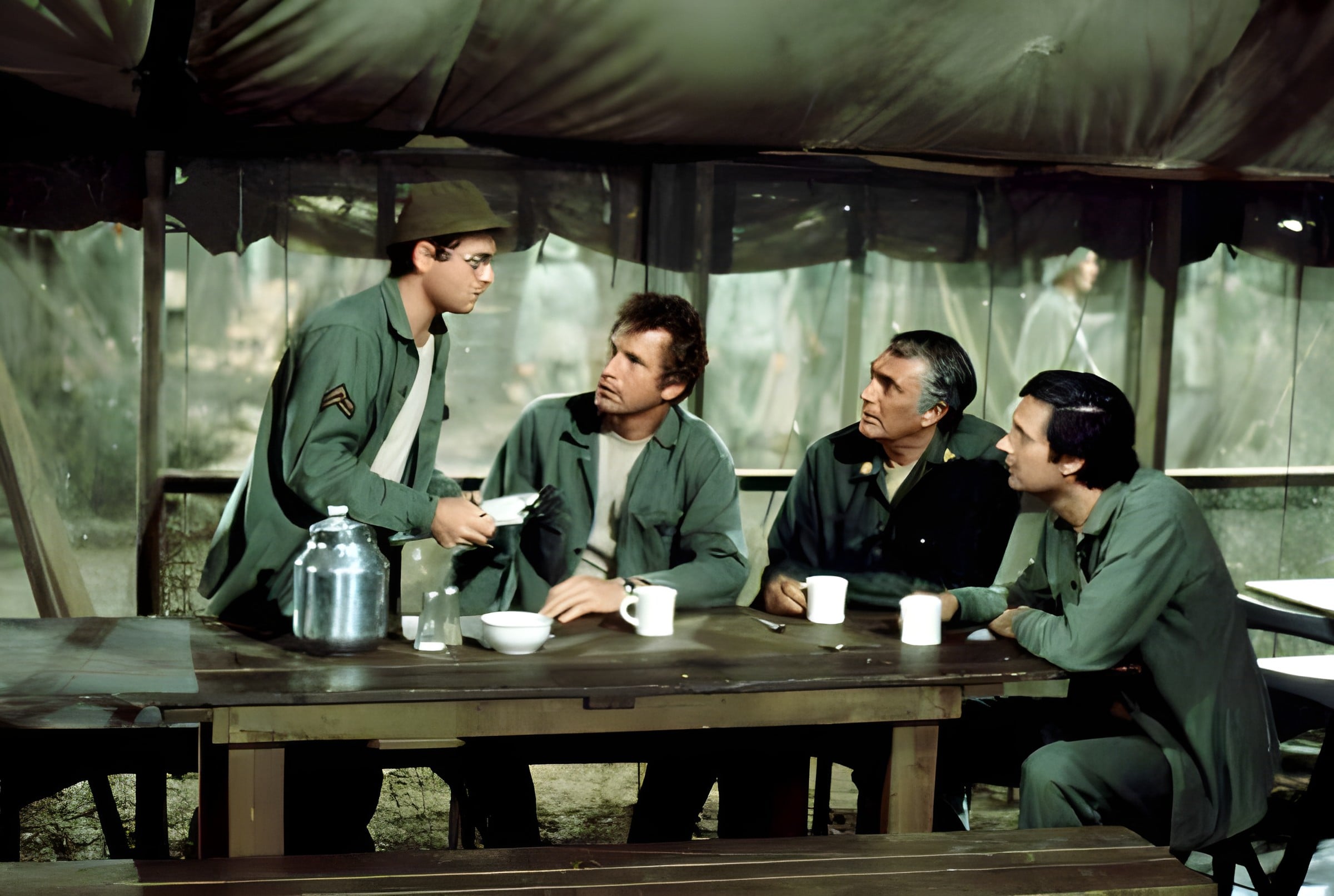
The work itself was the first problem. Burghoff described the long days on the Fox lot as a slow grind that left him with nothing in reserve. “I was a case of occupational burnout,” he told the Logansport Pharos-Tribune in 1984. “I left M*A*S*H because I couldn’t function anymore.” Two years earlier he had put it even more bluntly to the Courier-Daily, calling himself “burned out… overloaded… tired… irritable.”
The strain showed on the call sheet before it showed on screen. Burghoff wrote in Suzy Kalter’s 1984 The Complete Book of M*A*S*H that after the first three years he was in fewer shows “because of the strain on my family life,” and by season six Radar was missing from 10 of the 25 episodes. People behind the camera noticed too. Director Charles S. Dubin, who died in 2011 at 92, told the Television Academy Foundation that “he was having trouble with his wife at the time,” and producer Burt Metcalfe, who died in 2022 at 87, recalled that Burghoff struggled with sleep and with making his early calls. Burghoff had married Janet Gayle in 1971, the year before the series began, and the couple divorced in 1979, the same year he walked away.
Still, CBS was not about to let Radar simply vanish between seasons, and the goodbye it planned turned into something bigger.
What Happened In “Good-Bye, Radar”?
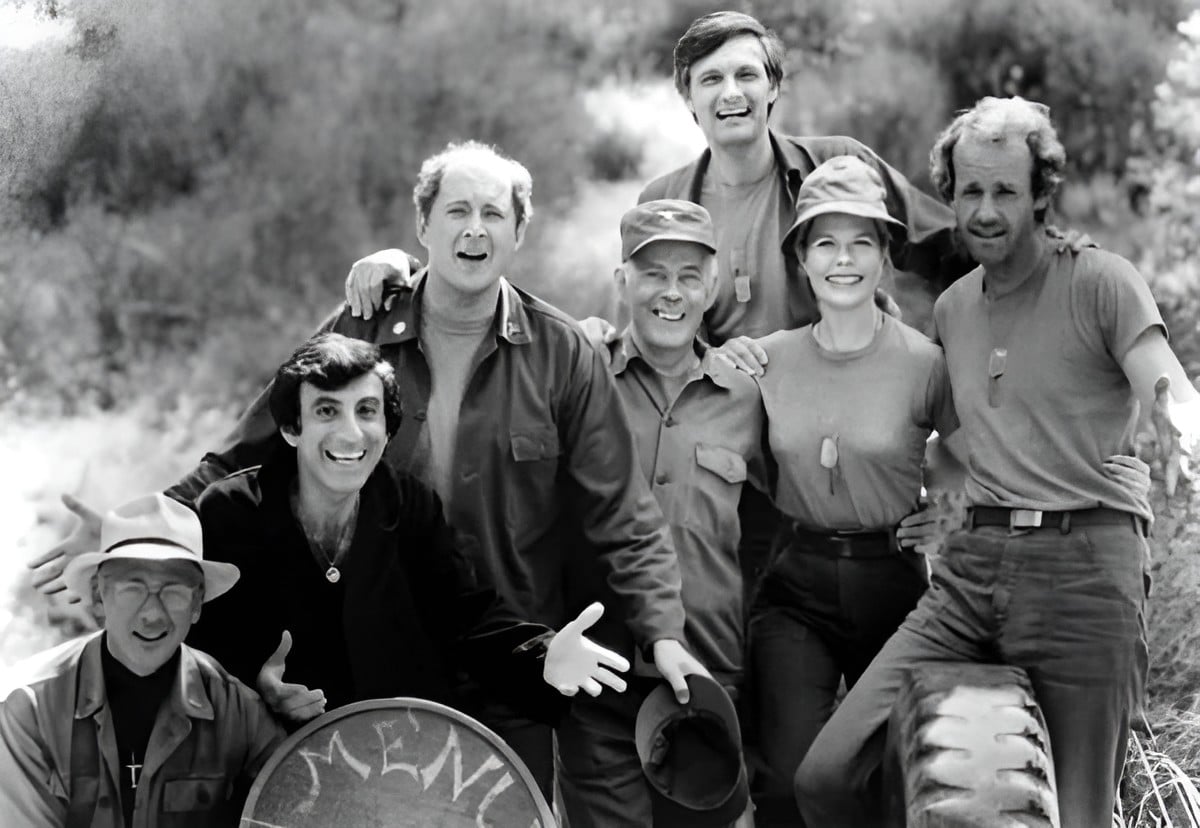
Radar’s farewell was first meant to close season seven. The network asked for it to be expanded into a two-parter and held for the fall, so Burghoff came back to shoot it, and “Good-Bye, Radar” aired on October 8 and October 15, 1979, early in season eight. Ken Levine and David Isaacs wrote both halves, and the script earned them Emmy and Writers Guild nominations.
In the story, Radar learns that his Uncle Ed has died, which makes him eligible for a hardship discharge to help his mother run the farm in Ottumwa, Iowa. He nearly turns it down because the camp’s generator has failed and he can’t stand to leave the doctors in a lurch. He also gets a brief romance with a nurse, Lt. Patty Haven, played by Marilyn Jones in her first TV role. When Radar finally goes, Harry Morgan’s Colonel Potter is in tears, and the teddy bear Radar always kept close stays behind for Alan Alda’s Hawkeye.
Burghoff’s own goodbye took two tries. He told the 2024 Fox special M*A*S*H: The Comedy That Changed Television that he planned to let Radar break down completely, thinking, “what a wonderful moment, I can cry my eyes out,” even though the director urged him to fight the tears. Then he saw the dailies. “It’s awful. I mean, it is just terrible,” he told Entertainment Weekly, admitting “the director was right, I was wrong” and asking to shoot it again.
Did Radar Ever Come Back?
He did, briefly, five years later. Burghoff appeared as Radar in two 1984 episodes of AfterMASH, the spinoff that followed Potter, Klinger and Father Mulcahy to a veterans hospital in Missouri. That July, CBS aired his own pilot, W*A*L*T*E*R, in which Walter O’Reilly has lost the farm and his new wife and becomes a rookie police officer in St. Louis, with Ray Buktenica as his cousin and a young Victoria Jackson as the drugstore clerk who saves him. It ran once, on July 17, 1984, and viewers on the West Coast never saw it because coverage of the Democratic National Convention preempted it. CBS did not order a series.
Burghoff’s later life went in directions nobody at the 4077th would have guessed. He became a self-taught wildlife painter, and in 1992 he received a U.S. patent for a floating fish attractor that he sold as the Chum Magic, a device that leaks chum into the water to draw fish toward a boat. He told his side of the M*A*S*H years in a 2009 memoir, To M*A*S*H and Back, and came out of retirement in 2010 for the film Daniel’s Lot. Through all of it, the question fans kept asking was why he gave up one of the best parts on television.
Money Had Nothing To Do With Radar’s Exit
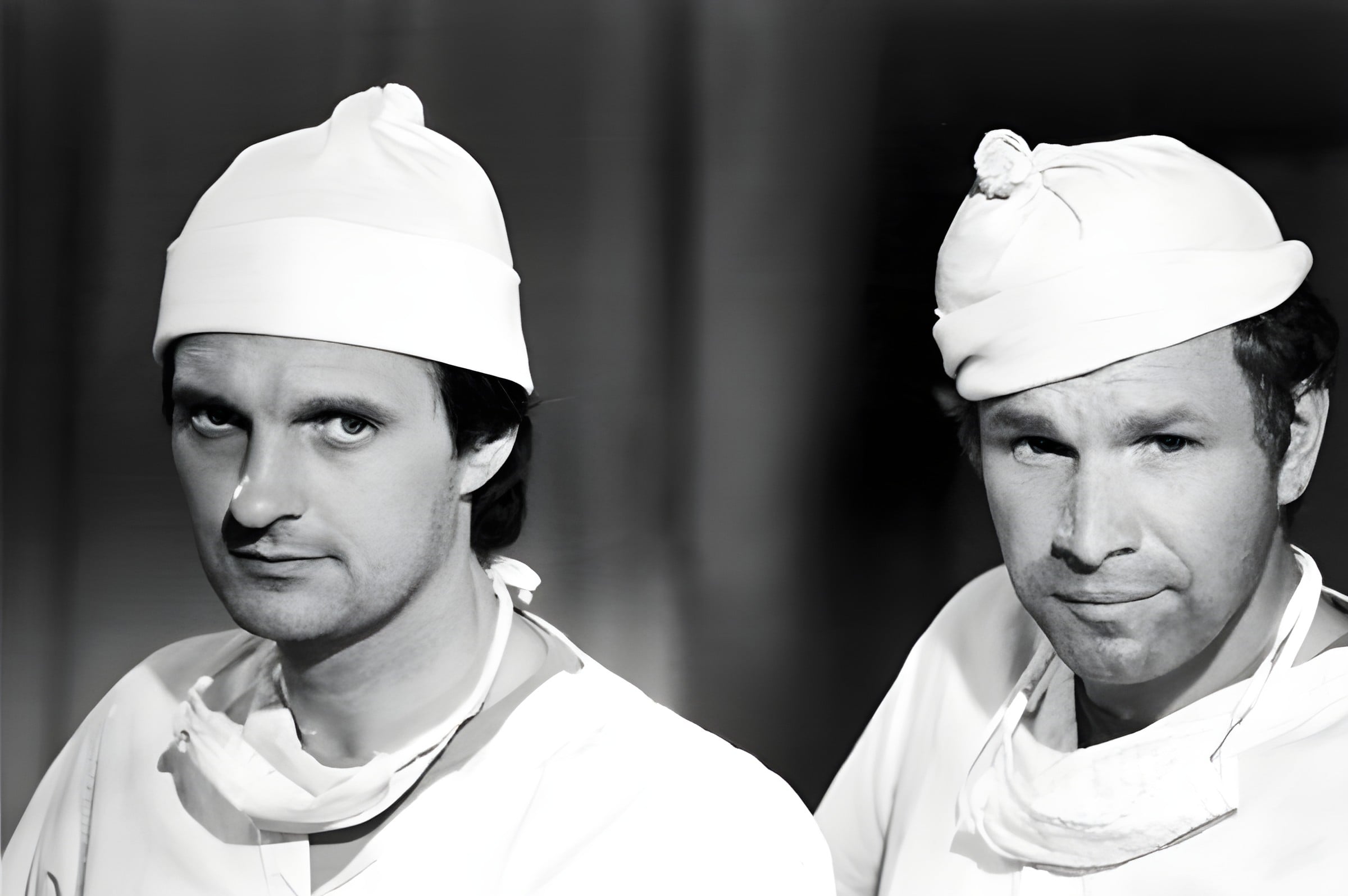
Burghoff has always pushed back on the idea that he quit. “I didn’t leave the show,” he said in the 2024 Fox special. “I had a seven-year contract. I just didn’t renegotiate because I was stepping back from everything.” He could have asked for more, and he knew it. “I didn’t leave M*A*S*H a wealthy man,” he told People. “I could have renegotiated my contract, but money wasn’t the most important thing in my life.”
What mattered more was the daughter he had barely seen during those long seasons. “I was not available as a father because of my work,” he said in a 2006 interview with Ontario radio station JOY 1250, and he called family “the most important thing.” After M*A*S*H, he told People, “I wanted to pick the number of weeks I’d work and spend the rest of the time with my family.” He married Elisabeth Bostrom in 1985 and raised two sons with her, along with his daughter from his first marriage.
“You either want to be rich and famous, or you want to be a daddy. You can’t do both.”

 Carol Burnett’s Daughters Are All Grown Up, And One Of Them Topped The Dance Charts