

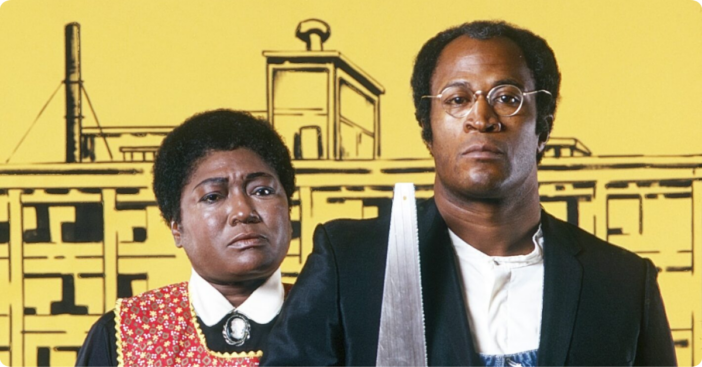
For many television fans, James Evans was the heart of Good Times. Played by the late John Amos, the hardworking father brought warmth, strength, and stability to one of the most beloved sitcom families of the 1970s. That made his sudden departure after just three seasons all the more shocking.
According to Remind, many viewers have long wondered why John Amos Good Times became one of television’s most talked-about behind-the-scenes stories. The answer lies in creative disagreements that changed the direction of the series forever.
Creative Differences Led To His Departure
When Good Times first began, Esther Rolle insisted that Florida Evans should not raise her children alone. She wanted John Amos, who had played her husband on Maude, to return as James Evans. Their chemistry helped establish the show’s strong family dynamic and quickly won over audiences.
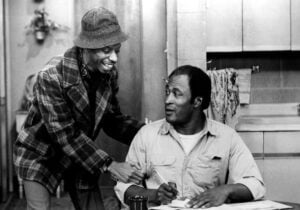
As the series gained popularity, however, Jimmie Walker’s character, J.J., became its breakout star thanks to his famous “Dy-no-mite!” catchphrase. Amos believed the writers increasingly turned J.J. into a broad caricature, shifting attention away from the realistic family stories that originally defined the sitcom. He openly voiced his concerns, creating tension behind the scenes.
The Show Changed After James Evans Left
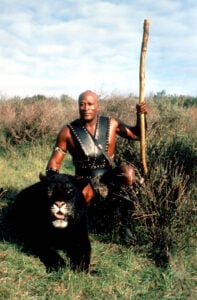
During the break following Season 3, producer Norman Lear informed Amos that although Good Times would continue, he would not return for another season. The decision ended his time on the series and permanently changed its direction. Writers explained James Evans’ absence by revealing that he had died offscreen, making Florida Evans a widowed mother raising her children alone. Many longtime fans felt the show lost an important part of its emotional foundation after his departure.
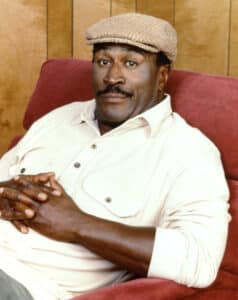
Looking back, John Amos Good Times remains one of television’s most memorable casting changes. Amos later acknowledged that his outspoken criticism contributed to his dismissal, but many viewers still believe his portrayal of James Evans helped make the sitcom a classic that continues to resonate decades later.