


More than five decades after its release, Don McLean continues to captivate audiences with “American Pie,” a song widely regarded as one of the greatest in American music history. While the chart-topping hit became famous for its mysterious lyrics and unforgettable chorus, the singer has gradually revealed the emotional experiences that shaped its creation.
According to Guitar Player, rather than offering a straightforward story, McLean crafted the song as a reflection on cultural change, personal grief, and the loss of innocence. Over the years, he has shared that the lyrics grew from a profound feeling that America had changed forever, making the song just as meaningful today as it was when it debuted in 1971.
A personal tragedy behind an enduring anthem
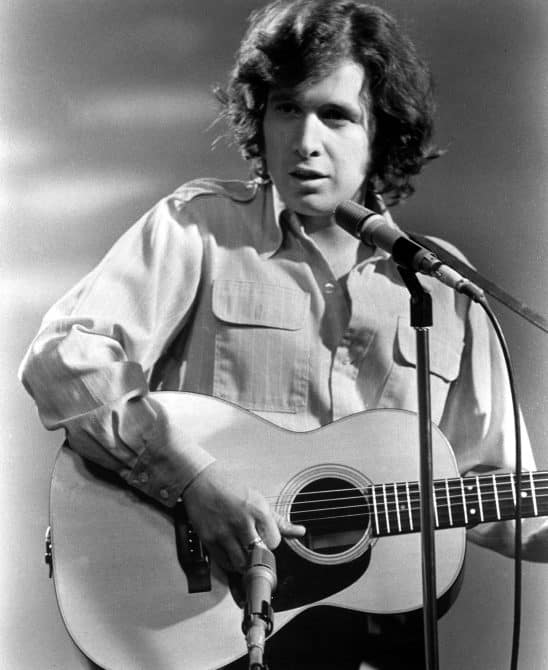
For many years, Don McLean avoided explaining the meaning behind “American Pie,” allowing listeners to interpret its lyrics for themselves. However, he has since acknowledged that the song was deeply influenced by the 1959 plane crash that claimed the lives of Buddy Holly, Ritchie Valens, and J.P. “The Big Bopper” Richardson. The tragedy, often remembered as “The Day the Music Died,” marked a turning point in rock and roll history and left a lasting impression on McLean.

The singer has also spoken candidly about the emotional weight he carried while writing the song. In later interviews, he admitted that he blamed himself for years following the death of someone close to him and struggled with overwhelming grief. He described that period as one of deep heartbreak, saying he cried for nearly two years before finding a way to move forward. Those emotions ultimately found their way into the lyrics of “American Pie.”
Why the song still resonates today

Although many fans continue searching for hidden meanings in every verse, McLean has often described “American Pie” as a morality tale about a nation that lost something precious during the social and cultural upheaval of the 1960s. He believes the song reflects a growing sense that life had become less romantic and less idealistic than it once was.

Today, Don McLean still performs the iconic hit for audiences around the world, and it remains the defining song of his career. Its lasting popularity proves that deeply personal experiences can create timeless art, allowing generations of listeners to connect with themes of loss, hope, and change long after the music first filled the air.