

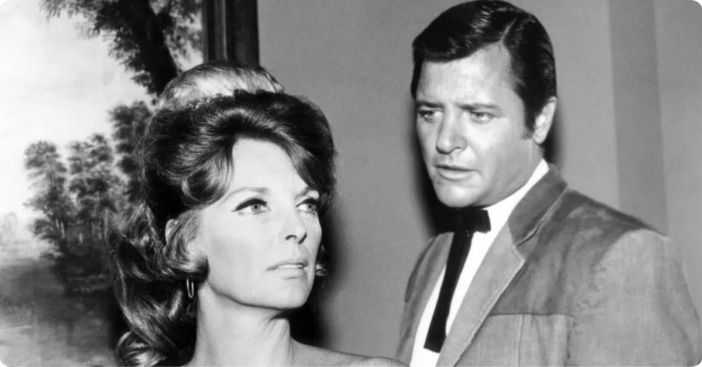
Richard Long remains one of those classic television stars whose presence still feels unforgettable decades after his passing. With his calm charm, intelligence, and effortless screen presence, he became a familiar face to audiences through beloved series such as The Big Valley and Nanny and the Professor. Yet behind the polished Hollywood image was a deeply complicated life filled with personal struggles, health problems, and emotional hardships that many fans never fully saw.
Though he appeared confident and dependable on screen, Long’s life off camera was marked by ongoing battles that eventually led to his death at just 47 years old. His story remains one of both remarkable success and heartbreaking fragility beneath the surface of television fame.
Richard Long’s Acting Career Began Almost By Accident
Born in Chicago in 1927, Richard Long never originally planned to become an actor. After his family relocated to California during his teenage years, he enrolled in a high school drama class simply because he needed credits to satisfy an English requirement. What began as a casual classroom decision unexpectedly changed the direction of his entire life.
According to reports highlighted by Woman’s World, a member of a Hollywood casting department discovered Long after hearing about a school performance that had impressed local drama teachers. Soon afterward, he auditioned for the film Tomorrow Is Forever and quickly landed a studio contract, launching a Hollywood career that would span decades across film and television.
Fame Could Not Protect Him From Personal Struggles
As his career grew, Richard Long became especially beloved for portraying Jarrod Barkley in The Big Valley, where audiences admired his sophisticated and thoughtful character. He later introduced himself to a new generation of viewers as Professor Harold Everett in the family sitcom Nanny and the Professor, further cementing his place in television history. Despite his success, Long reportedly faced ongoing health challenges and personal frustrations throughout his life. Behind the scenes, he struggled with difficult relationships and medical issues that slowly took a serious toll on his body over the years.
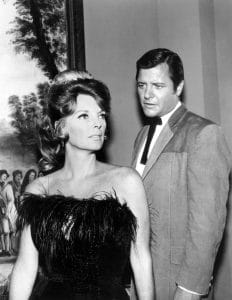
Fans who revisit his performances today often remember how naturally charismatic he appeared on screen, making it difficult to imagine the private pain he carried away from the cameras. His early death shocked many admirers who had come to associate him with strength, intelligence, and steady television comfort during the golden age of classic TV. Even now, Long’s legacy continues to live on through the timeless series that introduced him to millions of viewers. His performances remain a reminder of an era when television stars quietly became part of audiences’ everyday lives, leaving behind memories that never fully disappear.