

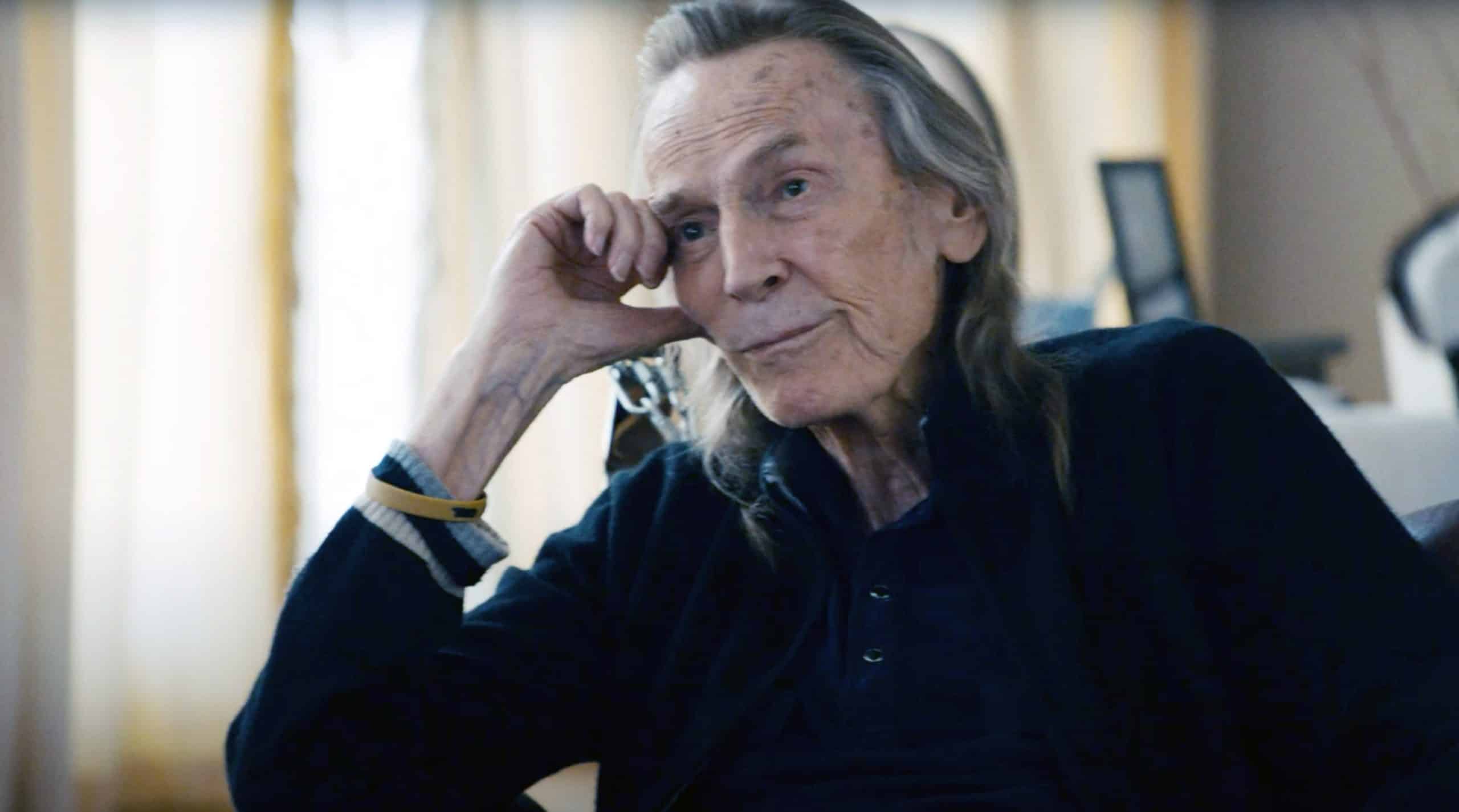
Gordon Lightfoot was born on November 17, 1938, in Orillia, Ontario, and he would have turned 88 this Tuesday. He gave us “If You Could Read My Mind,” “Carefree Highway” and “The Wreck of the Edmund Fitzgerald,” but only one of his songs ever climbed all the way to No. 1 on the Billboard Hot 100. That was “Sundown,” the moody, slinky single Reprise released in March 1974, and for years Lightfoot said very little about who he was singing to.
The answer turned out to be a real woman, a backup singer he lived with while his first marriage was falling apart. Their romance was jealous and stormy, and it ended badly. What nobody hearing “Sundown” on the radio that summer could have guessed was where her road would lead eight years later, and whose name hers would be tied to for the rest of her life.
Who Was Gordon Lightfoot Waiting Up For In “Sundown”?
Her name was Cathy Smith, born in 1947 in Hamilton, Ontario. In the early 1970s she went to work for Lightfoot before becoming his lover. He was still married to his first wife, Brita Olaisson, and the affair carried on for roughly three years. Lightfoot’s marriage ended in 1973, the same year he cut “Sundown” at Eastern Sound in Toronto that November.
The song came together over about a week at a farmhouse he had rented as a writing retreat. He worked at his desk in the evenings, according to Far Out Magazine and Songfacts, while the sun went down over the field behind the barn.
The jealousy spilled off the page, too. Lightfoot fired his opening act, the Good Brothers, because he thought they were flirting with Smith, a story told in Far Out’s history of the song and in accounts of Smith’s life. So what did the man himself finally say about it?
What Did Lightfoot Finally Admit About The Song?
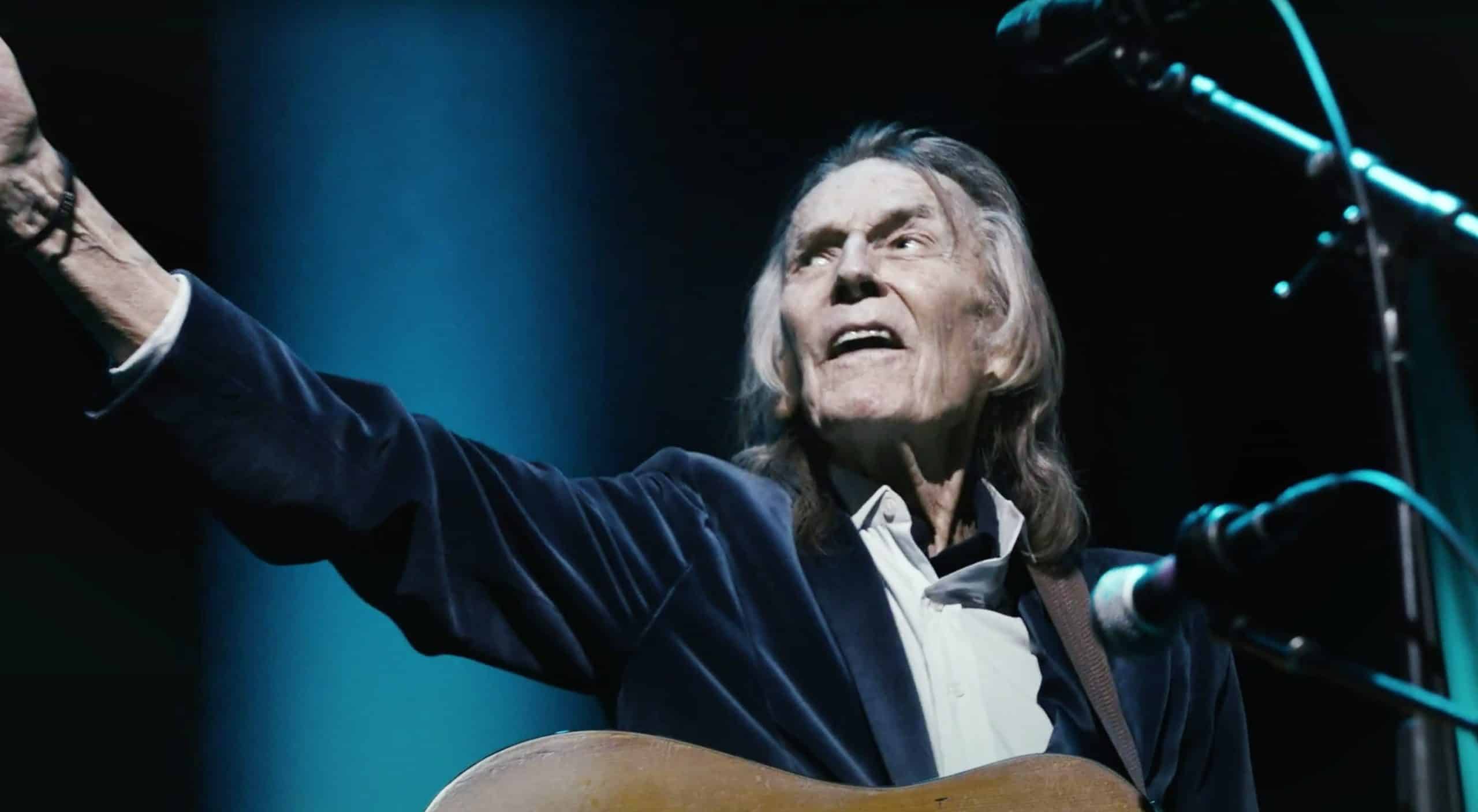
For a long time Lightfoot kept the inspiration to himself. Asked about the song decades later, he admitted it was written with his girlfriend in mind while she was out at a bar with friends. “I was hoping that no one else would get their hands on her, because she was pretty good lookin’,” he said, a line quoted by both Songfacts and Far Out Magazine.
He was less playful about the relationship itself. “I was sometimes crazy with jealousy,” he told the Toronto Sun in 1996. In the 2019 documentary Gordon Lightfoot: If You Could Read My Mind, he put it more darkly still. “It was one of those relationships where a feeling of danger comes in,” he says on camera, as Yahoo Entertainment reported when the film came out.
Smith appears in that film too, in archival footage, and she does not sound like a woman who came out of it broken. “I took off the edges what I could use, and left behind the rest, and he couldn’t hurt me,” she says. By the time the song was a hit, though, the two had already split. Lightfoot kept writing, and Smith drifted south toward Los Angeles.
How Did Gordon Lightfoot Keep Writing Hits After “Sundown”?
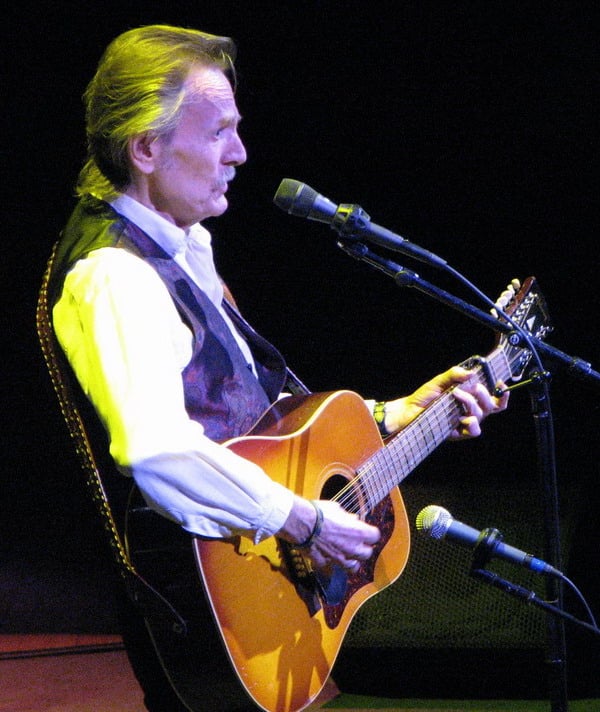
Two years later Lightfoot turned a real tragedy into a song. The freighter Edmund Fitzgerald went down in a November gale on Lake Superior in 1975 with all 29 men aboard, and his ballad about it reached No. 2 on the Hot 100 in 1976. (We told the full story of the Edmund Fitzgerald’s final day here.) He cared enough about those men to change his own words. In 2010, after a Canadian documentary argued that crew error was not to blame for the sinking, he rewrote a line that had hinted otherwise. “I’m sincerely grateful to yap films and their program The Dive Detectives for putting together compelling evidence that the tragedy was not a result of crew error,” he said in a statement reported by Newser and others.
He nearly did not live to make that change. In September 2002 he collapsed with severe stomach pain before a concert in his hometown of Orillia, and he was airlifted to Hamilton for emergency surgery on a ruptured abdominal aortic aneurysm. He spent about six weeks in a coma and went through several more operations. By 2004 he had released a new album, Harmony, and was back on stage at the Mariposa Folk Festival. His final studio album, Solo, arrived in 2020.
Lightfoot died of natural causes on May 1, 2023, at Sunnybrook Hospital in Toronto, at 84. The woman from “Sundown” did not live to see it.
Where Did Cathy Smith’s Road Lead After Lightfoot?
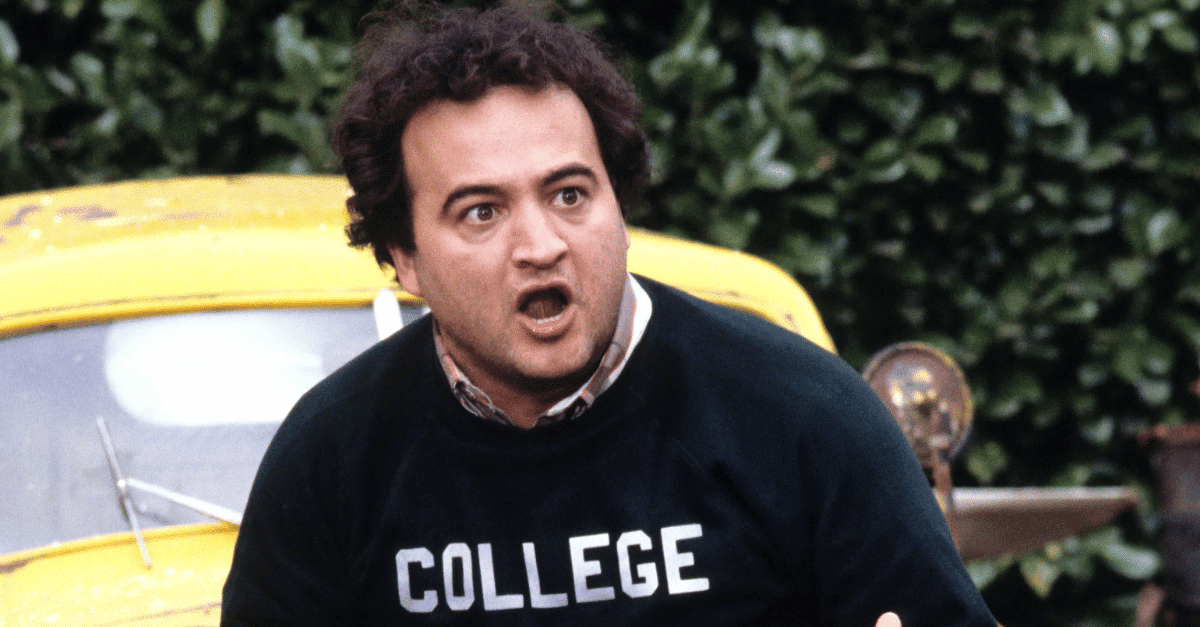
After the breakup, Smith sang backup for Hoyt Axton. In 1976 she met John Belushi on the set of Saturday Night Live when The Band were the musical guests. By the early 1980s she had a serious heroin habit of her own, and when Belushi went looking for drugs in Los Angeles in March 1982, she was the person he called.
On March 5, 1982, Belushi was found dead in his bungalow at the Chateau Marmont. He was 33. Smith had spent the previous days with him, and she admitted she had injected him with speedballs, the mix of heroin and cocaine that killed him. A few months later she sold her story to the National Enquirer, which ran it under the headline “I killed John Belushi. I didn’t mean to, but I am responsible.”
That interview reopened the case. Smith was charged, and in 1986 she pleaded no contest to involuntary manslaughter and several drug counts. She served 15 months at the California Institution for Women before being deported to Canada in 1988. Back home she worked as a legal secretary and spoke to teenagers about the dangers of drugs, and she died in August 2020, at 73, in Maple Ridge, British Columbia. Deadline’s headline that week called her the “Sundown” muse before it ever got to Belushi.