

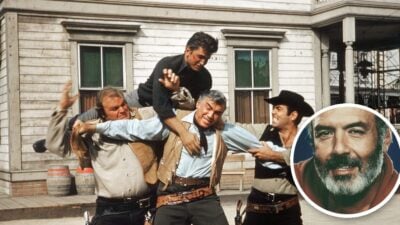
When Bonanza rode onto NBC on September 12, 1959, Pernell Roberts was the brooding, book-reading eldest son of the Ponderosa. Adam Cartwright wore black, spoke softly and was the only one of Ben’s boys who seemed to have read a law book, and for six seasons he sat at the head of the family table beside Lorne Greene, Dan Blocker and Michael Landon while the show climbed toward the top of the ratings.
Then, in the spring of 1965, he simply rode away. He finished the six-year contract he had signed, refused to sign another, and let the writers explain that Adam had “moved away.” Hollywood was certain he had thrown away a fortune. Roberts gave a few different reasons over the years, but the one that mattered most to him had very little to do with the scripts.
What Did Pernell Roberts Really Think Of Adam Cartwright?
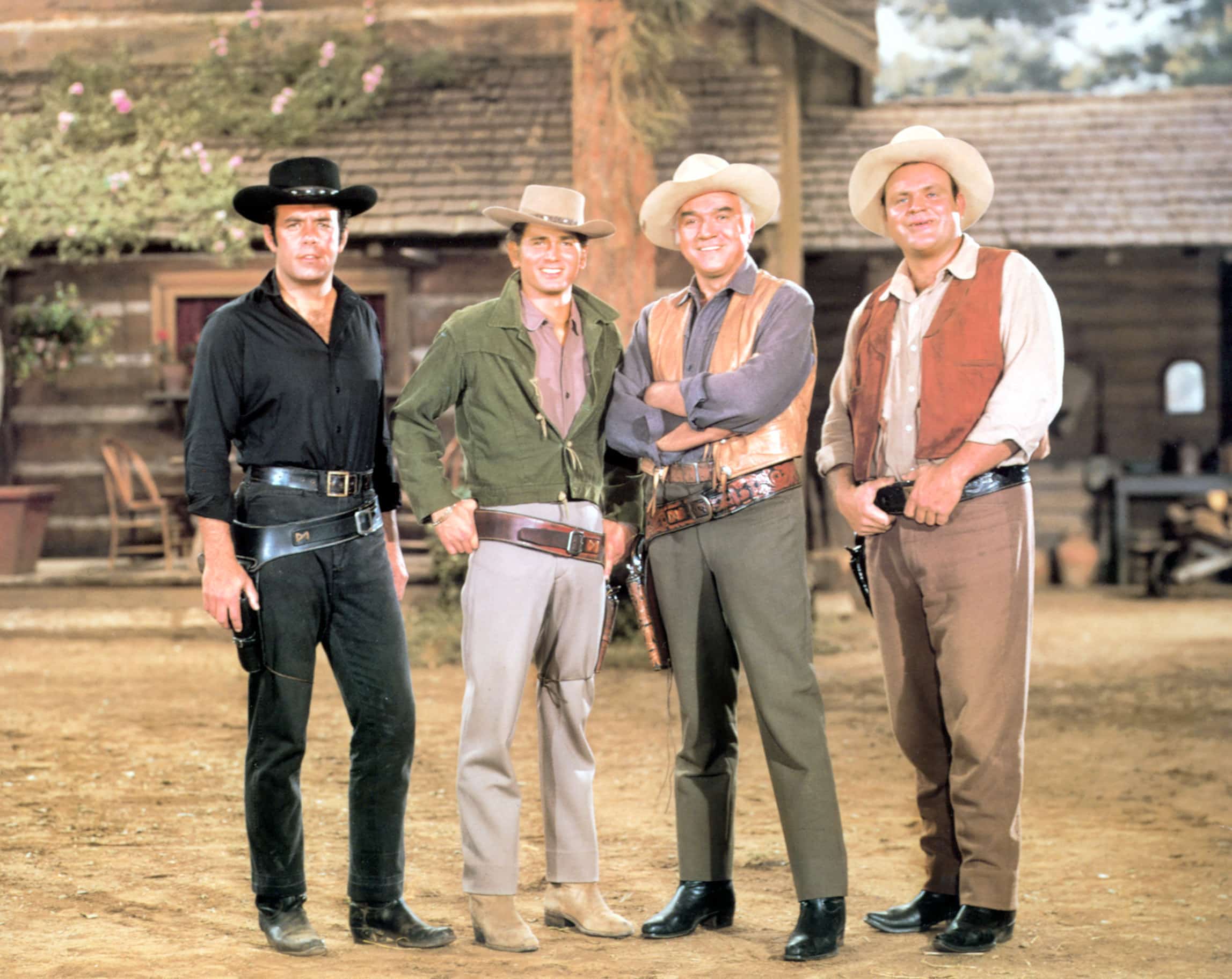
Roberts never pretended to love the part. Born May 18, 1928, in Waycross, Georgia, he had worked as a tombstone maker and a railroad riveter before he found the stage, and he won a 1956 Drama Desk Award for an off-Broadway Macbeth before Hollywood ever called. A man who had played Shakespeare in New York found it hard to spend his thirties asking a TV father for permission.
“Doesn’t it seem a bit silly for three adult males to get Father’s permission for everything they do?” he asked a reporter, in remarks the Associated Press repeated when he died. In a 1964 interview with the AP he was even more blunt about the stories themselves: “None of it ever happened.” He felt Adam was thinly written, and the more popular the show became, the less room there seemed to be for anything new.
If you watched on Sunday nights, you might never have guessed any of this. On screen, Adam was the steady one. Off screen, the actor playing him was quietly counting down the days on his contract, and he was about to give an answer that left people scratching their heads.
Was Boredom Really The Reason He Quit?

When a newspaper asked him why he had walked away from one of the biggest hits on television, Roberts did not offer a grand speech. “It was boredom, I suppose,” he told the Standard-Star, in an interview MeTV recently resurfaced. “Life is too short. Time is too precious.”
His other complaints were sharper. According to The New York Times obituary, he dismissed the series as “junk” television and accused NBC of “perpetuating banality and contributing to the dehumanization of the industry.” Those are hard words from a man drawing a steady paycheck, and they did not win him many friends in the network’s executive offices.
The industry’s verdict was swift. The AP noted that the general feeling in Hollywood was that he had foolishly doomed his career and turned his back on years of Bonanza money. The show ran another eight seasons without him, until 1973. Our story on when Lorne Greene thought the show should have ended shows how differently the man who played Ben saw the Ponderosa. Roberts, by every account, never looked back, which raises the question of what he did next.
What Happened To Pernell Roberts After The Ponderosa?
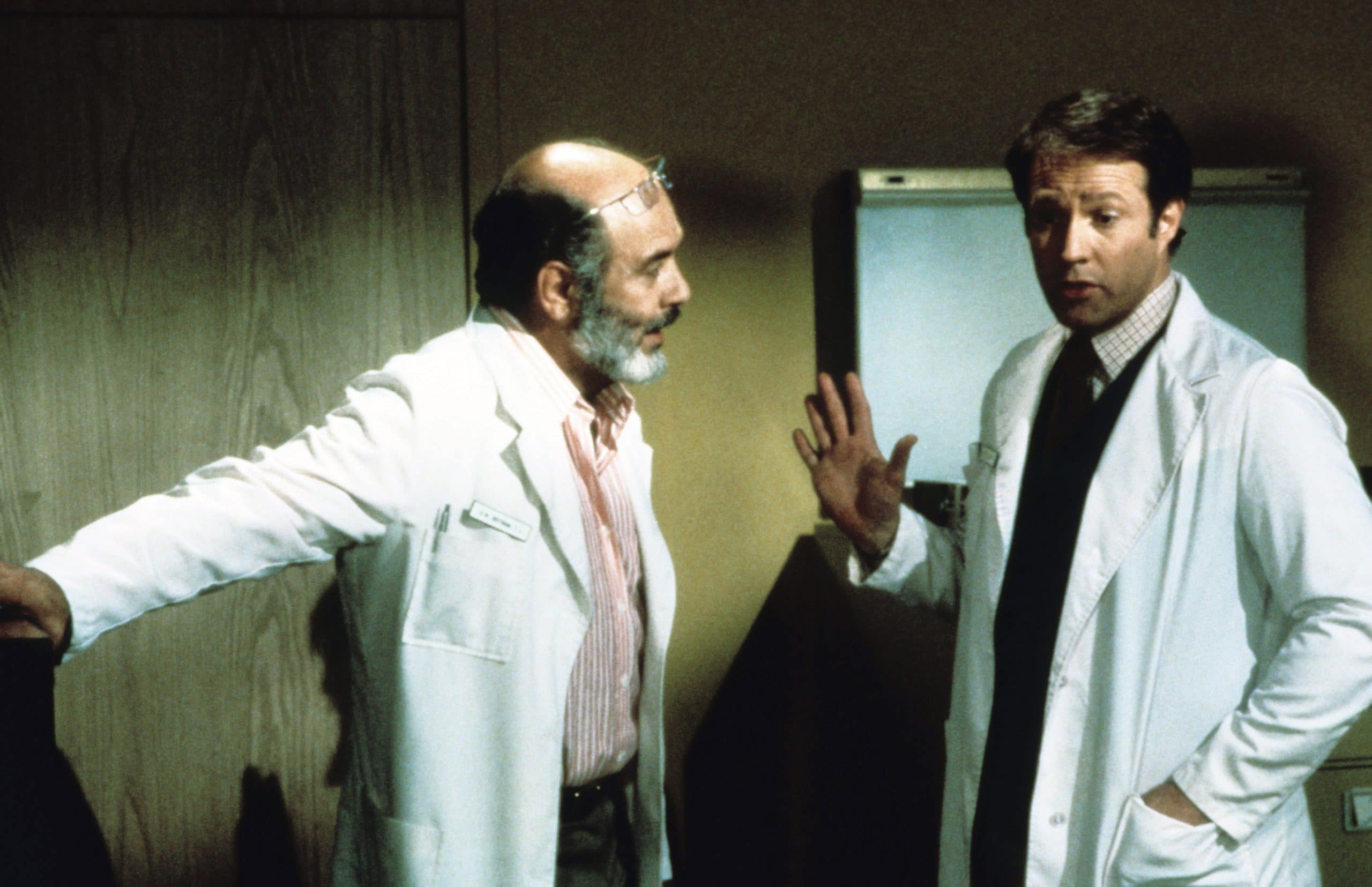
For about 14 years he worked the way character actors do. He toured in stage musicals including The King and I, Camelot and The Music Man, and he turned up as a guest on The Virginian, Hawaii Five-O, Mission: Impossible, Ironside and Mannix. He even recorded a folk album for RCA Victor, Come All Ye Fair and Tender Ladies.
Then, in 1979, the man who supposedly ruined his career got a second hit. CBS cast him as the title surgeon in Trapper John, M.D., a spinoff of the M*A*S*H character, and he played a balding, middle-aged chief of surgery at San Francisco Memorial Hospital until 1986. The role earned him an Emmy nomination in 1981. In 1980 he even shared the screen with Lorne Greene again, in two episodes of Vega$.
His later years held a private sorrow, too. His only son, Jonathan, from his first marriage to Vera Mowry, died in 1989 at 37. As his old co-stars passed one by one, Blocker in 1972, Greene in 1987 and Landon in 1991, Roberts took to calling himself “Pernell, the last one, Roberts,” according to the Times. He died of pancreatic cancer at his home in Malibu on January 24, 2010, at 81, his wife, Eleanor Criswell, told the Los Angeles Times. But the part of his story that explains 1965 best had happened off the set entirely.
The Cause He Cared About More Than A Hit Show

In March 1965, in the same season he was finishing his final Bonanza episodes, Pernell Roberts joined the Selma to Montgomery march alongside Martin Luther King Jr. in the campaign for Black voting rights, as both Reuters and CNN reported in their obituaries. It was not a publicity stunt. Back on the Bonanza set, he had been pushing for something the network was not ready to give.
According to Playbill and the statement his family released after his death, which CNN quoted, Roberts objected to the show’s lack of minority actors, its all-white crews and guest casts, and the practice of hiring white actors to play non-white roles. His protests found some support, the family said, but never enough. To Roberts, the “simple-minded” scripts and the closed door behind the camera were part of the same problem.
So yes, he was bored, and yes, he thought Adam deserved better writing. But the man who walked off the Ponderosa in 1965 had just marched in Alabama for something he believed in, and he was not willing to spend another six years pretending the world on his TV set looked like the one outside it. “Life is too short,” he had said. For Pernell Roberts, it apparently was.

 Charles Bronson Met His Future Wife While She Was Married To His ‘Great Escape’ Co-Star