

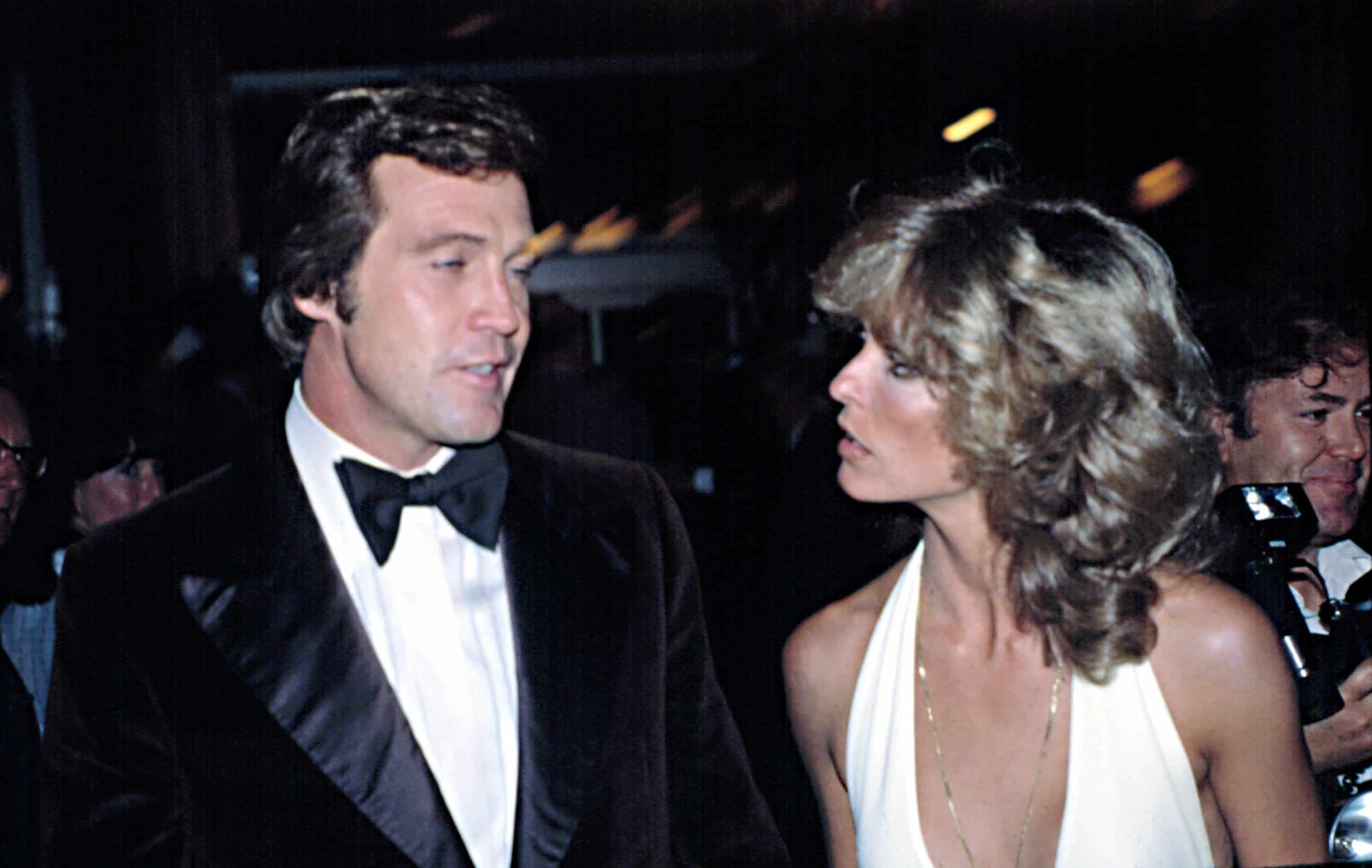
In the spring of 1977, Farrah Fawcett was the most famous face in America. Her red swimsuit poster was on bedroom walls from coast to coast, women were asking their hairdressers for her feathered hair, and Charlie’s Angels had finished its first season as one of the five most-watched shows on television. Then, just before the season finale aired on May 4, 1977, she told the producers she wasn’t coming back.
Leaving after one season was a gamble that very nearly backfired. Aaron Spelling and Leonard Goldberg had made her a star, they did not take the news quietly, and the fight that followed ended with Jill Munroe walking back through the Townsend Agency door. The deal that brought her back is the part most fans forget.
How Big Was Farrah Fawcett After One Season?
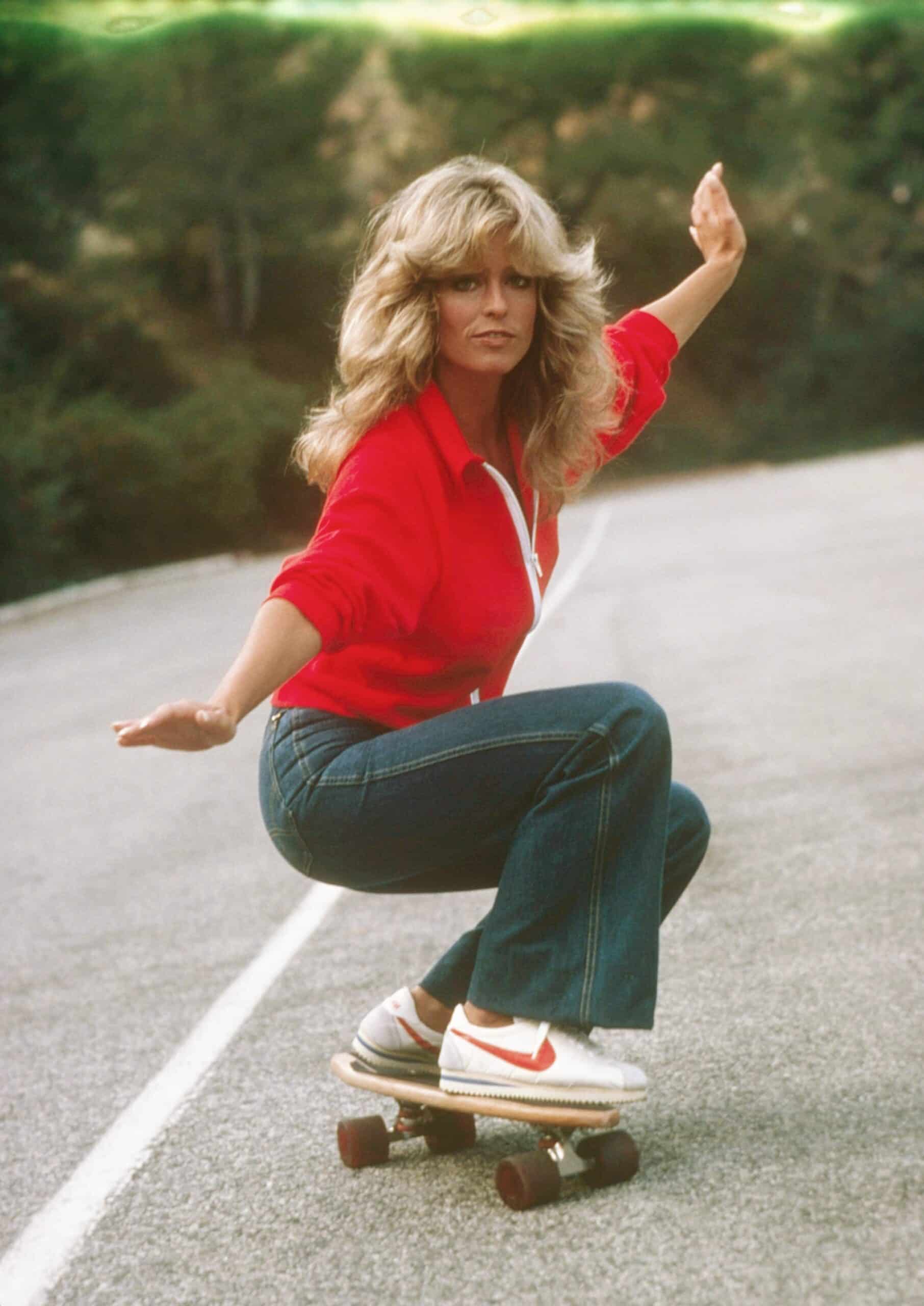
Bigger than anyone at ABC had planned for. Charlie’s Angels premiered as a series on September 22, 1976, after a TV movie that March, and Fawcett, then billed as Farrah Fawcett-Majors, was the third Angel next to Kate Jackson and Jaclyn Smith. Her salary was about $5,000 an episode, according to her Wikipedia biography and Biography.com. That same year, photographer Bruce McBroom shot the poster for Pro Arts, and it sold millions of copies, earning her far more than the show did.
She had a wry sense of what was happening. “When the show was number three, I thought it was our acting,” she told TV Guide in 1977. Once it climbed higher, she joked, the reason had to be that none of the Angels wore a bra. The first season ended fifth in the Nielsen ratings, and the woman at the center of it had never actually signed her series contract.
Why Did Farrah Fawcett Walk Away From ‘Charlie’s Angels’?
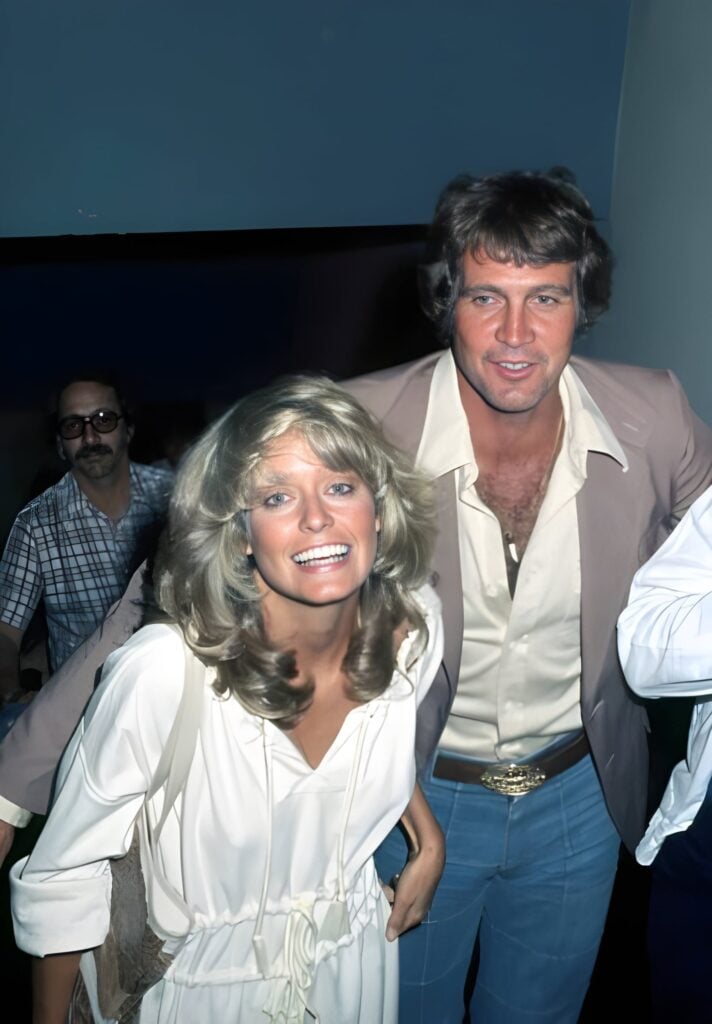
Money was part of it. Her contract was never formally signed, and talks over her share of the merchandise carrying her face dragged on. “They were only offering her 2.5 percent of the merchandise,” her former assistant Mike Pingel told Closer Weekly, as Fox News reported in 2019. “She kept saying to them, ‘Can we renegotiate this?'”
The bigger reasons were the hours and her marriage. Fawcett had married Lee Majors, television’s Six Million Dollar Man, in 1973, and both of them were working long days on separate hit shows. “I was working very hard, I wasn’t pleased with the hours,” she told People. She also wanted to be taken seriously. “Creatively, I just felt stifled. So, it was time for me to leave,” she said in her A&E Biography. Goldberg saw Majors’ hand in it. “Her husband, Lee Majors, wanted her around more and she wasn’t around very much,” he said in his oral history for the Television Academy Foundation’s The Interviews, as quoted by Ultimate Classic Rock.
The producers didn’t see it coming. “I was totally shocked. I heard about it on television,” Goldberg told Mike Pingel in an interview for CharliesAngels.com. He and Spelling tried to talk her out of it, he said, lining up a movie deal at Columbia and offering to push back production so she could make a Paramount comedy with Chevy Chase. That film, Foul Play, came out in 1978 with Goldie Hawn in the part. Fawcett still said no, and Spelling-Goldberg Productions filed a $7 million breach-of-contract suit against her, according to Biography.com and Fox News.
That left the producers with a hit show and an empty chair.
Who Took Jill Munroe’s Place?

Spelling went looking for a replacement and kept coming back to Cheryl Ladd, a singer turned actress. Her first answer was “No thank you,” she told Fox News in 2020. “Nobody can walk in there and try to be Farrah Fawcett.” The writers solved it by not asking her to. Ladd became Kris Munroe, Jill’s younger sister, fresh out of the San Francisco police academy, and she arrived in the two-hour season premiere “Angels in Paradise” on September 14, 1977. On screen, Jill had gone off to race cars in Europe. The gamble paid off, and the second season finished fourth, one spot higher than the first.
Fawcett’s own plans went the other way. Her first starring film after the show, Somebody Killed Her Husband (1978), flopped so badly that critics nicknamed it “Somebody Killed Her Career,” and Sunburn (1979) and Saturn 3 (1980) didn’t turn things around. “The whole lawsuit almost sank me,” she told People in 1979. “The industry was furious with me and hostile.” Her marriage didn’t survive either. She and Majors separated in 1979 and divorced in 1982.
The suit, meanwhile, had to end somewhere, and how it ended put Farrah right back where she started.
What Did The $7 Million Lawsuit Make Her Do?
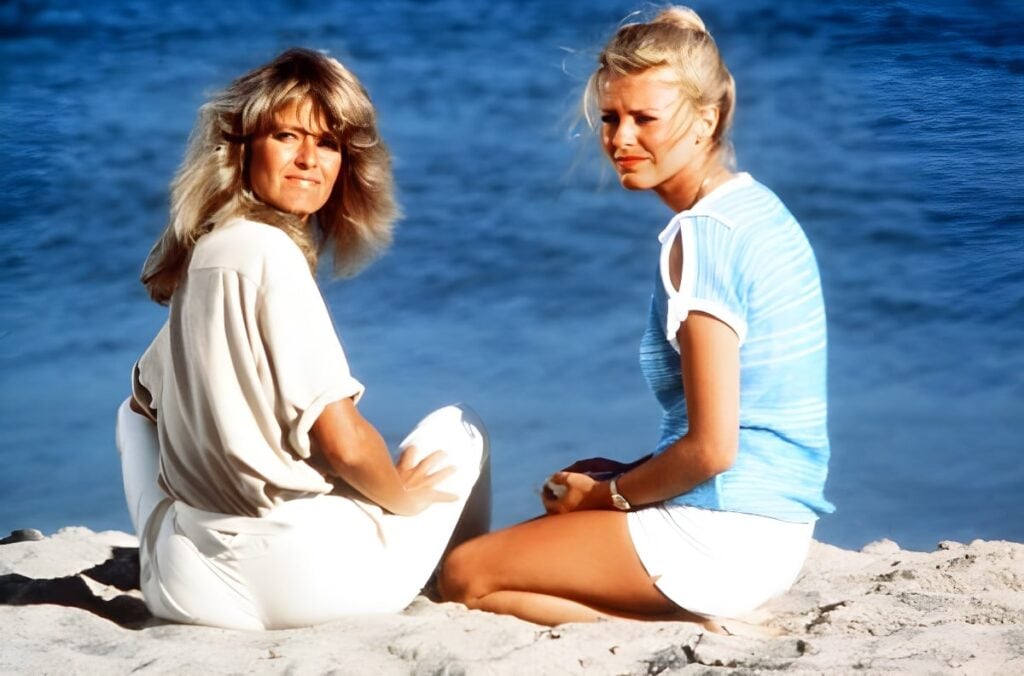
In the end, Fawcett settled out of court, and the price was Jill Munroe. She agreed to return to Charlie’s Angels as a guest star in six episodes, three in the third season and three in the fourth, according to Wikipedia’s history of the series and TV Guide. If you’ve read why Kate Jackson lost an Oscar-winning role to her own Spelling-Goldberg contract, the pattern will sound familiar.
Jill came home in “Angel Come Home” on September 20, 1978, then returned in “Mother Angel” that November and “Angel in a Box” on Valentine’s Day 1979, a story built around Kris being kidnapped. The fourth season brought “Fallen Angel,” “The Prince and the Angel” and finally “An Angel’s Trail” on February 27, 1980, in which Jill is taken hostage at a desert gas station. That was the last time Fawcett played the part. The woman who replaced her held no grudge. Ladd told Fox News that Fawcett was “a highly professional, terrific actress,” and that their scenes together were “very rewarding.”
The career she had gambled on finally arrived a few years later. In 1983 she took over the lead in the off-Broadway thriller Extremities from Susan Sarandon, playing a woman who turns the tables on her attacker, and in 1984 NBC’s The Burning Bed brought her the first of four Emmy nominations. When she died of cancer on June 25, 2009, at 62, the obituaries led with the poster and the hair, but they also remembered the actress who had walked away from the biggest show on television to prove she was one.

 Johnny Cash’s 5 Kids Are All Grown Up, And One Daughter Married Her Dad’s Guitar Player