


John Candy spent most of his adult life quietly bracing for an early death, and the people who loved him say that fear sits underneath every warm, rumpled character he ever played. He was born on Halloween in 1950 in Newmarket, Ontario, which means Saturday, October 31, 2026, would have been his 76th birthday.
He never reached 44.
Candy died of a heart attack on March 4, 1994, at 43, in Durango, Mexico, where he was filming the western comedy Wagons East.
For decades his family said little about what drove him. That changed with John Candy: I Like Me, the documentary directed by Colin Hanks and produced by Ryan Reynolds, which opened the Toronto International Film Festival on September 4, 2025, before landing on Prime Video that October. His children, Jennifer and Chris, served as producers and opened up the family’s home movies, and the story they and his old friends tell starts in a small Ontario household in 1955 and ends in a hotel room in Mexico.
What Happened The Year John Candy Turned 5?
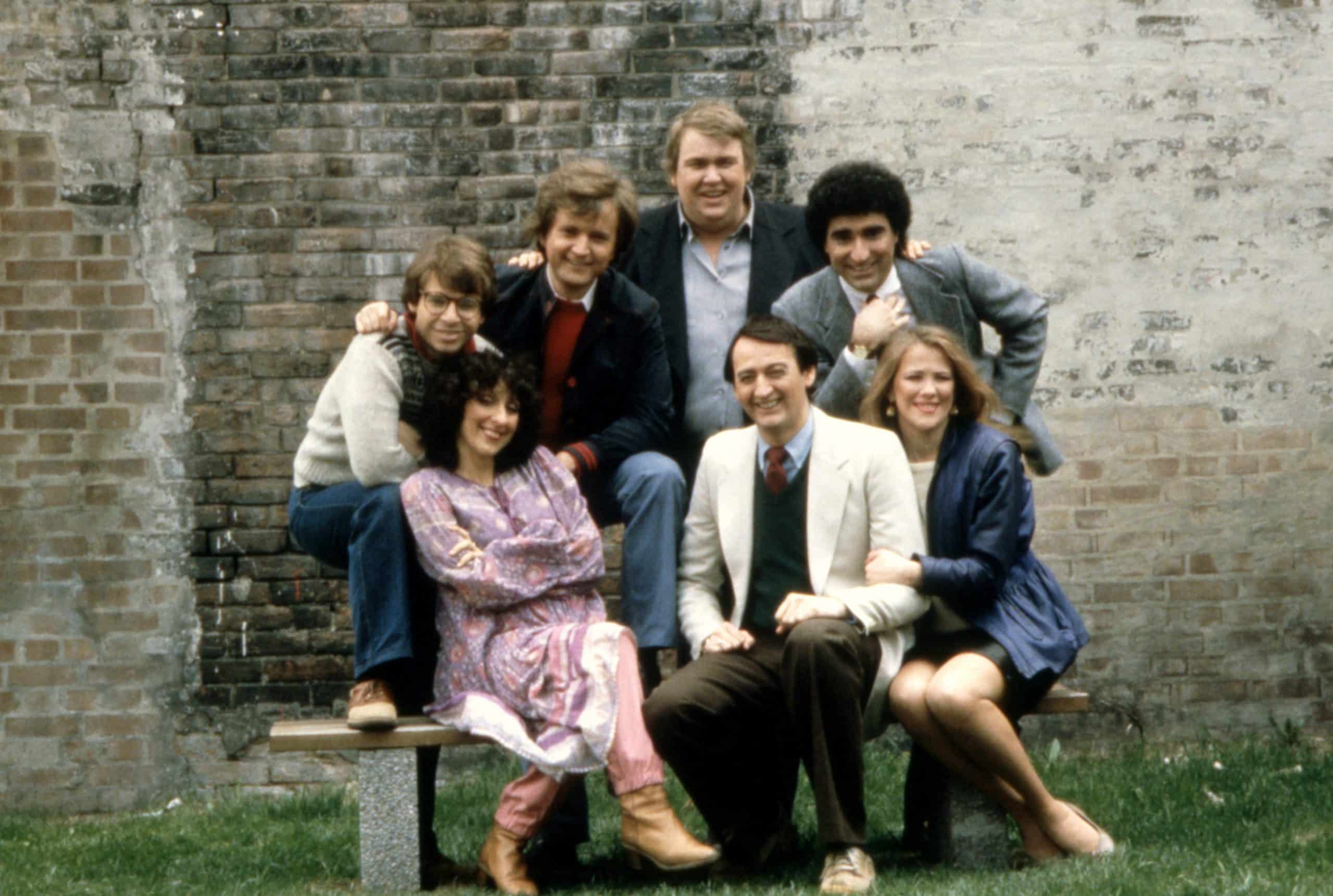
His father, Sidney James Candy, was a World War II veteran who died of heart disease in 1955 at just 35. John was 5 years old, and most accounts, including TV critic Bill Brioux’s review of the film, place the death on John’s fifth birthday. It was a loss the family rarely discussed afterward.
Colin Hanks believes that silence shaped the man audiences came to know. “When you lose your father at that young age, you have coping mechanisms,” the director told NPR in October 2025. “And for John, that was eating and drinking and smoking, but it was also hosting people, pleasing people, wanting to entertain, seeking approval.”
The big laugh and the open door were real, in other words, but so was the shadow behind them. His closest friends say he did the arithmetic on his own life very early.
Did He Really Believe He Was Living On Borrowed Time?
He did, according to nearly everyone who knew him well. His old SCTV partner Eugene Levy recalls in the film, “I seem to recall him saying, ‘I don’t know if I’m going to make it past 35.'” Hanks put it plainly to NPR: “He was under the impression that he was living on borrowed time.”
His son heard the same thing from his father’s friends. “The documentary highlights how he did think he was on borrowed time,” Chris Candy told Fox News Digital, adding, “I remember Carl Reiner referred to it as a sort of Damocles swinging over his head.” At home, the worry rarely came out in words. “He never talked about it, but we knew it was happening,” Chris said. “The anxiety was manifested in him so strongly.”
Friend and fellow comic Dave Thomas remembers Candy “going through doctors like cigarettes,” because he didn’t want to hear what they kept telling him about his weight and his drinking. That restless energy, it turns out, also went straight into his work.
How Did That Fear Become Del Griffith And Buck Russell?
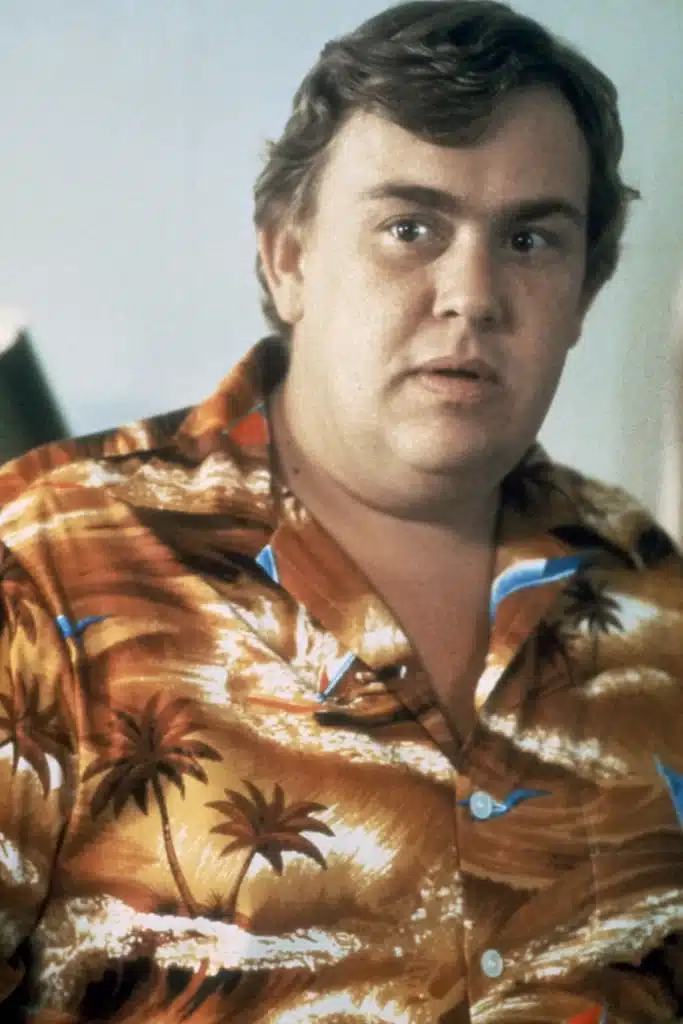
Candy came up through Toronto’s Second City troupe and the sketch show SCTV before Hollywood found him. In 1984 he played Tom Hanks’s brother in Splash, and a young Colin Hanks tagged along. “I have vivid memories of visiting on set,” he told the Associated Press.
Then came the John Hughes years. In 1987’s Planes, Trains and Automobiles, Candy played Del Griffith, the shower curtain ring salesman who drives Steve Martin up the wall, and the documentary takes its title from Del’s heartbreaking speech about being himself. Two years later Hughes cast him as the irresponsible but devoted uncle in Uncle Buck, opposite Macaulay Culkin and Jean Louisa Kelly, who played his sulky teenage niece.
His daughter sees her father in those men. “Like Del Griffith, he knows he’s imperfect,” Jennifer, now 46, told Fox News Digital. After he died, the movies became her lifeline. “All through college, I made sure I had the whole DVD collection,” she told the AP. “For me that was a constant reminder to hear his voice.”
Bill Murray, his old friend and Stripes co-star, sums him up in the film with a shrug: “He was good to people.” By the early 1990s, his children say, Candy was finally trying to be good to himself, too.
What Did His Friends Learn About His Final Night In Durango?
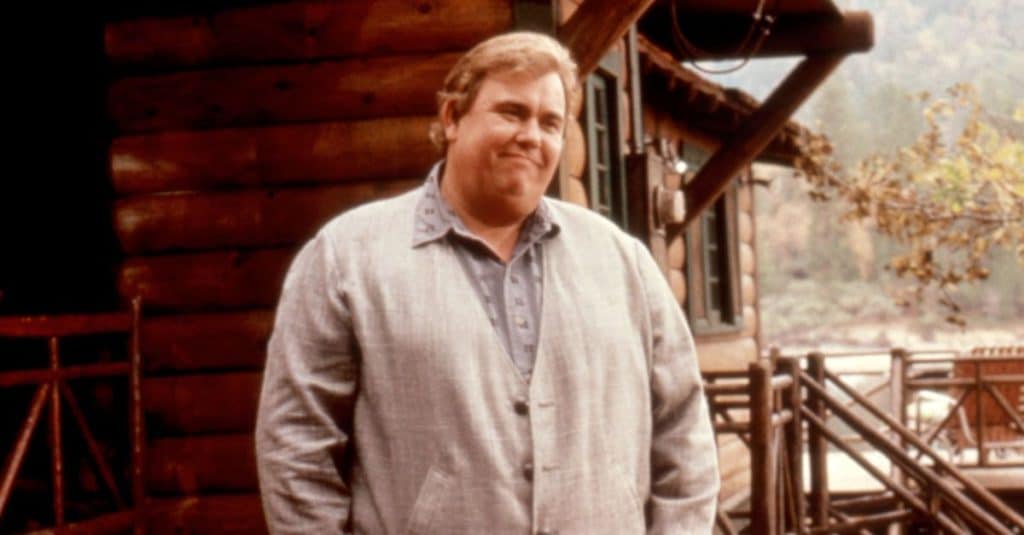
The change was real, Chris says. “He really was trying to turn the boat around toward the end of his life,” he told Fox News Digital. “He was taking better care of himself.” Candy and his wife Rosemary, whom he married in 1979, saw a couples therapist and then went into therapy of their own. “This was part of self-care, like going to the doctor,” Chris said.
But Wagons East was a hard shoot in the Mexican heat, and the film reveals that his anxiety was at its worst in those final weeks. According to Fox News Digital, he suffered an anxiety attack on the way to the set shortly before he died and kept it to himself. On March 4, 1994, he died of a heart attack in his hotel room.
The detail his friends still hold onto is what was found with him. His close friend Don Lake says in the documentary that he heard Candy “had sat up on the side of the bed, opened the Bible and was reading from it before passing away.” Lake’s reaction is one of the film’s quietest moments. “I remember thinking how he was trying to find home,” he said. The Catholic outlet Angelus News described the same scene, with his Gideon Bible fallen to the floor beside the bed.
Ryan Reynolds told the AP, “He died of a heart failure and ironically the thing he left behind was his heart. That’s the thing that stays.” Chris, who is now 42, was only 9 that spring, and he has found his own way to carry it. “He left, but he did leave us some tools to get through this,” he told the AP. “That would be through the way he raised us and also saying it’s OK to talk to someone if you have heavy feelings.”

 Before ‘Bonanza,’ Michael Landon Raced Home From School Every Day To Hide A Secret From His Classmates