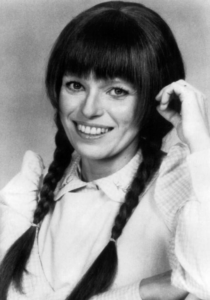

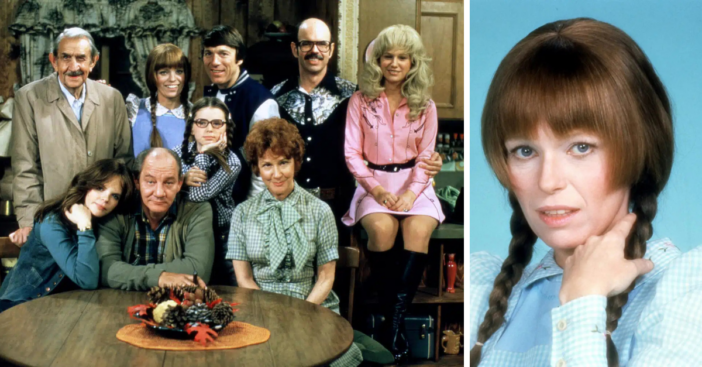
When Louise Lasser stepped into the role that made her a television sensation, she quickly discovered that audiences weren’t simply watching her perform—they believed they knew her. The actress behind one of the most unconventional hits of the 1970s, Mary Hartman, Mary Hartman, suddenly found herself carrying the emotional weight of a character millions invited into their homes every night.
Following her recent passing, fans have been revisiting the remarkable legacy she left behind and the way she transformed television storytelling. Long before prestige dramas and antiheroes became common, Lasser brought vulnerability, anxiety, humor, and exhaustion to the screen in ways audiences had rarely seen before.
The role that became impossible to leave behind

At the height of the show’s popularity in 1976, Lasser admitted she was struggling with where the character ended and her own identity began. Because production moved at a relentless pace, she explained there was a “fusion” between herself and the woman she portrayed every day.
The actress said she loved the character deeply but also carried her pain with her. According to reporting from The New York Times at the time, she described the television heroine as “a survivor in a world that might not be worth surviving in,” a surprisingly profound description for a series that was often promoted as a soap opera parody.
Why ‘Mary Hartman, Mary Hartman’ audiences connected so deeply

Lasser believed viewers recognized something familiar in the character’s endless routines and quiet frustrations. She argued that the appeal extended beyond women because the stories reflected emotional truths about loneliness, boredom, and the strange rhythms of ordinary American life.

That may explain why fans often approached the actress as though she really were the woman from Fernwood, offering comfort and support as if they knew her personally. She later recalled receiving extraordinary affection from viewers who wanted to help her, protect her, and understand her. Few television performances have blurred the line between actor and character quite like Mary Hartman, and decades later the show remains one of television’s boldest experiments.