• Skip to main content
  • Skip to header right navigation
  • Skip to site footer
do you remember

DoYouRemember?

The Home of Nostalgia

  • Celebrity News
    • Family
    • Obituaries
    • Life Behind the Fame
    • Icons
    • Celebrity Feuds
  • Entertainment
    • Cast
    • Showbiz Rewind
    • Music
    • Beauty & fashion
  • Stories
  • Celebrity Buzz!?
  • Sitcoms
    • Bewitched
    • Little Rascals
    • The Partridge Family
    • I Dream of Jeannie
    • All in the Family
    • MASH
    • Happy Days
    • Cheers
  • Celebrity Collections
  • About Us
  • Media
  • Privacy
  • Terms
  • DMCA
  • Contact Us
  • Authors
Stories

Producers Once Expected ‘The Waltons’ To Fail Before It Became A Television Classic

by Ruth A • Published June 15, 2026

Add as a preferred source on Google

Today, The Waltons is remembered as one of television’s most beloved family dramas, earning devoted fans, critical acclaim, and a lasting place in pop culture history. The series captivated audiences with its heartfelt storytelling and relatable depiction of family life during the Great Depression and World War II.

According to MeTV, given its enormous success, many viewers might assume the show was considered a guaranteed hit from the very beginning. However, according to creator Earl Hamner Jr., the people behind the scenes had a very different expectation. In fact, network executives reportedly believed the series would struggle to survive beyond its first season.

Related:

  1. 18 Insanely Cool Photos Of Vintage Celebrity Weddings
  2. 20 People Shared What They Found In Their Grandparents’ Attics And They Are Quite Interesting

Low Expectations Gave The ‘Waltons’ Creative Team An Unexpected Advantage

Learned
THE WALTONS, from left: Richard Thomas, Michael Learned, Ralph Waite, (1974), 1971-81. ph: Albert Watson / TV Guide / ©CBS / courtesy Everett Collection

In his memoir Goodnight John-Boy, Hamner reflected on the early days of developing the series. He explained that television networks often closely monitor new programs, frequently stepping in with suggestions and changes before audiences have even seen a single episode. In many cases, executives attempt to shape a show’s direction long before it has a chance to find its footing.

THE WALTONS, front row, from left: David W. Harper, Judy Norton, Mary Beth McDonough; seated, second row, from left: Kami Cotler, Ralph Waite, Michael Learned; back row, standing, from left: Eric Scott, Jon Wamsley, Richard Thomas, Will Geer, Ellen Corby
THE WALTONS, front row, from left: David W. Harper, Judy Norton, and Mary Beth McDonough; seated, second row, from left: Kami Cotler, Ralph Waite, Michael Learned; back row, standing, from left: Eric Scott, Jon Wamsley, Richard Thomas, Will Geer, Ellen Corby, (1972), 1971-1981. ph: Douglas Jones / TV Guide / ©ABC / courtesy Everett Collection

That wasn’t the case here. Because network leaders reportedly assumed the program would fail, they gave the writers and producers unusual creative freedom. With less interference from executives, Hamner and his team were able to develop characters, stories, and themes according to their own vision. What initially seemed like a disadvantage ultimately became one of the show’s greatest strengths.

Audiences Quickly Proved The Critics Wrong
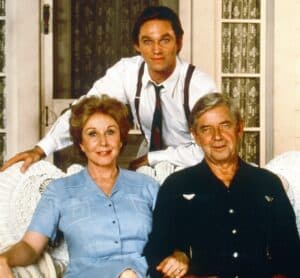
A WALTON THANKSGIVING REUNION, from left: Michael Learned, Richard Thomas, Ralph Waite, 1993. /© CBS / Courtesy Everett Collection

When the series finally premiered, viewers responded in a way few expected. Word of mouth helped the audience grow as fans recommended the program to friends and family. Its focus on kindness, perseverance, and family values resonated with viewers looking for meaningful storytelling amid the television landscape of the 1970s.

According to Hamner, positive feedback soon poured into both the network and production offices. Fans requested autographs, asked questions about the real-life inspirations behind the story, and expressed their appreciation for the cast and characters. Despite early doubts,  The Waltons grew into a major success, running for nine seasons and inspiring reunion movies. The story serves as a reminder that sometimes the projects people doubt the most can end up leaving the biggest mark on television history.

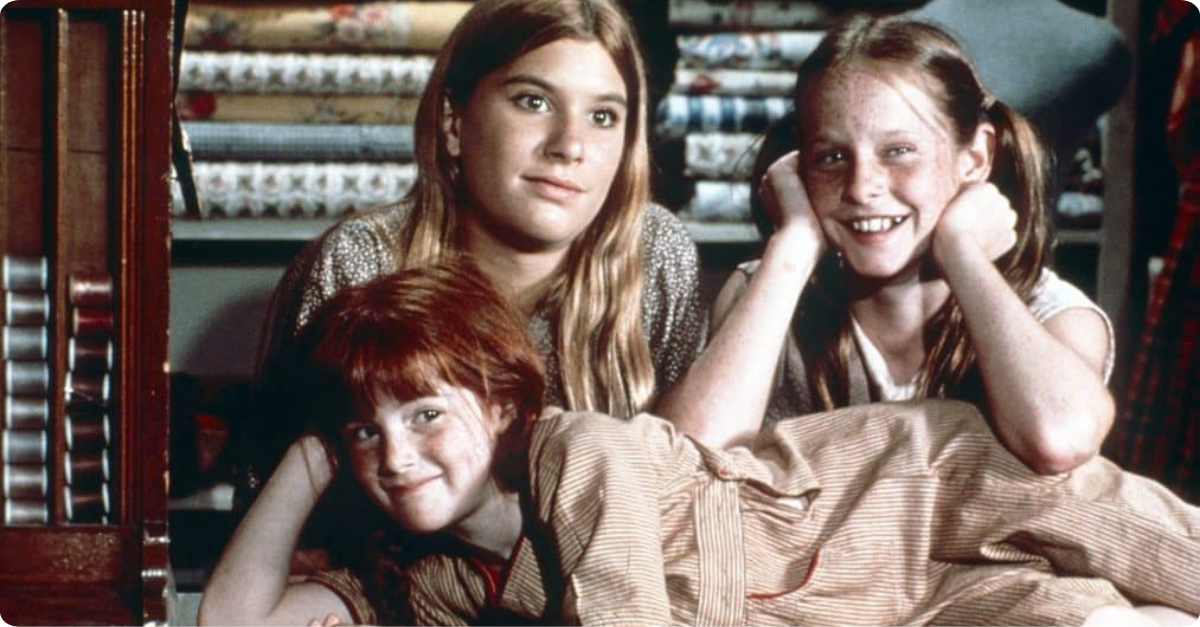
THE WALTONS, from left: Kami Cotler (front), Judy Norton, Mary Elizabeth McDonough, (1970s), 1971-1981. © CBS / Courtesy Everett Collection

More Like This

66-Year-Old ‘The Dukes of Hazzard’ Star John Schneider Admits Owes Ex-Wife $3.7 Million, But Is Fighting One Thing

Walter Koenig, who played Chekov on 'Star Trek', and his son Andrew Koenig of 'Growing Pains'

‘Star Trek’ Star Walter Koenig’s Death Certificate Reveals What Really Took His Life At 90

barbara-feldon-then-and-now

The Only ‘Get Smart’ Cast Members Still Alive Today

Margaret Hamilton was good - too good

‘Wizard Of Oz’ Star Margaret Hamilton Showed Up On ‘Mister Rogers’ Neighborhood’, And Kids Never Forgot Why

About Ruth A

  • View Author
Previous Post:Rod Stewart Faces Fan Backlash After Attending World Cup Match Following Concert Cancellation
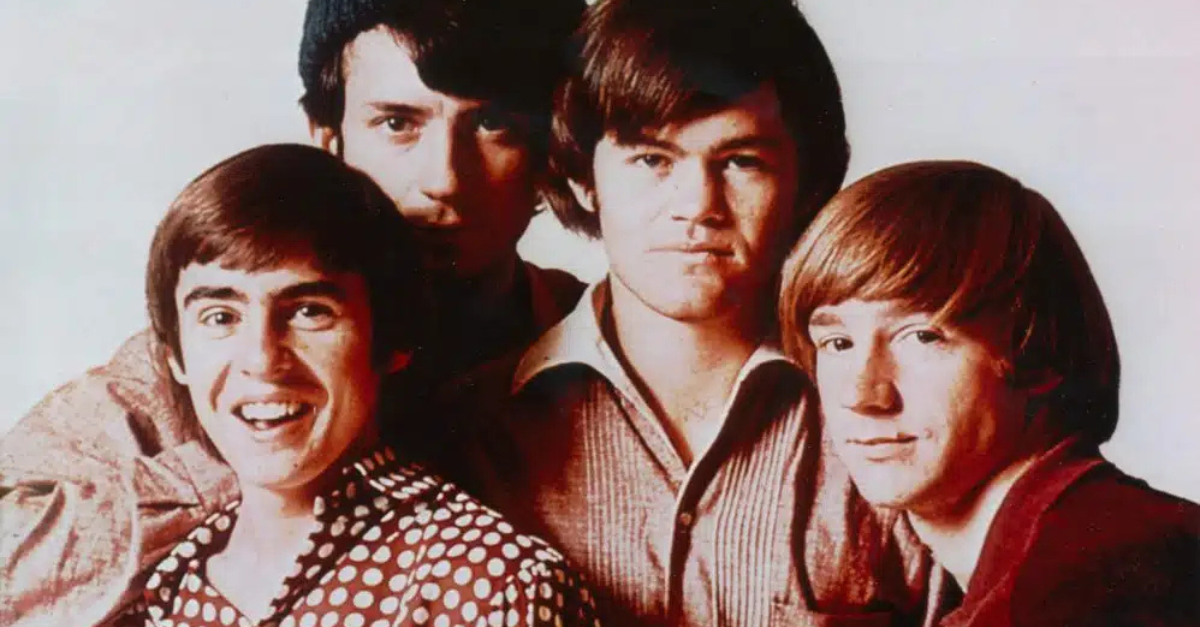
Previous Post:There Is Only One Surviving Member Of The Monkees Left

Sidebar

Recommended

McHale's Navy

No One From The ‘McHale’s Navy’ Cast Is Still Alive After The Last Crew Member Died At 84

Alan Alda

Alan Alda’s Hawkeye Rewrote A Dark Childhood Memory On ‘M*A*S*H’ That Most Fans Have Forgotten

‘I Love Lucy’ Stars Vivian Vance And William Frawley Couldn’t Stand Each Other, Here’s What Started It


do you remember
  • About Us
  • Media
  • Privacy
  • Terms
  • DMCA
  • Contact Us
  • Authors

  • Facebook
  • X
  • YouTube
  • Pinterest
  • LinkedIn
  • Instagram
  • Mail

© 2026 · All Rights Reserved · Powered by BizBudding