

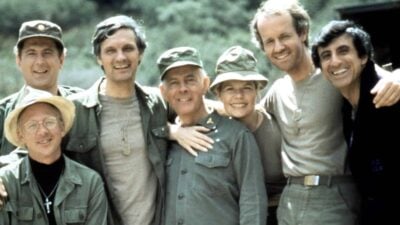
When the phone rang for Jamie Farr in October 1972, his agent was offering one day of work on a new CBS comedy called M*A*S*H. Farr had not even seen the script. He showed up, played a corporal with a couple of lines, and went home expecting that to be the end of it.
Instead, Corporal Maxwell Klinger stayed at the 4077th for the next 11 years, and by the finale only Alan Alda and Loretta Swit had appeared in more episodes. Farr, who was born July 1, 1934, is 92 now, and the reason that one day turned into a career comes down to a choice he made about how to play the part, which was not the way it was written.
How Did A One-Day Job Turn Into Klinger?
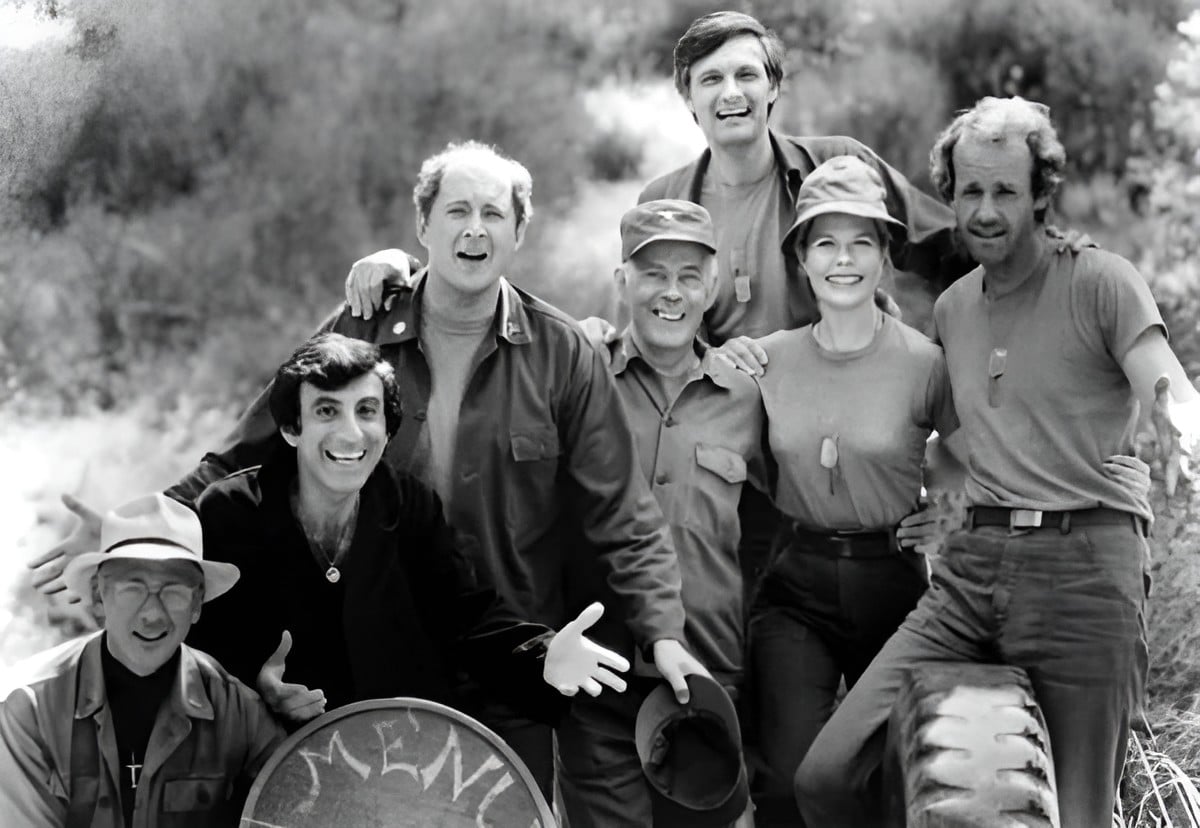
The episode was “Chief Surgeon Who?”, the fourth of the show’s first season, written by Larry Gelbart and first aired on October 8, 1972. “I had a couple of lines,” he recalled in an interview Parade revisited this week. “The producers liked it, asked me back, and I was in six or seven shows.” By the third season, he said, “they put me under contract,” and Klinger joined the regular cast in 1975.
He found out what kind of corporal he was playing the moment he walked into his dressing room. Waiting for him were a Women’s Army Corps uniform and what he described as “great big women’s high-heeled shoes.” Klinger was a soldier trying to convince the Army he was crazy enough for a Section 8 discharge. Where Gelbart got that idea is a story of its own.
Where Did Klinger’s Dresses Come From?
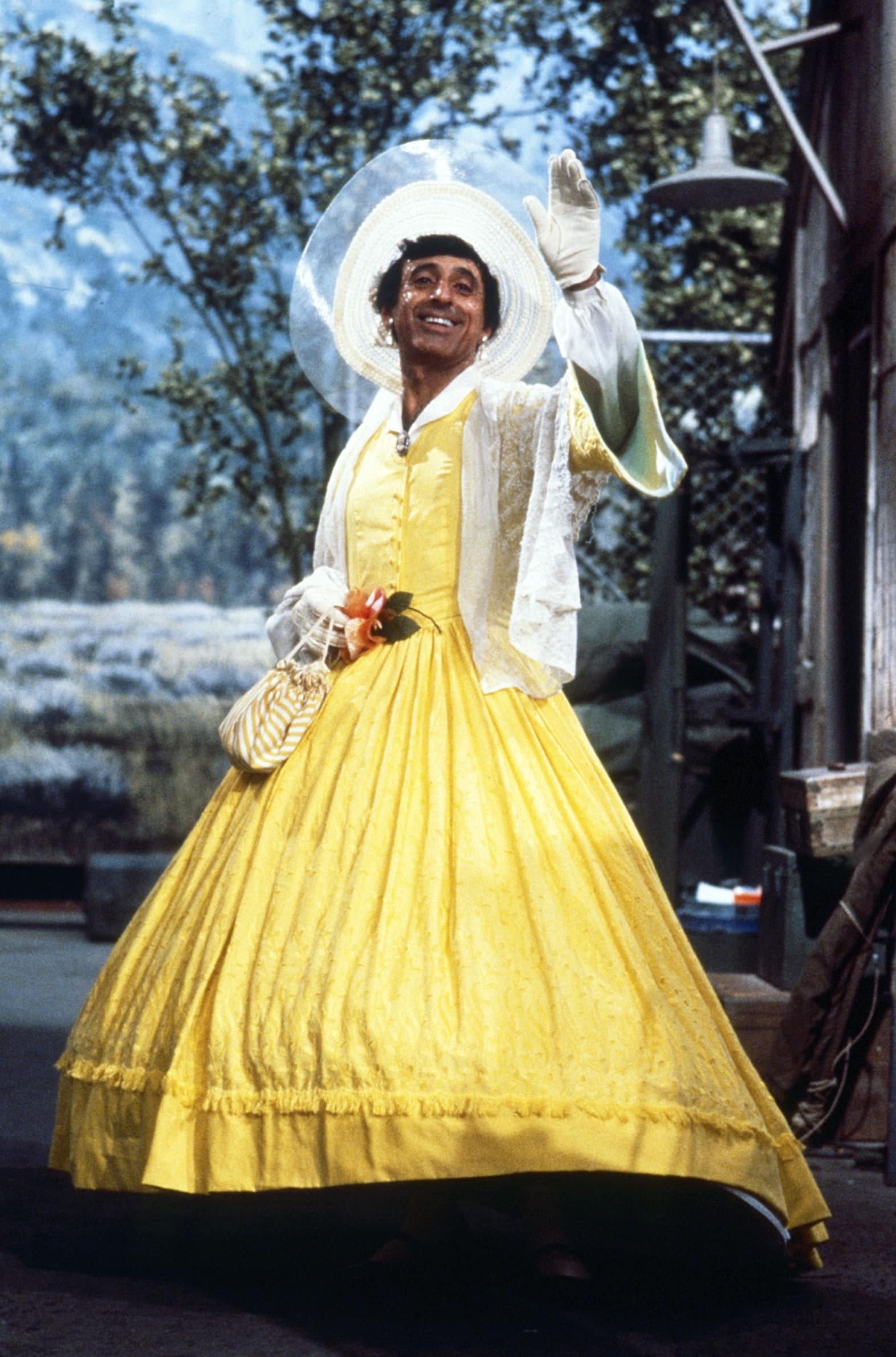
Gelbart said during the M*A*S*H 30th anniversary reunion special in 2002 that Klinger grew out of stories about Lenny Bruce, the stand-up comic who served in the Navy during World War II and reportedly tried to get out by dressing as a WAVE, one of the Navy’s women volunteers. Farr has credited Bruce in interviews too. Bruce really did win his way out in 1945, after performing for his shipmates in drag and telling the ship’s doctor he had homosexual urges, and Gelbart took that wartime stunt and stretched it across an entire war.
The wardrobe department made it something more. Some of Klinger’s outfits came from old studio stock, and two of the dresses Farr wore had once been worn by Ginger Rogers and Betty Grable. Both now belong to the Smithsonian’s National Museum of American History. Farr told People that Rogers gave him her verdict on her gold lamé gown. “That dress looked a hell of a lot better on you than it did on me,” she said.
Under the costumes, Farr carried one piece of the real thing. He had been drafted in 1957 and served in Japan and Korea, the only member of the cast who had actually been stationed there, and the dog tags hanging around Klinger’s neck were his own from his Army days. He took the part seriously, and that explains the decision that kept him on the show.
What Did Jamie Farr Change About Klinger?
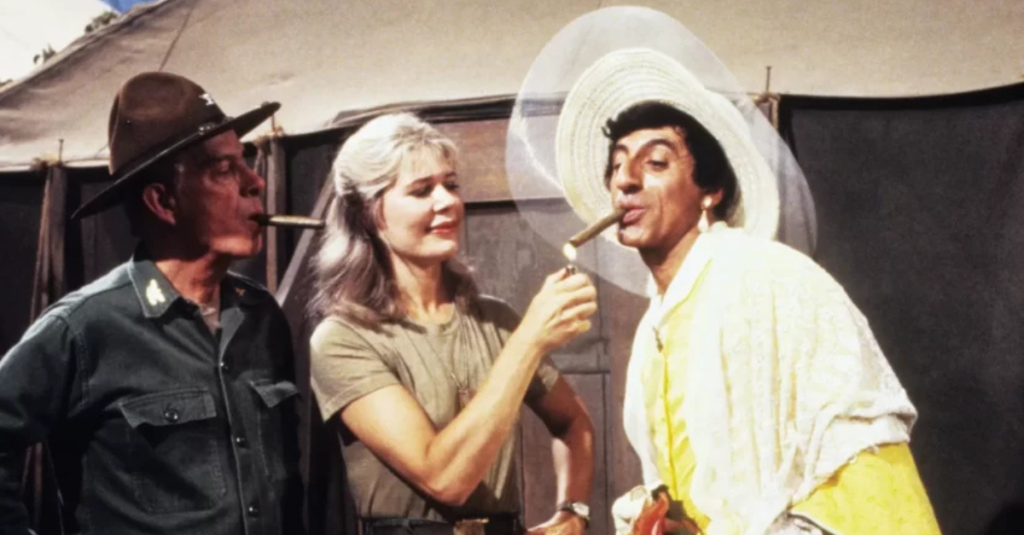
In the original script for “Chief Surgeon Who?”, Klinger was written as an effeminate gay man. Farr himself described the script’s version that way in the documentary Making M*A*S*H, and the media scholar James H. Wittebols traces the same history in his 2003 book Watching M*A*S*H, Watching America. Farr did not play it that way. He played Klinger as an ordinary, homesick guy from Toledo who happened to be wearing a dress because he wanted to go home.
“I always tell everybody, ‘that’s an original character,'” Farr said in his 2011 interview with the Television Academy Foundation. “Nobody had ever put it on and just played it straight, just as a guy.” The writers came around to his reading and agreed that a straight soldier scheming for a discharge was the funnier and more interesting character, and that change is what turned a one-scene gag into someone audiences could care about. It also gave the writers room to give Klinger a life, which they did by borrowing Farr’s own. Like the actor, Klinger was a Lebanese-American from Toledo, which is why viewers spent a decade hearing about Tony Packo’s hot dogs and the Toledo Mud Hens.
The dresses were only ever a means to an end for that guy, and that is what made the next change possible.
Why Did Klinger Finally Stop Wearing Dresses?
When Gary Burghoff left the show in 1979, Radar’s farewell in “Good-Bye Radar” handed the company clerk’s desk to Klinger. You can read more about why Burghoff walked away from M*A*S*H, but for Farr the promotion meant the dresses had to go, slowly, over the following episodes. Farr admitted the shift worried him. “I was actually pretty nervous when they said they were going to make Klinger the company clerk and cut back quite a bit on the dress jokes,” he told The Gazette in 1981, adding that the cast was “anxious that maybe the audiences wouldn’t go for me out of dresses.”
There was a more personal reason, too. Farr and his wife, Joy, whom he married in 1963, had two young children, Jonas and Yvonne, and a 1980 newspaper profile reported that he did not want them teased at school about their father wearing dresses on television. By 1979, as our look at the anti-war message behind Klinger’s dresses shows, the joke had done its work.
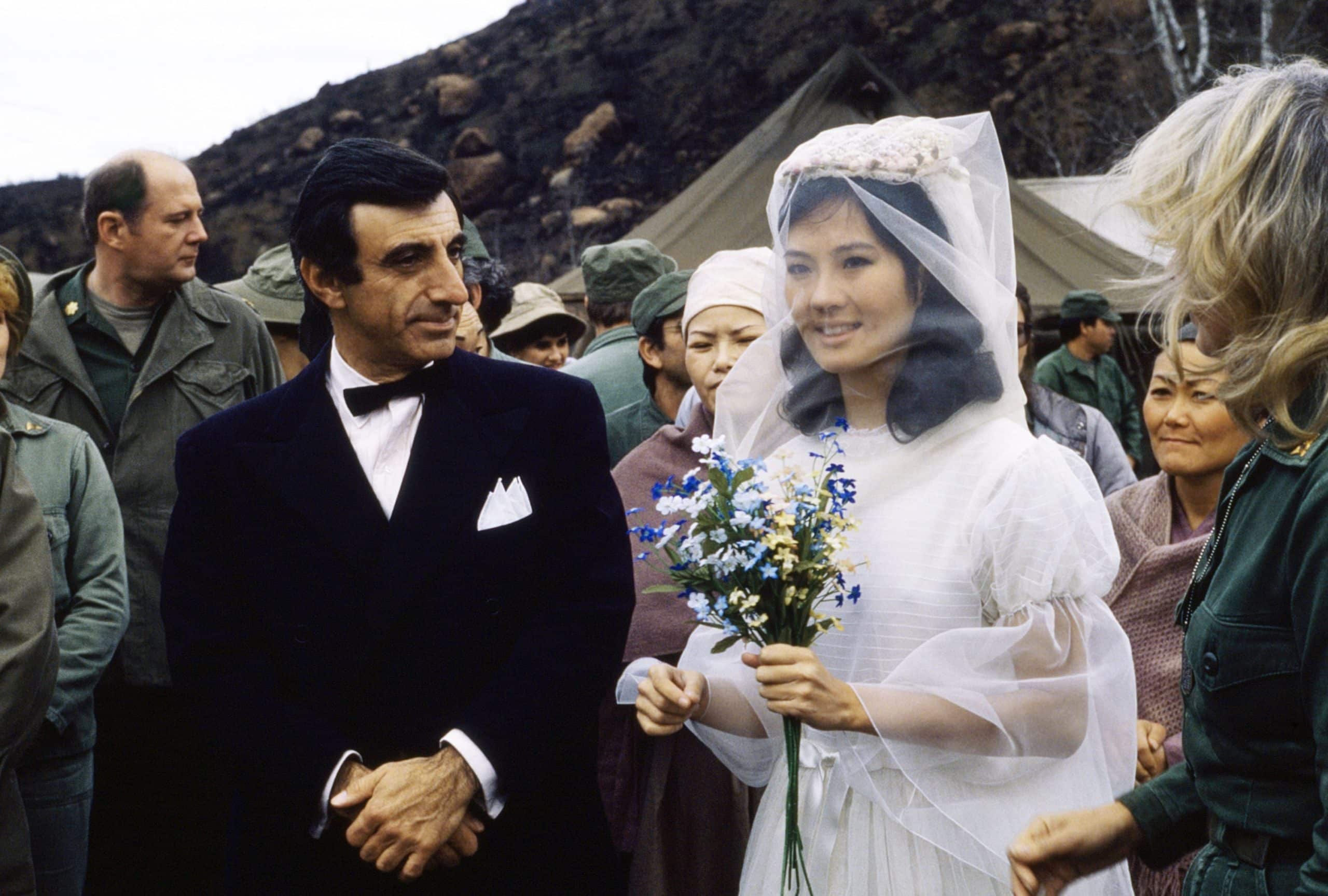
Audiences went along with it. Klinger out of a dress was still the same man Farr had built in 1972, so the laughs survived, and in the final episode he married Soon-Lee and stayed in Korea to help find her family. Farr went on to play Klinger again on AfterMASH, and he never drifted far from the people he made it with. This fall, he shared that he spoke with Loretta Swit the night she died, a reminder that the cast from that one-day job turned into his family.




 81-Year-Old Micky Dolenz Says ‘The Monkees’ Wanted A Different Show Before NBC Pulled The Plug