

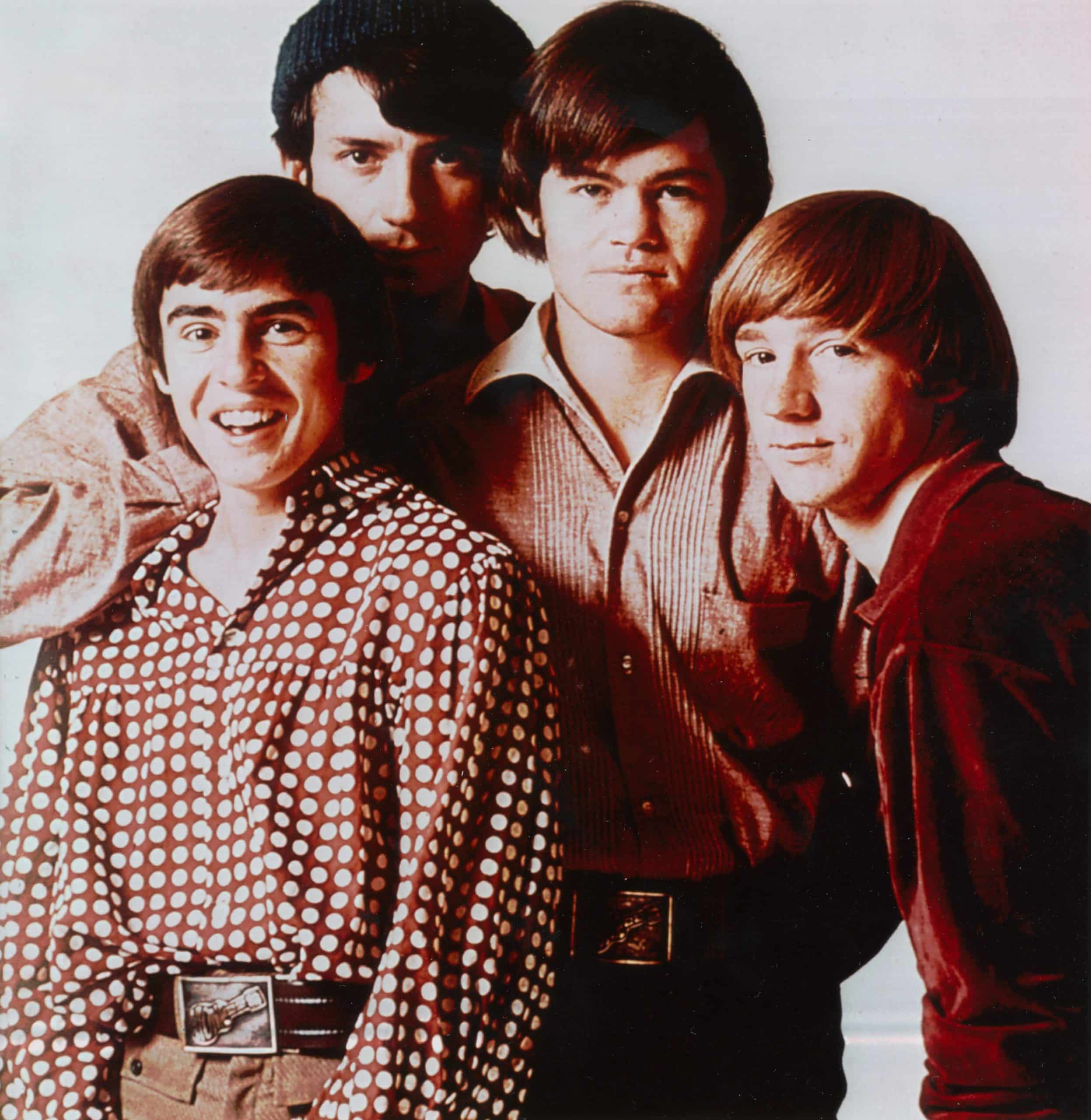
For two seasons, Monday nights on NBC belonged to four young men running wild on a beach, piling into the Monkeemobile and solving a mystery in time for a song. The Monkees premiered on September 12, 1966, won the Emmy for Outstanding Comedy Series in its first year and helped sell millions of records. Then, on March 25, 1968, the network aired an episode called “The Frodis Caper,” and there was never another one.
Micky Dolenz, the drummer who was born March 8, 1945, is 81 now and the last of the four still with us. He has been asked about that ending for close to six decades, and his answer does not match the version most fans grew up with. The show was not simply dropped by a network that lost interest, and the band did not walk out either. What really happened involved a fight over who got to play the music, a weekend in Ojai with Jack Nicholson and a tape recorder, and two producers who already had their eyes on Hollywood.
How Did Four TV Actors Turn Into A Real Band?
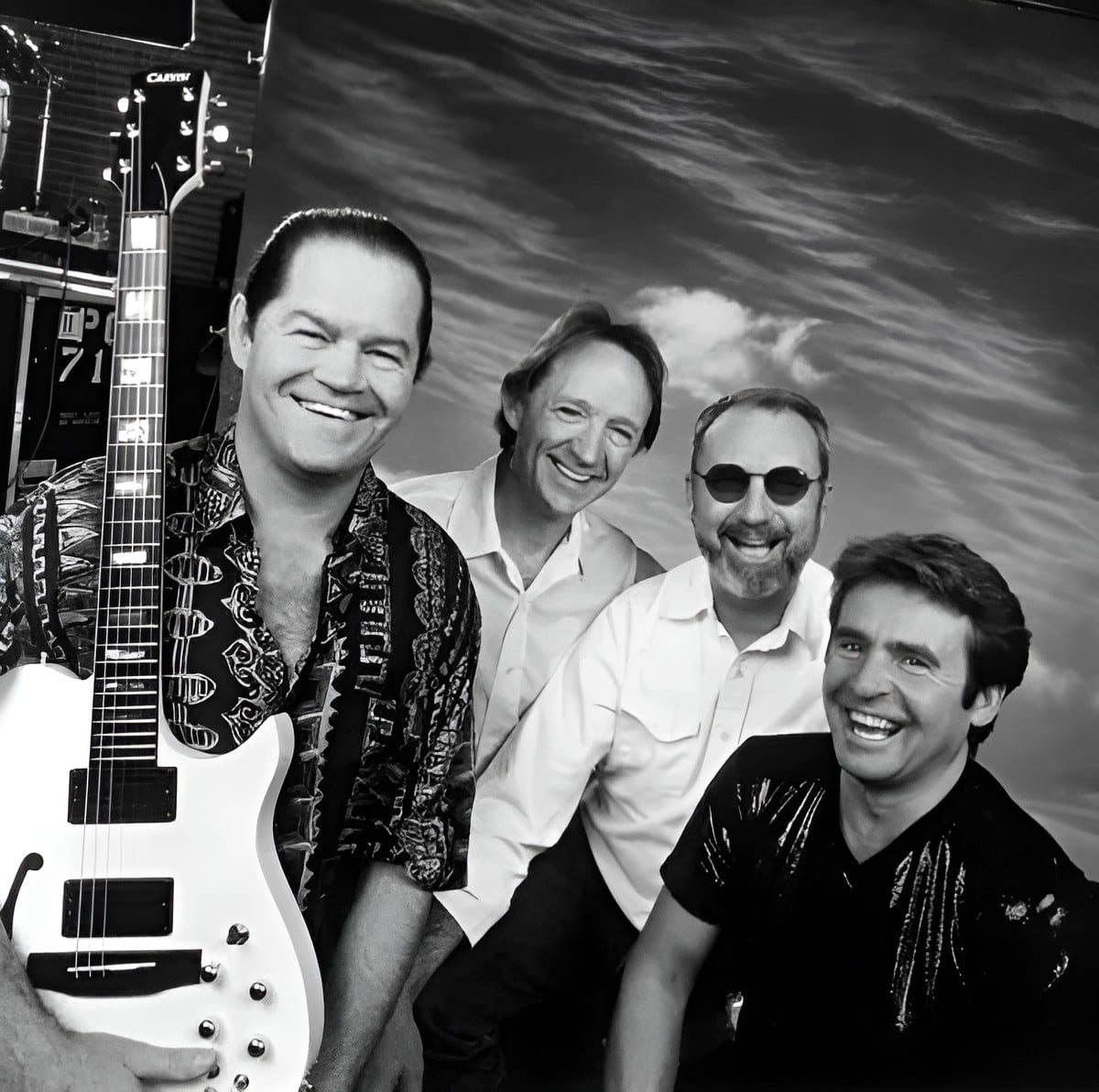
Bob Rafelson and Bert Schneider built the show at Screen Gems as an American answer to The Beatles’ films, and they cast it like a sitcom. Davy Jones came from musical theater, Peter Tork and Michael Nesmith from the folk scene, and Dolenz had starred on Circus Boy when he was 11. Music supervisor Don Kirshner hired the songwriters and the studio players, and the records went straight to the top. That arrangement lasted only a few months.
Nesmith, a songwriter who had been promised a say in the music, pushed back hardest. At a meeting at the Beverly Hills Hotel early in 1967 he put his fist through a wall and told Kirshner, “That could have been your face.” Dolenz confirmed the story years later. “That is one urban myth that is actually true,” he told the Minnesota News Network. Kirshner was soon out, and in May 1967 the band released Headquarters, an album the four of them played and sang themselves. Having won that fight, they started to look hard at the television show too.
What Changed During The Second Season?

The plots that charmed viewers in 1966 had settled into a routine by 1967. “Every week Davy would fall in love with some girl or Peter would be kidnapped by some bad guy,” Dolenz wrote in his memoir, I’m a Believer. “Quite frankly, we were a little jaded with the show as it existed.” Nesmith said much the same thing to the Arizona Republic in 2018. “We all were very tired, and the show was starting to repeat itself,” he said.
You could see the restlessness on screen. The second season leaned on surreal gags and moments that broke the fourth wall and poked fun at the show’s own clichés. Dolenz wrote and directed the finale himself, his first time behind the camera, and he gave it the alternate title “Mijacogeo,” built from the names of his family members. By the time it aired, the four had something else in mind for a third year.
What Did The Monkees Want Instead?
The band wanted out of the half-hour sitcom, though they never wanted to quit television. “We were, to be quite honest, getting tired of the same format,” Dolenz has said, according to Ultimate Classic Rock. The ideas they kicked around were a live show, a variety hour or a string of sketches, and one of them sounded a lot like Rowan & Martin’s Laugh-In, which NBC had launched in January 1968 and which became a smash.
That pitch went nowhere. The network decided the show had run its course, and Dolenz has described the ending as a parting “by mutual consent.” The four were tired of the format, and NBC was ready to let it go. One more thing pulled in the same direction, and it came from the two men who had invented the band.
Where Did The ‘Monkees’ Money Go Next?
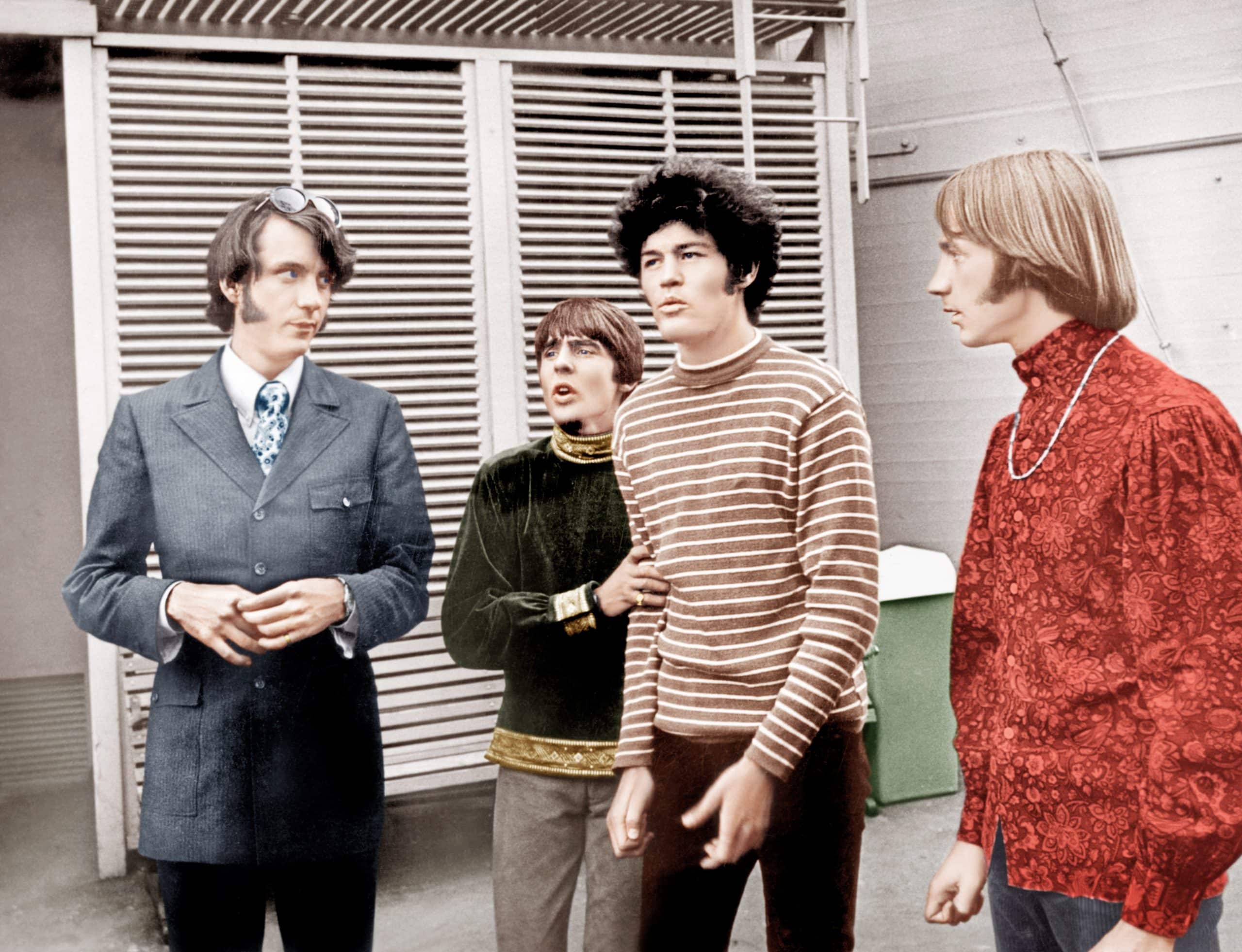
Rafelson and Schneider had already started on a movie before the finale aired. Around November 1967 the four Monkees, Rafelson and a young actor and writer named Jack Nicholson went to a resort in Ojai, California, and talked into a tape recorder for a weekend. Nicholson turned the tapes into a screenplay, and the result was Head, a plotless, psychedelic film that opened in New York on November 6, 1968. Its ads left the Monkees’ name out entirely, and Daily Variety reported it took in $16,111 in its first five days in New York. “We didn’t want to make a 90-minute version of the TV show,” Dolenz said later. Nesmith told Rolling Stone in 2012 that the film “was an authentic representation of a phenomenon we were a part of that was winding down.”
Tork left at the end of December 1968, after the group filmed 33 1/3 Revolutions per Monkee, an NBC special that aired on April 14, 1969. It was the last time the original four appeared together until 1986. Rafelson and Schneider put the profits from the series into their new company, which became BBS, and used them to back a low-budget biker picture called Easy Rider in 1969. Rafelson then directed Nicholson in Five Easy Pieces in 1970. NPR put it simply when it said the pair used their Monkees money to make a run of classic films. Schneider died in 2011, and Rafelson died on July 23, 2022, at 89.
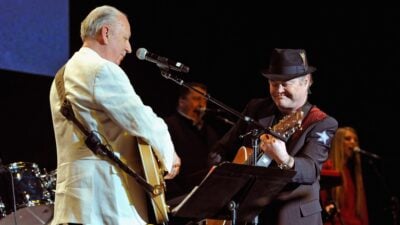
The band outlived the show by a long way. Reruns on CBS and ABC on Saturday mornings, and later on MTV in 1986, found a new generation, and the reunion tours never quite stopped. Dolenz has written about his bandmates since becoming the only surviving Monkee, and this year he took a “60 Years of the Monkees” tour across the country. He has already added dates for 2027.

 76-Year-Old Heart Rocker Ann Wilson Reveals How Low Cancer Took Her, And The Wig She Left Behind