

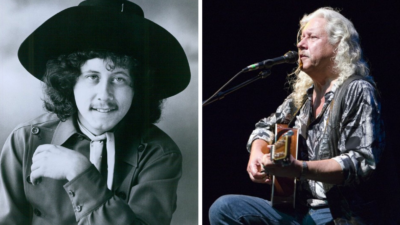
Sometime this Thanksgiving morning, a disc jockey somewhere will cue up a record that runs 18 minutes and 34 seconds and then go carve a turkey. Arlo Guthrie’s “Alice’s Restaurant Massacree” has been a holiday radio ritual for decades, and plenty of listeners who can recite every word of it still assume the story is a tall tale a young folk singer made up for laughs.
It happened. Arlo Guthrie, who was born July 10, 1947, and is 79 now, was 18 years old when a trip to the dump on Thanksgiving 1965 landed him in front of a judge in Lee, Massachusetts. The police chief who arrested him had a version of events all his own, and when Hollywood came calling four years later, he made a choice almost nobody expected.
What Really Happened In Stockbridge On Thanksgiving 1965?
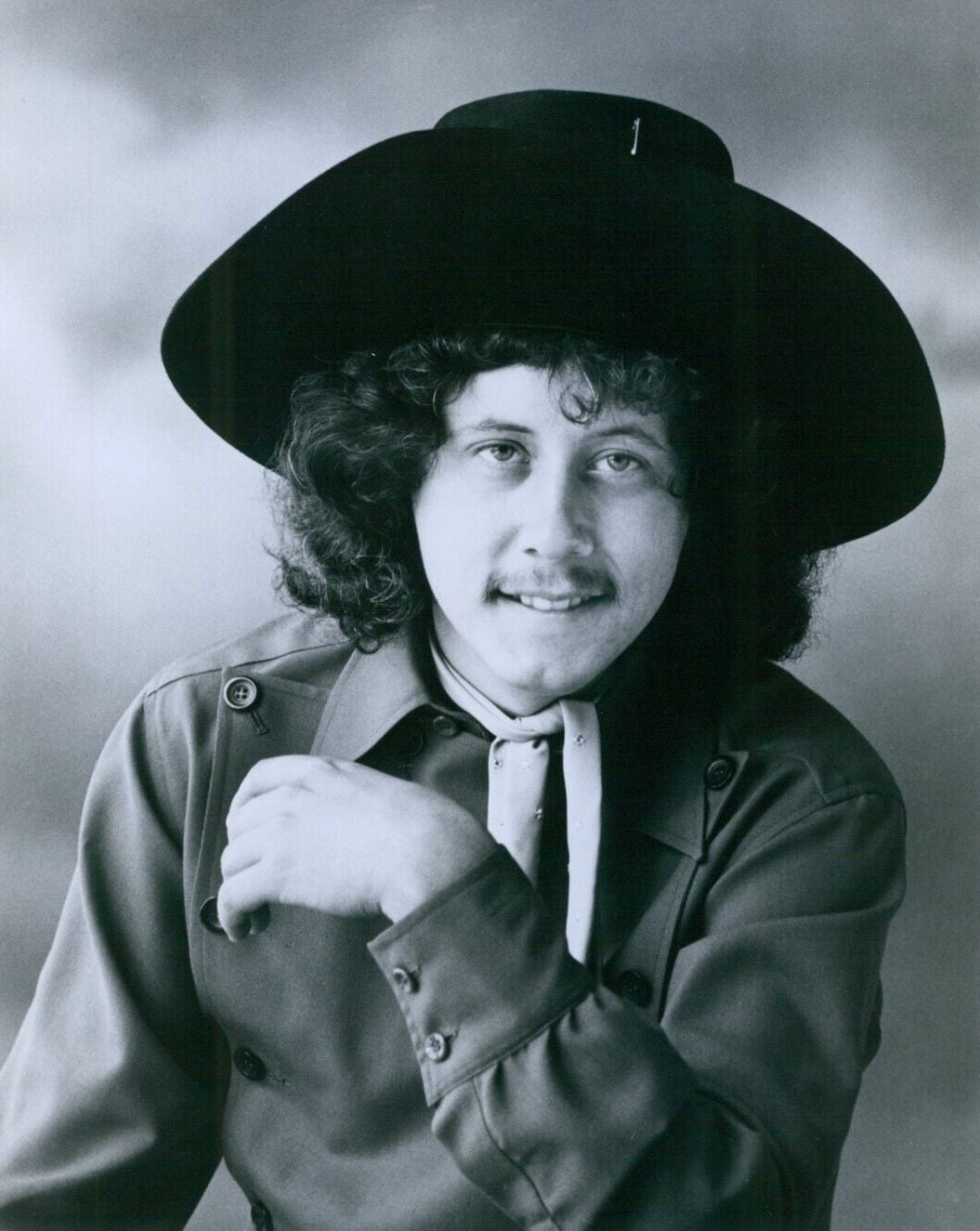
That fall, Guthrie had dropped out of college and was staying with his friends Alice and Ray Brock, who lived in a former church on Van Deusenville Road in Great Barrington. Alice was cooking a big Thanksgiving dinner, and Arlo and his 19-year-old friend Rick Robbins offered to haul away a heap of garbage that had piled up inside. The town dump was closed for the holiday, so the two young men tossed the load down a hillside instead.
Stockbridge police chief William Obanhein spent what he called “a disagreeable two hours” sorting through that trash, and he found a scrap of paper with Ray Brock’s name on it. He phoned the house. Asked whether she had dumped it, Alice Brock told him, “No, but I know who did.” Guthrie went to jail, and she later said she bailed him out with “$50 worth of quarters and foreign coins,” according to the Associated Press.
The Berkshire Eagle reported on November 29, 1965, that Guthrie and Robbins had pleaded guilty in Lee District Court and paid $25 each for illegally disposing of rubbish. Special Justice James Hannon, who was visually impaired and came to court with a guide dog, also ordered them to clean up the mess. Obanhein watched them do it and observed that the boys found dragging the junk up the hill much harder than throwing it down, Ultimate Classic Rock reported. So how does a $25 fine turn into one of the most-played records of the season?
How Did A Littering Ticket Become An 18-Minute Record?

The arrest came back to haunt Guthrie in 1966, when he reported for his draft physical at the Army building on Whitehall Street in New York. Asked whether he had ever been arrested, he owned up to the littering conviction, and he was turned away from military service. Guthrie started telling the whole saga on stage as a long talking blues.
He performed it on New York’s WBAI radio in early 1967, and that October it filled the entire first side of his debut album, Alice’s Restaurant, on Warner Bros. Far too long for a single, it became a Thanksgiving fixture on classic rock stations, where disc jockeys welcomed the long break. “A lot of people thought it was fiction, and this is all real stuff,” Guthrie told NPR. By the summer of 1969 he was playing Woodstock, and a movie version of his song was headed for theaters. But what became of the woman whose name was on the record?
What Happened To Alice And Arlo?
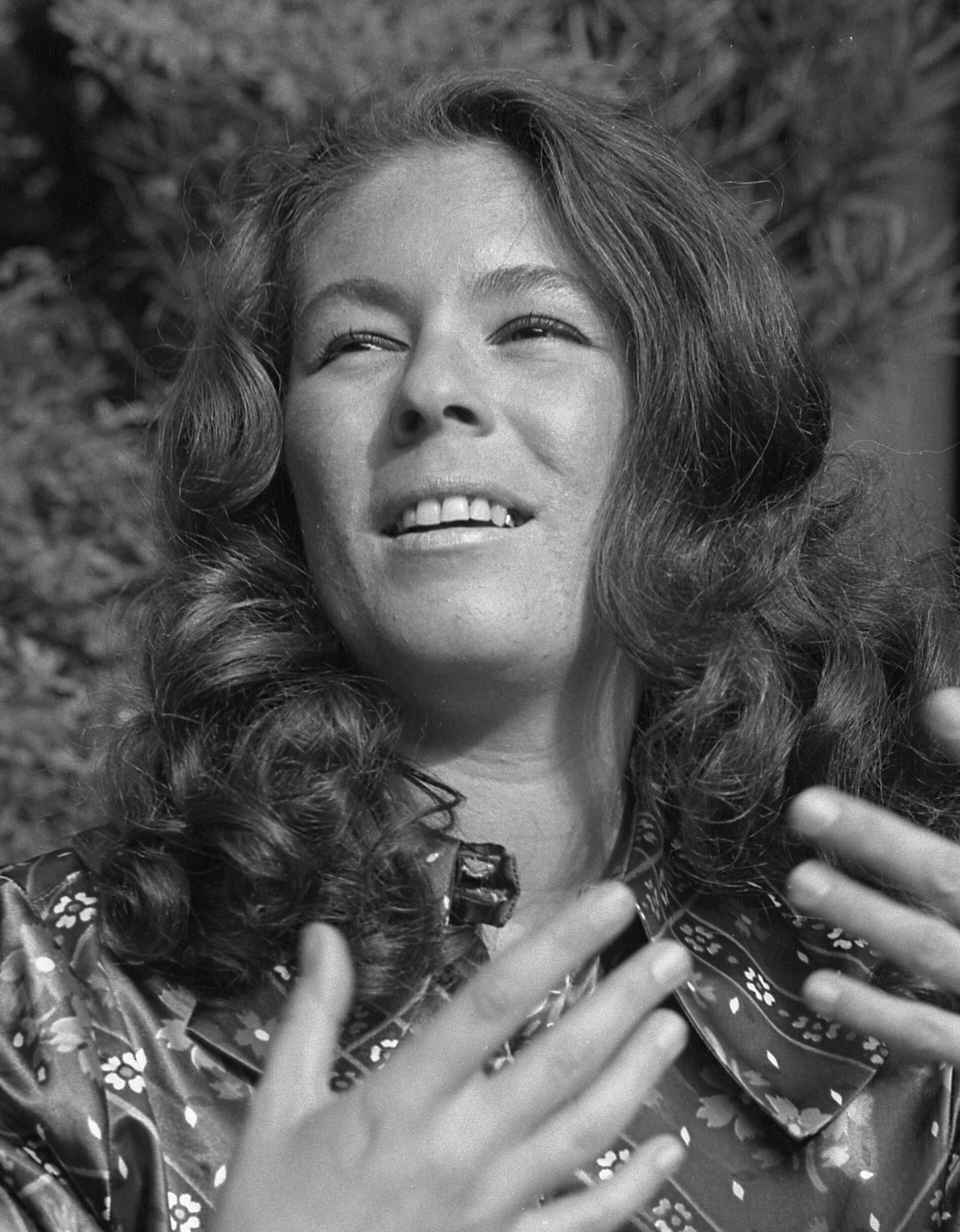
Arthur Penn directed Alice’s Restaurant, released in August 1969, with Guthrie playing himself and Pat Quinn as Alice. The movie made Alice Brock famous whether she liked it or not, and she resented the way it portrayed her life. “So not true,” she said of it, the AP reported. She later moved to Provincetown, worked as an artist and illustrator, and wrote a memoir called My Life as a Restaurant. She died on November 21, 2024, at 83, at a hospice home in Wellfleet, Massachusetts, just days before Thanksgiving.
Guthrie remembered her on Facebook as “a no-nonsense gal, with a great sense of humor,” adding that they had talked on the phone a couple of weeks earlier. “This coming Thanksgiving will be the first without her,” he wrote.
His own health had changed his life by then. After a series of strokes, including a serious one on Thanksgiving 2019, he announced in October 2020, at 73, that it was “time to hang up the ‘Gone Fishing’ sign” and stop touring, the AP reported. The old church where it all began belongs to him now. He bought it in 1991, and it operates as the Guthrie Center, which serves a free Thanksgiving dinner every year. He joked to Boston.com this week, “I’m closing in on 80, I’m allowed to forget certain things.” The song’s most memorable lawman, meanwhile, had his own unlikely Hollywood moment.
Who Played Officer Obie In The Movie?
Penn lived in Stockbridge, and when he cast the film, he offered Bill Obanhein the chance to play the officer the whole country now knew as Obie. Obanhein said yes. Judge Hannon agreed to appear as himself, too, so two of the real men from Guthrie’s courtroom saga ended up on screen next to the kid they had arrested and fined. “Those people played themselves in the movie!” Guthrie later marveled.
Obanhein was already a familiar face in town for another reason. He had posed for Stockbridge artist Norman Rockwell, including a 1959 sketch of a policeman with two boys. He served on the Stockbridge force for 34 years, and he never pretended the song got everything right. He denied ever handcuffing Guthrie. He also admitted the arrest was meant to make an example of somebody.
Obanhein died in September 1994 at 69. Looking back on that pile at the bottom of the hill, he once said, “You know, if it had only been a couple of bags of garbage, I would have picked it up myself.”



 Charles M. Schulz Proposed To The Woman Behind Charlie Brown’s Little Red-Haired Girl, And Her Answer Shaped ‘Peanuts’