

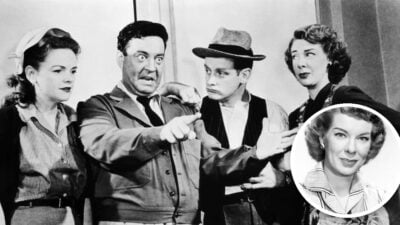
Every couple of months for decades, local stations ran through all of The Honeymooners and then started over again at “TV or Not TV.” Plenty of us could recite the moon speech and the mambo lesson before we were old enough to know what a bus driver earned. “For 30 years they’ve been repeating those 39 Honeymooners episodes,” Jackie Gleason told The Christian Science Monitor in 1985, and he sounded pleased about it.
Those 39 half-hours were supposed to be the first half of a much longer run. Gleason had a sponsor, a network and a contract that called for twice as many episodes, and before the second season was ever filmed, he picked up the phone and ended the whole thing himself. What he said on that call, and what it cost him, explains why the Kramdens lived on Saturday nights for exactly one season.
How Did Buick End Up Paying For Ralph Kramden?
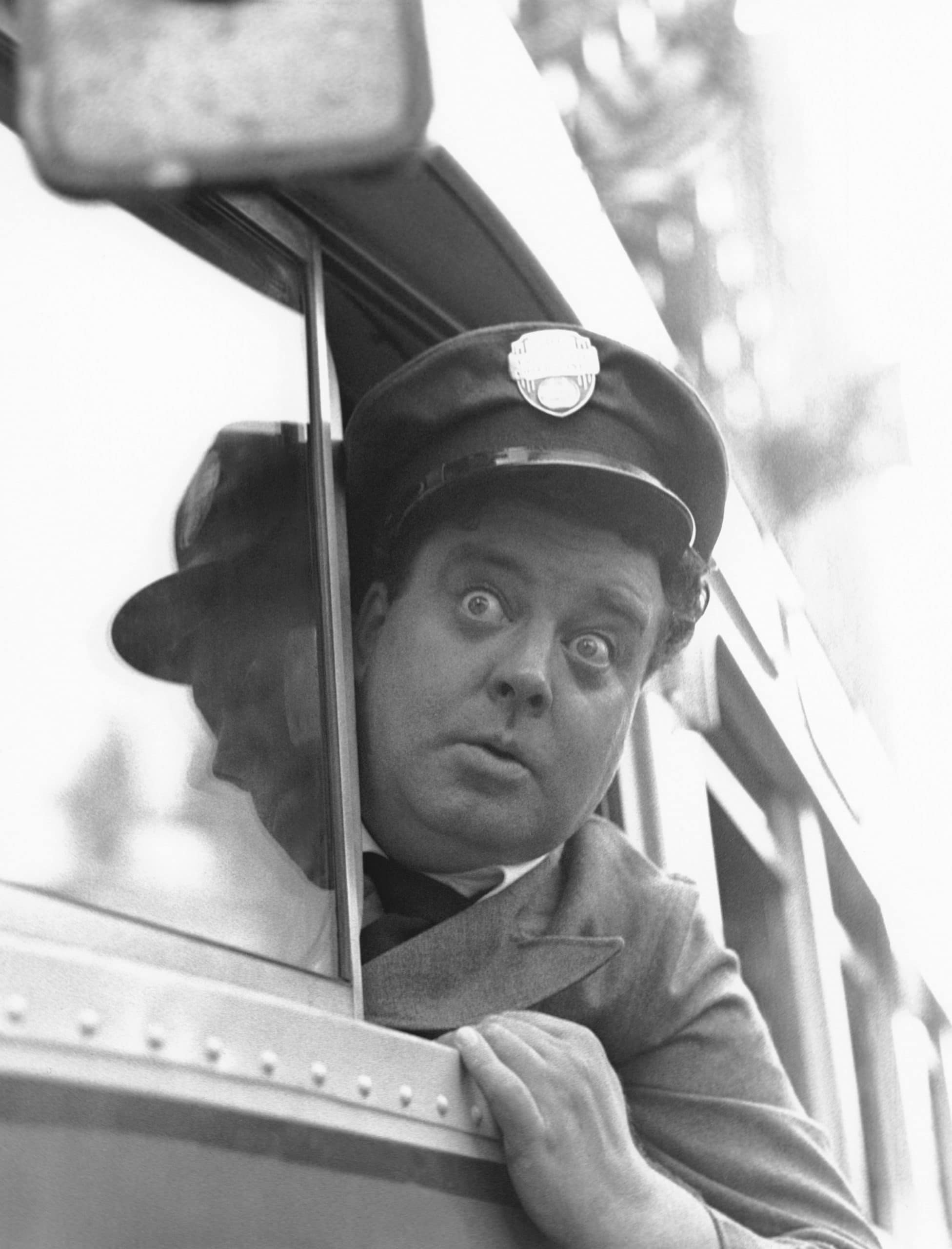
By 1955 Gleason was one of the biggest names at CBS. Ralph, Alice, Ed and Trixie had been a running sketch on his variety hours since the DuMont days, and Buick wanted to own the act outright. The deal that followed was reported at $11 million, one of the largest in television at the time, and it called for 78 filmed half-hour episodes over two seasons, with an option for a third. Gleason was paid about $65,000 an episode in the first year, rising to $70,000, and as The Spokesman-Review has noted, the cost of making the show came out of that money.
The series premiered on October 1, 1955, at 8:30 on Saturday night. Art Carney was back as Norton, Audrey Meadows as Alice and Joyce Randolph as Trixie, and the first episode had Ralph and Norton splitting the cost of a television set. Waiting for them on NBC was Perry Como.
What Went Wrong On Saturday Nights?
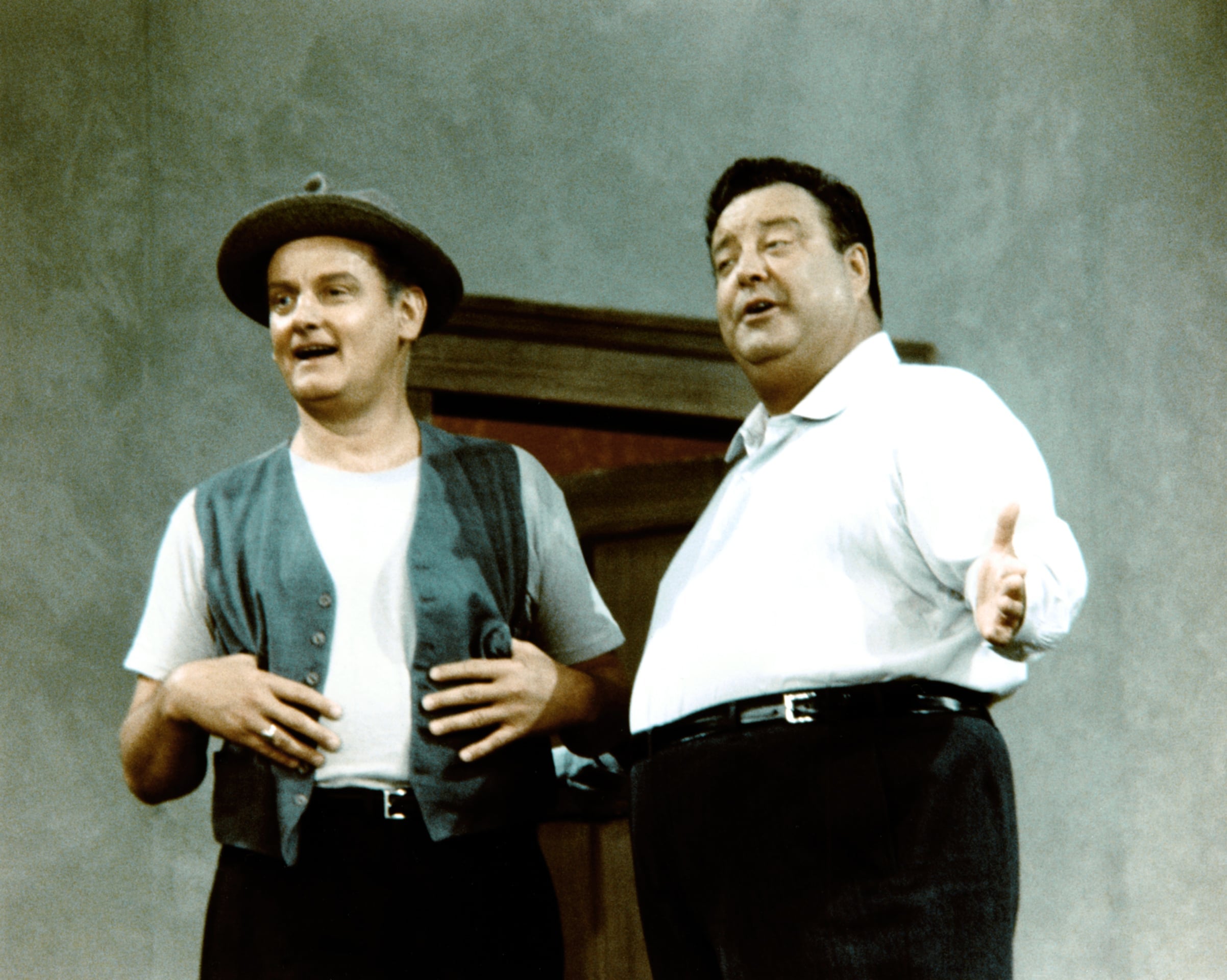
The season before, The Jackie Gleason Show had been the No. 2 program in the country, according to the Television Academy Foundation. The sitcom started strong, but Como’s variety hour pulled viewers away week after week, and CBS moved The Honeymooners to 8:00 in February 1956 without solving the problem. MeTV has written that the Como show took the No. 1 spot Gleason was used to holding. By the end of the season the half-hour had slid to 19th place.
The format was working against Gleason too. In the variety hours a Kramden sketch could run as long as it needed, sometimes 35 minutes or more, and the writers felt hemmed in by a strict half-hour. The Television Academy Foundation’s history of the show says Gleason himself noticed a lack of fresh ideas. He was producing the series as well as starring in it, and the Spokesman-Review described the work as exhausting him.
He still had a full season left on the contract, and a lot of money attached to it.
What Did Gleason Tell Buick?
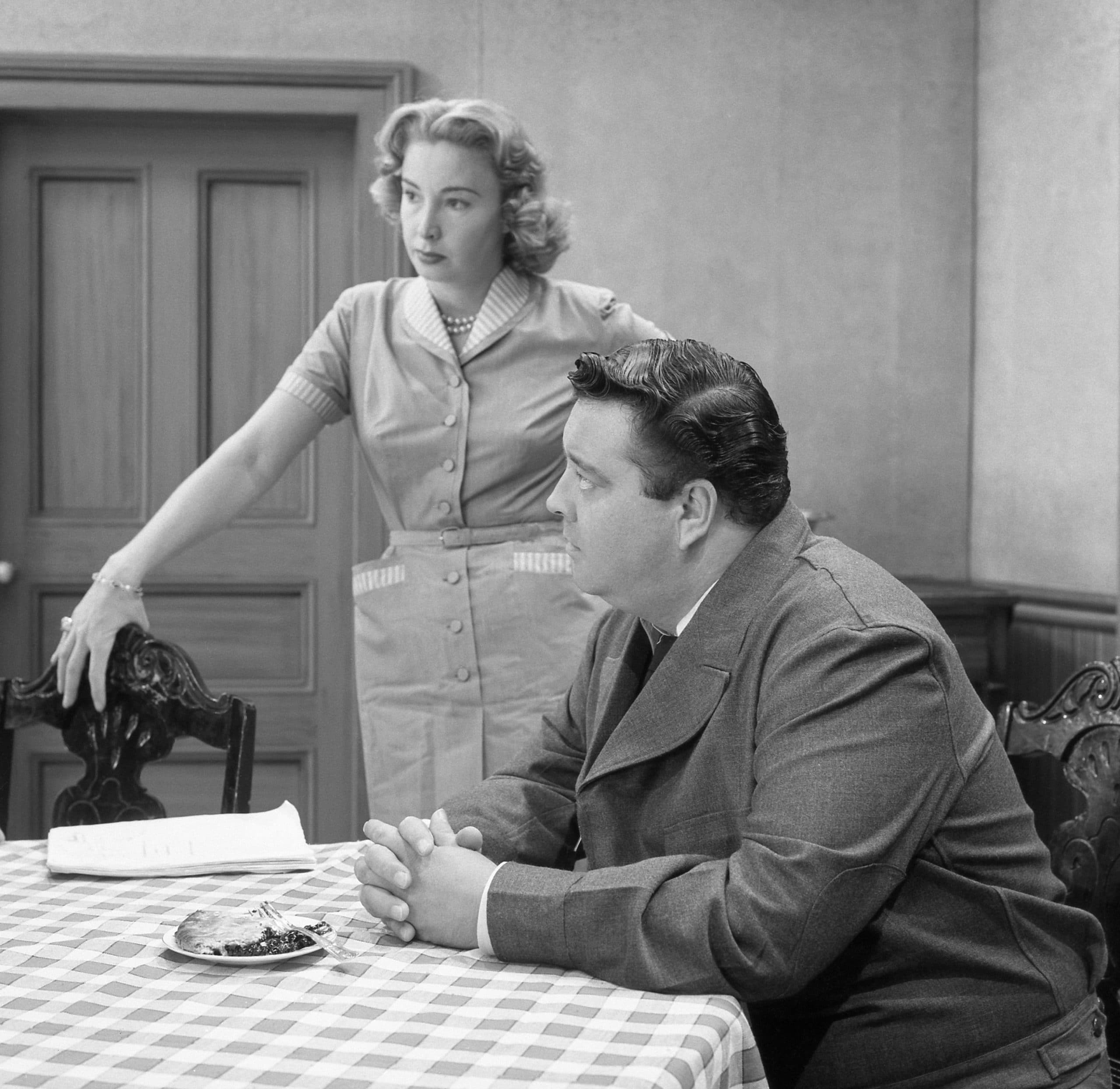
Gleason’s version came out years later in a TIME profile published in December 1961. After 39 weeks, he told the magazine, he called Buick and told them to keep the rest of their $11 million, because it was impossible to maintain good material at that pace. According to Showbiz Cheat Sheet, he put it this way in a later interview: “I knew what we were doing was good. And that’s why I quit doing it. Because I didn’t think we could sustain the quality of it.” He gave Johnny Carson the same answer on The Tonight Show years later: “If we had gone any further, we might have spoiled it.”
Gleason and CBS agreed to end the sitcom, and he went back to the variety hour he knew best. The 39th and final original episode, “A Man’s Pride,” aired on September 22, 1956, with Ralph bragging to Alice’s old boyfriend that he ran the bus company. One week later, on September 29, The Jackie Gleason Show was back on CBS. Gleason later sold the films of the 39 episodes to CBS for $1.5 million, and the network’s reruns turned them into the “Classic 39” that so many of us grew up on.
Walking away from the sitcom did not mean walking away from Chauncey Street, though.
Did Ralph And Alice Ever Come Back?
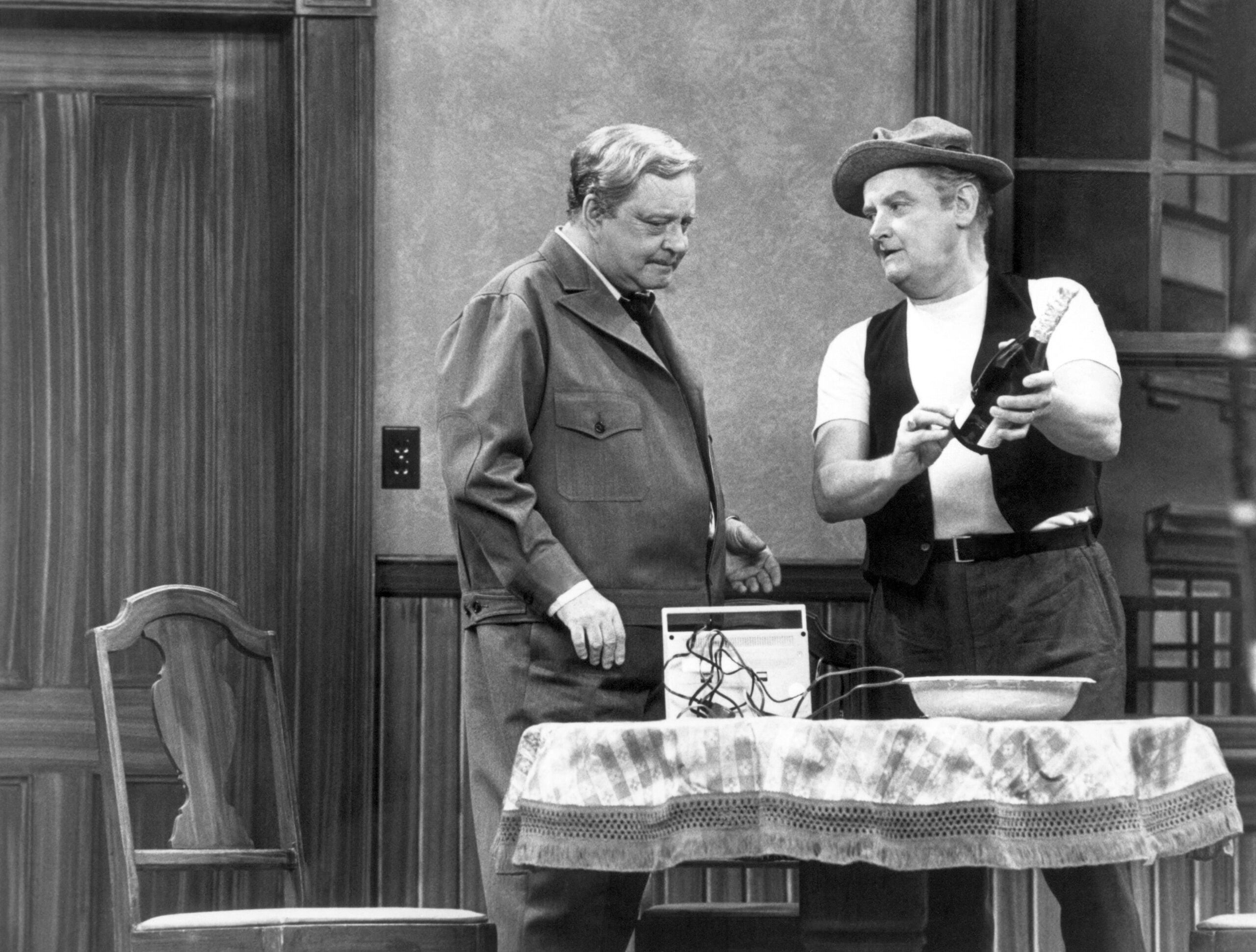
They came back almost right away. Kramden and Norton sketches returned inside the revived variety hour that fall, including a run of full-hour musical episodes that season. A decade later, after Gleason moved his show to Miami Beach, The Honeymooners returned in color as hour-long musicals, with Carney as Norton and Sheila MacRae and Jane Kean as Alice and Trixie. TIME reported in October 1966 that Gleason had announced his retirement and then signed an $8 million deal with CBS for one more season. “Why should I quit,” he asked the magazine, “when I can get a laugh on ‘Aw, shut up!'”
CBS canceled the variety hour in February 1970, but the Kramdens kept turning up. Gleason, Carney, Meadows and Kean made four one-hour Honeymooners specials for ABC between 1976 and 1978. Then in 1985 Gleason revealed that he had kept kinescopes of dozens of the old live sketches in a vault in Florida. Edited into half-hours, those “lost episodes” premiered on Showtime and in syndication. You can read what became of Carney’s own shot at a series in the story of Norton’s spin-off that never happened, and who outlived whom in our look at the full Honeymooners cast.
Gleason died on June 24, 1987, at 71, and the half-hours he stopped making in 1956 have never really left the air since. When the Christian Science Monitor asked him in 1985 why they had lasted, he gave a short answer. “‘The Honeymooners’ has lasted because, first, it is funny,” he said. “And second, because the audiences like the people. Each generation catches on to them.”


 Judy Garland’s 3 Children Are All Grown Up, And Her Only Son Chose Life Behind The Camera