

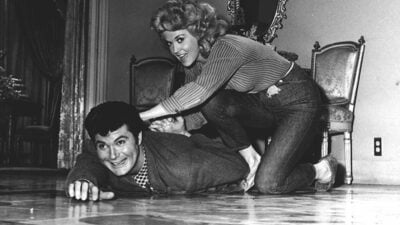
On the evening of March 23, 1971, Buddy Ebsen put on Jed Clampett’s battered hat one last time for an episode called “Jethro Returns,” and nothing about it said goodbye. Max Baer Jr., then 33, had been Jethro Bodine since the very first episode, and the half hour ended like hundreds before it. It had been filmed as just another week, and CBS never gave the show a chance to shoot an ending.
The Beverly Hillbillies had been the No. 1 show in America in its first two seasons, and it went out after nine years and 274 episodes with millions of people still tuning in. The network’s reason had very little to do with how many of them were watching, and it took four other country favorites down in the same spring.
How Big Was ‘The Beverly Hillbillies’ When CBS Pulled The Plug?
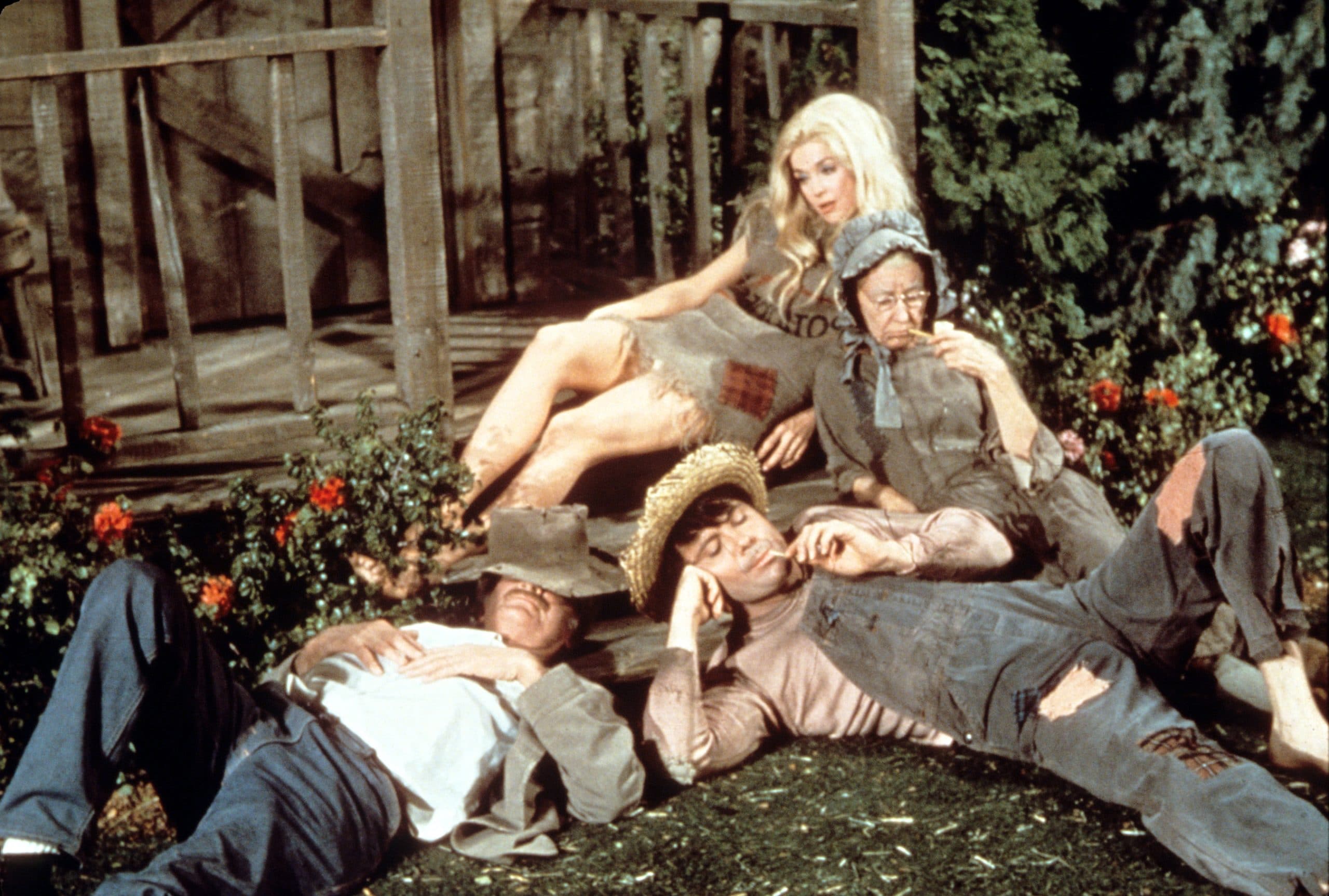
When the Clampetts struck oil and loaded up the truck on September 26, 1962, critics sneered and viewers came running. “The Giant Jackrabbit,” the January 8, 1964 episode in which Granny mistakes a kangaroo for an oversized rabbit, became the most-watched half hour of television up to that time, and it still holds that record for a sitcom episode.
The numbers cooled over the years, but the Clampetts never collapsed. Nielsen had the show at No. 10 in 1968-69 and No. 18 in 1969-70, still a top-20 hit. For its ninth season, CBS moved it from Wednesday nights to an early 7:30 slot on Tuesdays, and it slipped out of the top 30 for the first time. The shows canceled alongside it make clear the axe was not about ratings alone.
What Was CBS’s ‘Rural Purge’?
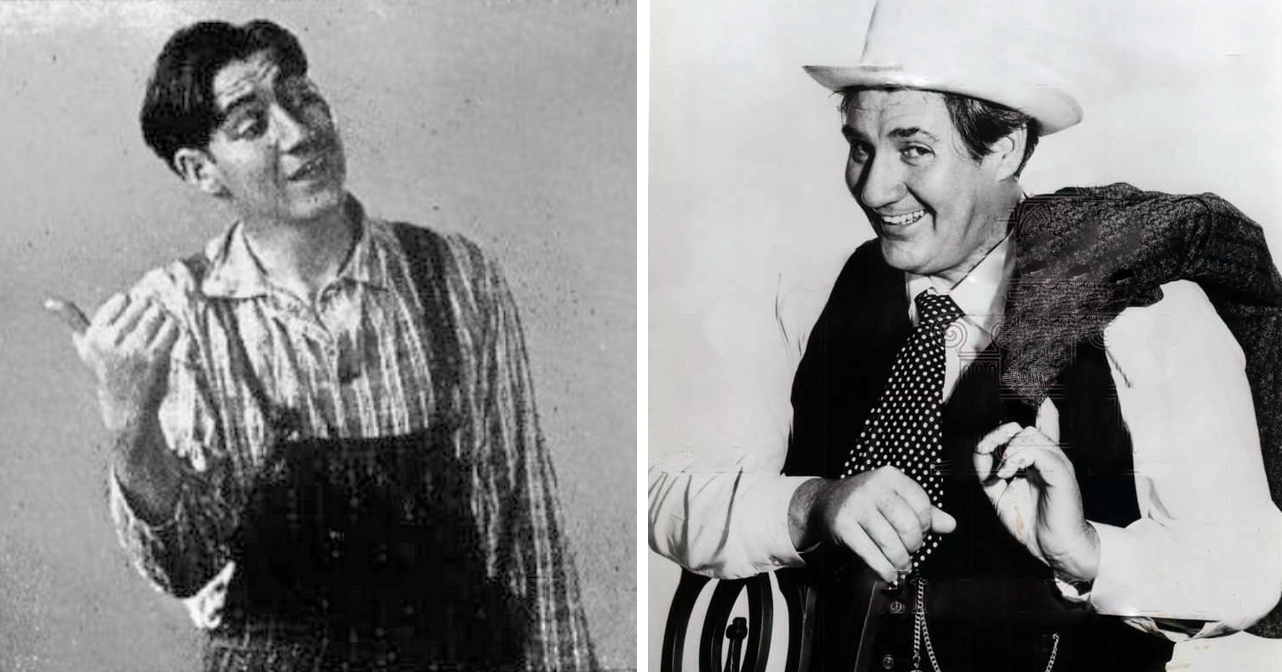
The change started at the top of the network. Robert Wood, who became president of CBS Television in 1969, wanted younger city viewers, the 18-to-49-year-olds advertisers paid the most to reach. Fred Silverman took over the schedule from longtime programming chief Mike Dann in 1970. The Television Academy later described the result plainly: “Gone overnight were those cornpone cornerstones.” Newspapers called it the “de-ruralization” of CBS, and history remembers it as the rural purge.
Petticoat Junction had already ended its run in April 1970. In the spring of 1971, The Beverly Hillbillies went, and so did Green Acres, whose last episode aired on April 27. Mayberry R.F.D. was canceled while sitting at No. 15 in the ratings, and Hee Haw was dropped at No. 16. Lassie went too, and both it and Hee Haw moved straight into syndication, and as we noted in our look at the surviving Hee Haw cast, that cornfield kept taping in Nashville until 1993.
Pat Buttram, who played the fast-talking Mr. Haney on Green Acres, is credited with the line that has followed the purge ever since. Versions differ in the retelling, but the best known is that it was the year CBS canceled everything with a tree in it, “including Lassie.” Paul Henning himself repeated the wisecrack years later and gave Buttram the credit. Henning had reason to remember it, because all three of the country shows he created were gone within about a year.
What Did Buddy Ebsen And The Clampetts Say?
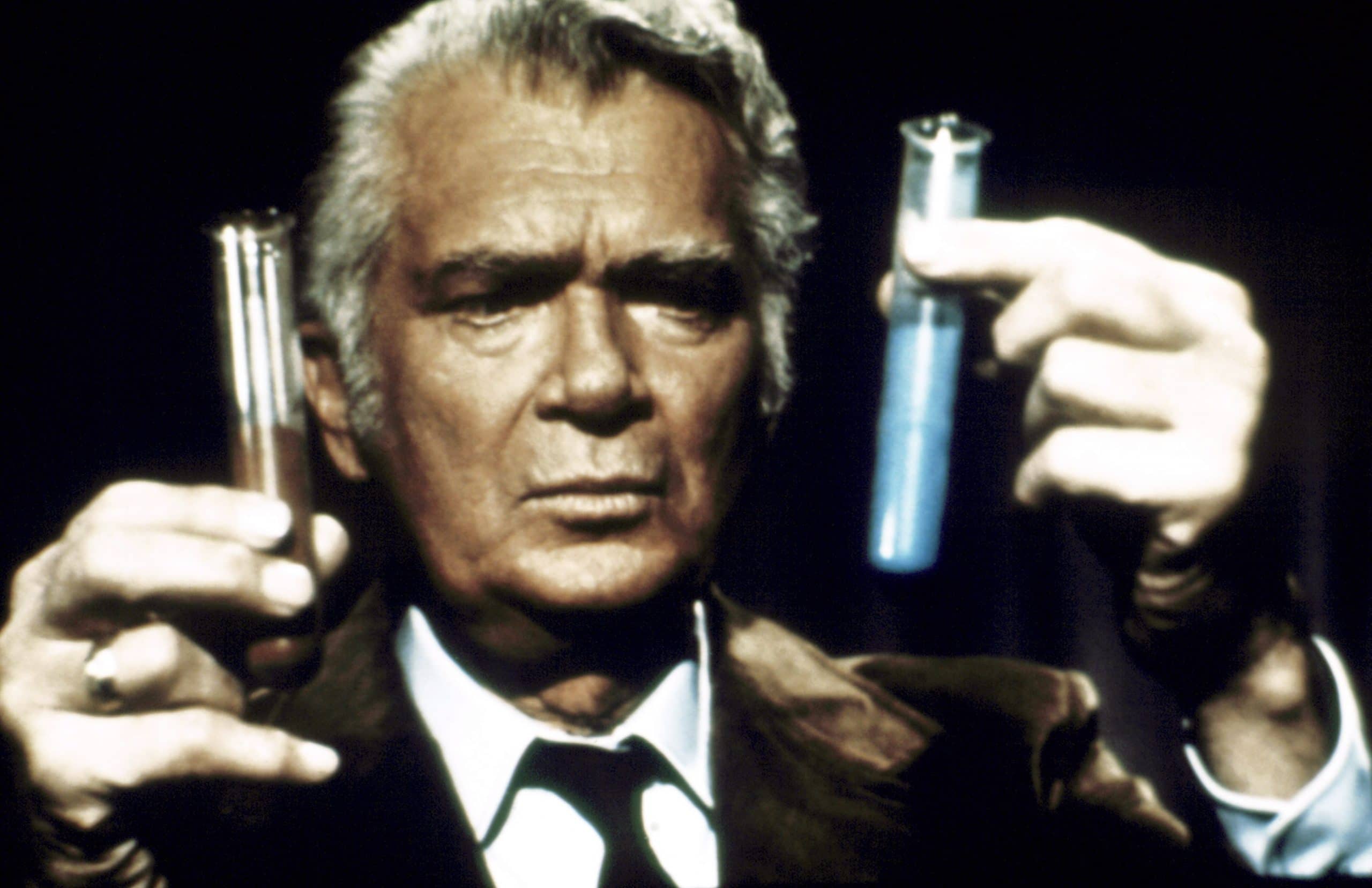
Ebsen was 62 when the show ended, and he did not take it quietly. “I didn’t like Silverman for a while (when the show was canceled in 1971), but when he picked up Barnaby Jones, I liked him again,” he said, as MeTV later recounted. The milk-drinking detective ran for eight seasons starting in 1973, on the very network that had sent Jed home.
The landing was much harder for Max Baer Jr., who had spent nine seasons as Jethro. “After The Beverly Hillbillies ended, I couldn’t even get a job,” he told the Copley News Service. “I did two Love American Style‘s and a Movie of the Week, and that’s all.” His marriage was ending at the same time, a stretch we covered in our story on why Max Baer Jr. never had children.
Irene Ryan went the other way and found a second act on Broadway. As Berthe in Pippin, she stopped the show with “No Time at All” and earned a 1973 Tony nomination. She suffered a stroke during a performance that March and died on April 26, 1973, at 70. Donna Douglas, meanwhile, was choosy about what came next. “I was offered to do a nighttime soap after The Beverly Hillbillies,” she said in the book Glamour, Gidgets, and the Girl Next Door. “I wanted to do a certain caliber of work and didn’t want to do garbage.” She turned to gospel singing instead.
What Paul Henning Said About Losing His Show

Henning, the Missouri-born writer who drew on his own boyhood for the Clampetts, gave his side to the Television Academy Foundation in a September 4, 1997 interview. He did not even hear the news directly. “I don’t know how the news got to me that the shows were canceled,” he said, and he pointed to a change in leadership, noting that “Jim Aubrey was no longer in charge of programming.” Aubrey, the CBS president who put the Clampetts on the air, had championed them.
What stung most was the way it was done. “All the rural shows seemed to be lumped together and pushed over the falls,” Henning told the Television Academy. The Clampetts did get one more trip. In 1981, Ebsen, Douglas and Nancy Kulp returned for the TV movie Return of the Beverly Hillbillies, with Imogene Coca stepping in as Granny’s 100-year-old Maw, since Irene Ryan was gone. Baer declined, and Jethro was recast.
Ebsen died in 2003 at 95, and Douglas died on January 1, 2015, at 82. That leaves Max Baer Jr., now 88, as the last of the original Clampetts, still living at Lake Tahoe more than half a century after CBS decided the trees had to go. Henning, who died in 2005, had wanted one more season to make it an even decade. “Life can’t all be four-leaf clovers,” he said, “and I was hoping for ten years.”


 Olivia Newton-John’s Only Daughter Is All Grown Up And Saying Goodbye To Something Her Mom Started