

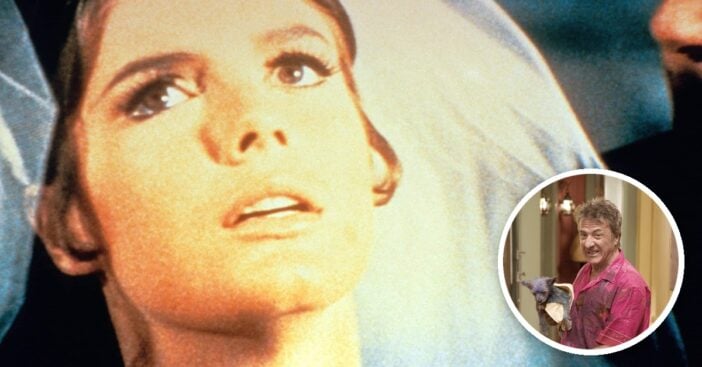
Few movie endings have started more arguments than the last two minutes of The Graduate. Benjamin Braddock, played by Dustin Hoffman, bangs on the glass of a Santa Barbara church and fights his way out with a cross, before escaping with Elaine Robinson (Katharine Ross) still in her wedding dress. The two of them tumble onto the back seat of a city bus, breathless and grinning, and then the grins slowly drain away while Simon & Garfunkel sing on the soundtrack. Since 1967, viewers have been asking the same question on the way out of the theater: do they regret it?
The short answer is that the film never tells us, and nobody who made it ever claimed it did. But the novelist who invented Benjamin and Elaine wrote them a future, Katharine Ross gave a wry answer of her own, and director Mike Nichols had a reply he repeated for years. His was the least romantic of the three.
Was The Bus Ride Ever Meant To Be A Happy Ending?

Charles Webb was 24 when his novel The Graduate came out in 1963, and he built it from his own Southern California upbringing and his years at Williams College, as the Associated Press noted when he died in 2020. In the book, Benjamin reaches the church before the ceremony is finished, punches Mr. Robinson, fights off the groom with a cross and flees with Elaine on the nearest bus. On the page, it reads like a rescue.
Nichols changed one detail, and it changed the whole meaning. Sitting by a pool in Jamaica before filming, he asked himself, “Wait a minute. Why doesn’t he get there after the wedding? Why should it be all neat and clean? It isn’t in real life,” as The Globe and Mail recounted in a 2007 look back at the film. So in the movie, Benjamin arrives too late, after Elaine has already married Carl, and she leaves anyway. Even then, the script still called for a simple, sweet last beat on the bus. What ended up on film was something nobody had written.
What Really Happened When The Camera Kept Rolling?

The planned finish was short. According to The Globe and Mail, Elaine was to say “Benjamin,” he would answer “What?” and she would kiss him as the bus pulled away. The day they shot it, though, Nichols was under pressure. He told the story himself at a 2003 Directors Guild screening of the film, sitting beside Steven Soderbergh for the DGA‘s “Under the Influence” series.
“Look, we’ve stopped traffic for miles and we have a police escort and I cannot do this over and over and over,” he remembered telling his two young stars, and then he asked them to “just get on the bus and laugh, OK?”
“And they looked at me terrified,” Nichols said. “They looked very unhappy and terrified because I had terrified them.”
Ross remembered the same moment from the back seat. “You are always told you just keep going in a scene until the director says ‘cut,'” she told the San Francisco Chronicle. “Well, Mike didn’t say it for the longest time. We ran out of dialogue, but the camera kept running.”
When Nichols watched the dailies the next morning, he knew what he had. “Look at this. It’s the end of the movie!” he told the DGA audience. The two faces on that bus were real nerves, caught on film, and he was about to make them even harder to read with one piece of music.
Why Does “The Sound Of Silence” Come Back At The Very End?

The Simon & Garfunkel songs were never supposed to be the score. Nichols and his editor, Sam O’Steen, first cut scenes to existing Simon & Garfunkel records to find the rhythm, as Mark Harris documented in his book Pictures at a Revolution, and Nichols eventually decided to keep them. “It wasn’t until we laid Simon & Garfunkel’s ‘The Sound of Silence’ over it that we knew the scene worked,” he told Time Out in 2012, talking about the film’s famous summer montage.
The song first plays at the very beginning, over Benjamin gliding alone down an airport moving walkway with a blank look on his face. It returns as the bus pulls away and carries on into the closing credits, so the young man who started the movie adrift and silent ends it beside the girl he fought for, with nothing left to say. The most popular fan reading, and it is only a reading, holds that the marriage was doomed from the moment the music started again. The man who created the characters, though, eventually put a very different answer in print.
Did Charles Webb Ever Tell Us What Happened Next?
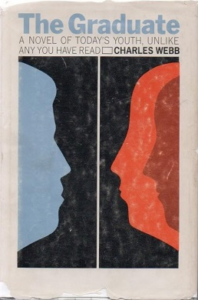
He did, and he nearly kept it to himself. Webb wrote a sequel called Home School, but when he sold the film rights to The Graduate in the 1960s, he had also signed away the rights to its characters. The studio’s rights holder, Canal+, could have filmed any follow-up without his say, so for years he refused to publish it. Money troubles finally changed his mind, and Hutchinson released the book in Britain in June 2007, four decades after the movie opened. An American edition followed in January 2008.
The story picks up about a decade later. Benjamin and Elaine are married and living in Westchester County, New York, raising two sons, Jason and Matt, and battling the local school district over their right to teach the boys at home. Then Mrs. Robinson flies in from California, which “creates understandable tension between Benjamin and Elaine,” as Kirkus Reviews put it. The critic was not overwhelmed, calling it “a bit of fluff sure to satisfy those clamoring for a Graduate sequel,” and Hollywood never made it into a movie.
Webb died in Eastbourne, England, on June 16, 2020, at 81. In his telling, Benjamin and Elaine made it. The director never bought the happy version.
What Did Mike Nichols Say Became Of Benjamin And Elaine?
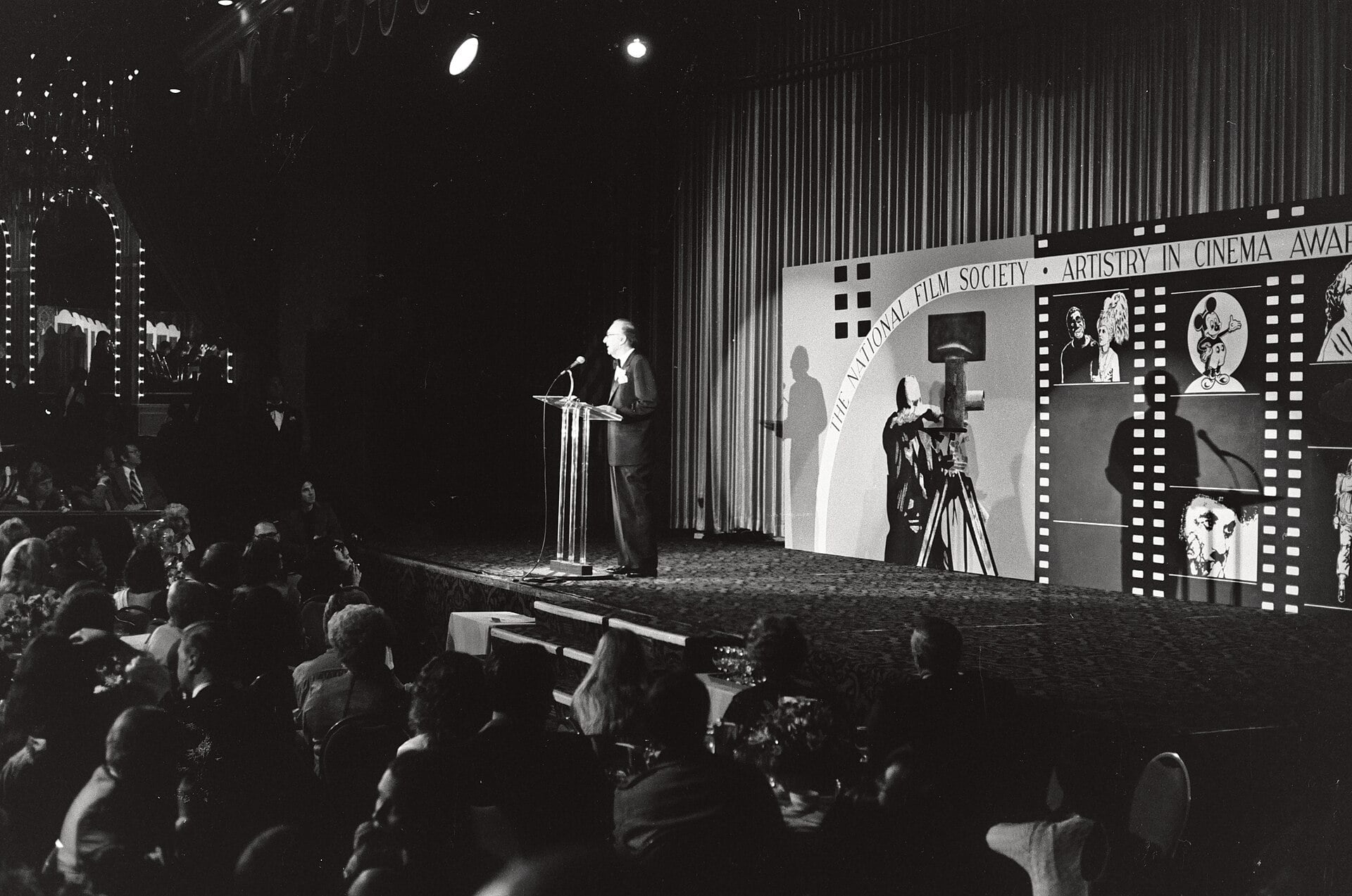
Nichols was asked the question for the rest of his life, and his answer barely changed. When college students wanted to know what happens to the couple after the bus, he told them, “They become their parents,” according to PBS’s American Masters. Hoffman remembered the same reply on the 40th anniversary DVD commentary he recorded with Ross in 2007. As The Globe and Mail reported, Hoffman recalled Nichols answering, cynically, “They turn into their parents.” For a film about a young man terrified of becoming his parents, it was as dark a verdict as he could give.
Ross, for her part, landed somewhere close to Nichols. Asked by the San Francisco Chronicle what she thought became of Elaine, she said, “What do I think? I think Elaine got off at the next stop.” She and Hoffman are two of the few stars of the film still with us, as our look at ‘The Graduate’ cast’s surviving stars explains. Ross is 86 and has been married to Sam Elliott since 1984, and Nichols died in November 2014 at 83.
Nichols never claimed he planned those fading smiles. “Some part of me knew better than I did,” he told the DGA audience in 2003. Hoffman, now 89, revisited the film at the Karlovy Vary International Film Festival in July 2026, and he seemed to understand what that last shot was getting at. “I don’t think we know who we are when we are in our early 20s,” he said, as The Prague Reporter and The Hollywood Reporter both noted. “The idea is that we spend years trying to find out who am I, and I think I’m still trying to find out.”