

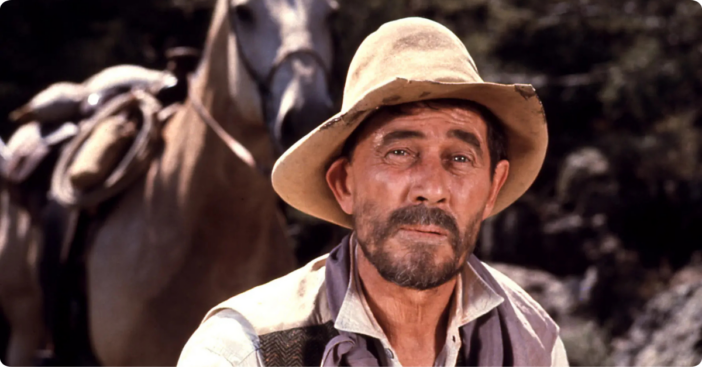
Some actors spend years trying to escape the character that made them famous. Ken Curtis saw things differently. After finding a role that audiences loved on Gunsmoke, he had little interest in walking away simply because viewers strongly associated him with Festus Hagen.
According to MeTV, Curtis stayed with the hit Western for 11 years and openly expressed gratitude for the opportunity. Rather than worry that Festus might define his career forever, he believed actors should appreciate a successful role while audiences still wanted to see them.
Ken Curtis Had Little Sympathy for Typecasting Complaints

Curtis made his feelings clear when discussing performers who feared becoming too closely identified with one character. He argued that an actor who leaves a show despite having a role perfectly suited to them would be making a foolish decision. His own plan reflected that philosophy: stay with Gunsmoke for as long as producers wanted him.
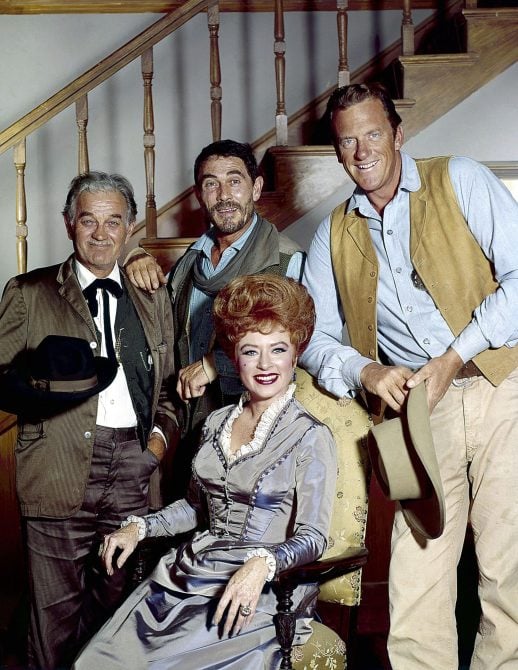
He took an even tougher stance toward actors who complained about typecasting. Curtis suggested that many of them had not enjoyed much recognition before landing the part they later wanted to escape. In his view, performers needed to make the most of success while they could still attract an audience instead of worrying too much about what might come afterward.
Festus Gave Him the Kind of Success He valued

That practical outlook fit Curtis’ approach to his own career. He did not treat his long run as Festus as something that trapped him. Instead, he saw Gunsmoke as one stage of a larger journey and hoped to pursue additional film work once his time on the series eventually ended. He even considered the possibility of retiring if he had saved enough money by then.
For generations of Western fans, however, Festus remained one of Curtis’ defining roles. His willingness to embrace that association makes his old comments feel especially fitting today. While many performers have spent decades trying to distance themselves from famous characters, Ken Curtis seemed comfortable with the idea that a beloved role could become part of an actor’s identity. To him, earning a place on one of television’s biggest shows was not a creative burden. It was good fortune worth holding onto for as long as possible.