

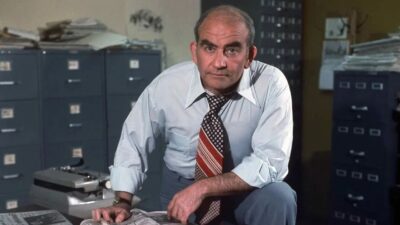
Ed Asner would have turned 97 this Sunday, November 15. Born that day in 1929 in Kansas City, Missouri, he spent more than half a century playing gruff men with soft centers before he died at his home in Tarzana, California, on August 29, 2021, at 91. His children announced it on his official Twitter account with a note that ended, “Goodnight dad. We love you.”
Most of us remember him as Lou Grant, first in the newsroom at WJM and then at a Los Angeles paper in a drama that carried his name. That second show ended in 1982 under a cloud that never really lifted. CBS gave one reason for pulling it, and for the rest of his life Asner gave another.
How Did Lou Grant Go From Sitcom Boss To Serious Drama?

Asner was hired in 1970 to play Mary Richards’s boss on The Mary Tyler Moore Show, and he made his mark in the very first episode. “You’ve got spunk,” Lou told Mary, before adding, “I hate spunk!” He stayed for all seven seasons and won three Emmys for supporting actor in a comedy along the way, a run we looked back on in our story on the surviving cast of The Mary Tyler Moore Show.
When that show signed off in 1977, CBS did something unusual with its loudest character. It moved Lou to Los Angeles, made him city editor of the Tribune and turned him loose in an hourlong drama. Lou Grant premiered on September 20, 1977, and it tackled stories most of television avoided. Over five seasons and 114 episodes it won 13 Emmys, including Outstanding Drama Series twice, along with a Peabody Award. Asner won two Emmys for lead actor in a drama, which made him one of the rare actors honored for the same character in both a comedy and a drama.
By the fall of 1981 the show was still winning respect, and its star had just taken on a second job that would put him in headlines of his own.
What Did Ed Asner Say That Caused Such A Storm?

In November 1981, Asner became president of the Screen Actors Guild. A few months later, in February 1982, he went to Washington, D.C., with a group raising money for medical aid in El Salvador, where a civil war was raging between the U.S.-backed government and leftist rebels. He did not pick his words carefully. “I stepped out to complain about our country’s constant arming and fortifying of the military in El Salvador, who were oppressing their people,” he later told the Associated Press.
He had kept quiet about politics for years, he explained in a 2002 interview, because he had started out during the McCarthy era and feared the blacklist. A film about the Salvadoran government’s cruelty, made by a nun, was what finally pushed him to speak. The reaction was fierce. Charlton Heston and others accused him of making un-American statements and misusing his union post, and conservative critics called for boycotts of CBS and of the sponsors who paid for Lou Grant. Some advertisers did pull out. “We even had bomb threats at the time,” Asner recalled to the AP. “I had armed guards.”
That spring, with the controversy still boiling, CBS sat down to build its fall schedule.
Why Did CBS Say It Canceled ‘Lou Grant’?
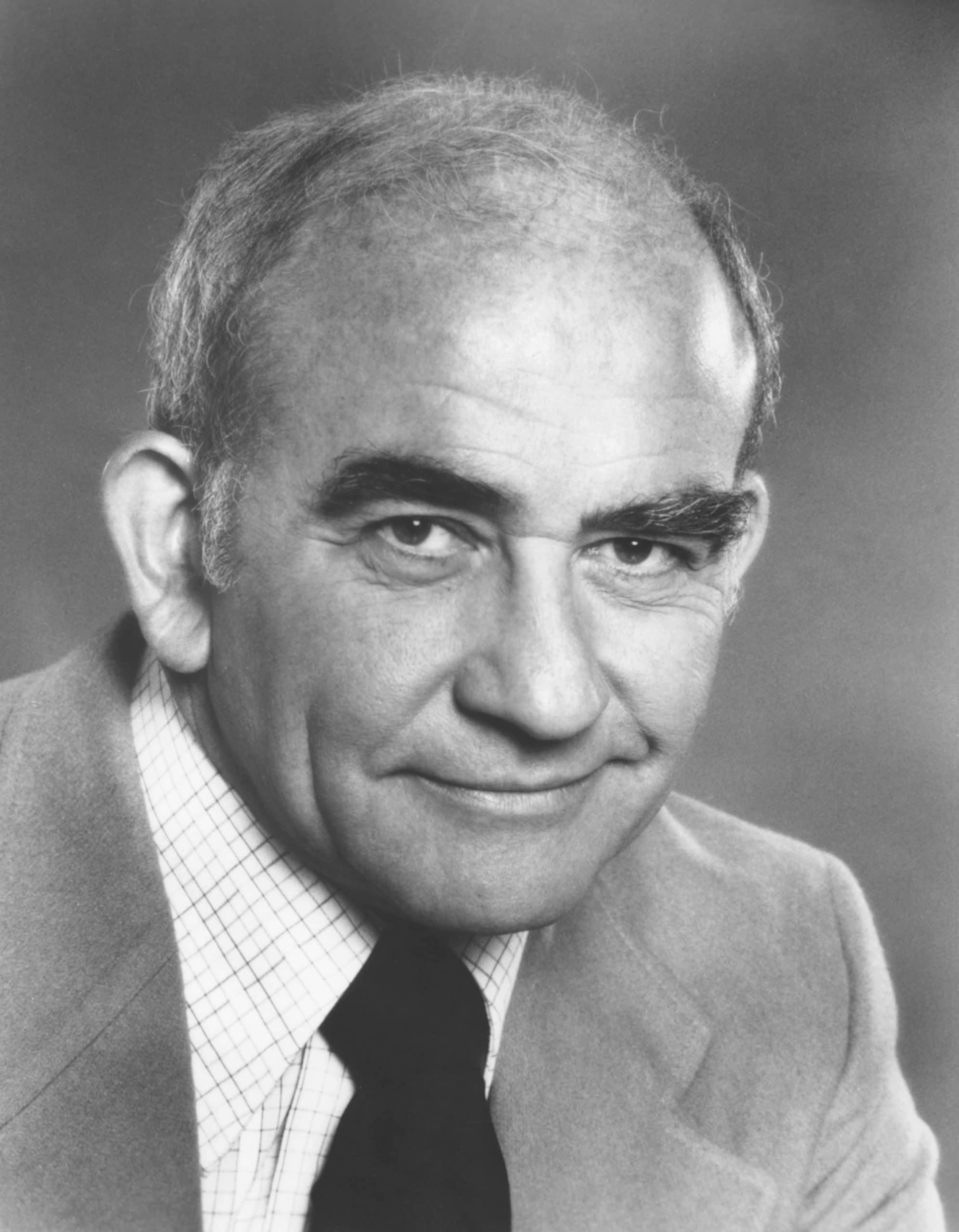
In May 1982, CBS announced that Lou Grant would not return. The network’s explanation was simple: the ratings had slipped. That part was true as far as it went. By the Nielsen numbers, the show had averaged a 19.6 rating over the three seasons before, and it dropped to a 16.6 in its fifth year, finishing 43rd among prime time series.
Asner never denied the slide. He argued about why it happened. As TVLine recounted, he told The New York Times in 1982 that the network had given the show no help at all. “This was with no promotion,” he said, adding that it had faced “very, very stiff specials thrown against us.” The final episode aired on September 13, 1982, and the man who had played Lou Grant for 12 straight years was suddenly without a series.
So if ratings were only part of the story, what did Asner believe was the rest?
What Did Ed Asner Believe Really Ended ‘Lou Grant’?

He believed it was his politics, and he said so for nearly 40 years. Late in life he told Jacobin that Heston had “made all kinds of slurs and innuendos about my response,” and that a television commentator spent three nights describing him as a danger to the country. CBS, for its part, always insisted politics had nothing to do with it. The fight followed him through the rest of his time at the guild, and he chose not to run for a third term as SAG president in 1985.
What stung most was not his own lost paycheck. “I carry great guilt about the loss of jobs by my fellow actors, writers, producers, crew,” he told the Huffington Post in 2016, when he was 86.
His career did come back, and in ways nobody expected. He finished his run with seven Primetime Emmys, more than any other male performer, including wins for Rich Man, Poor Man and Roots. He played Santa Claus opposite Will Ferrell in Elf in 2003, and in 2009 he gave his voice to Carl Fredricksen, the grieving widower who ties balloons to his house in Pixar’s Up. Even then he worried about the phone ringing. “I never get enough work,” he told the AP that year. “It’s the history of my career.”
He kept taking roles into his 90s, and whenever someone asked about Lou Grant, he gave the same answer he had given in 1982. The show, he said, was never really about the ratings.


 Kevin Bacon’s Kids Are All Grown Up, And Son Travis Took A Very Different Road Into Show Business