

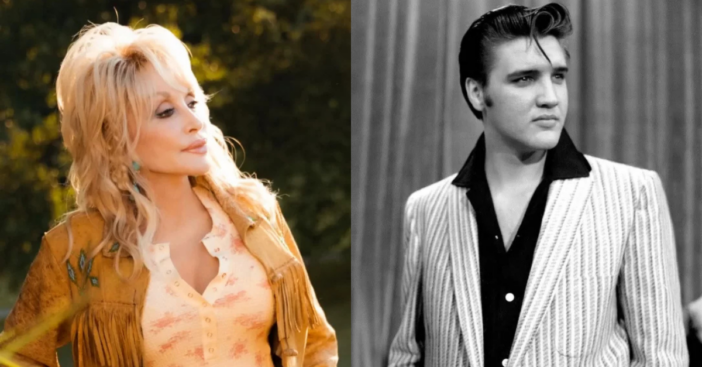
Dolly Parton spent decades proving that she was more than a country music superstar. Behind the rhinestones and unmistakable voice was a songwriter who understood the value of owning her work, even when protecting it meant saying no to one of the biggest names in entertainment.
According to Fortune, one decision in particular showed just how sharp her instincts were. The Dolly Parton Elvis story began when Elvis Presley wanted to record “I Will Always Love You,” but the deal came with a costly condition. Parton walked away rather than surrender part of her publishing rights, a choice that ultimately helped preserve millions of dollars in future earnings.
Dolly Parton’s Elvis Deal Came With a Major Catch
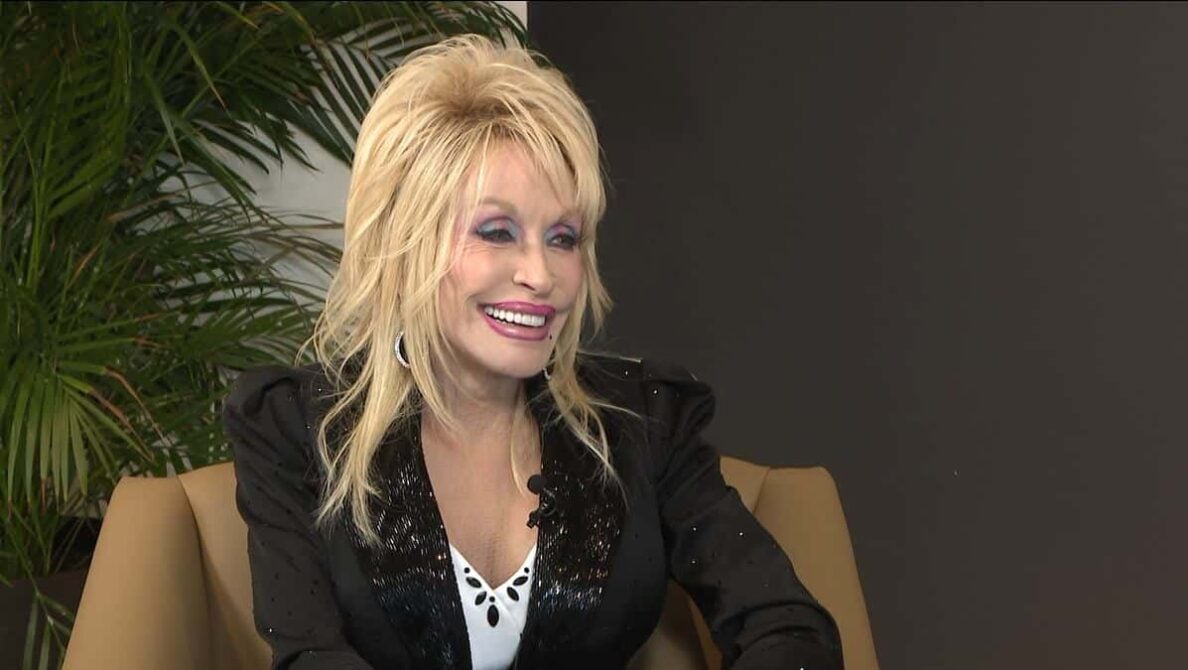
Parton wrote “I Will Always Love You” during an extraordinary period in her career, reportedly on the same day she wrote “Jolene.” By 1974, Presley wanted to record the ballad, something Parton desperately wanted to hear. However, his manager, Colonel Tom Parker, reportedly required half of the publishing rights before Presley would record it.
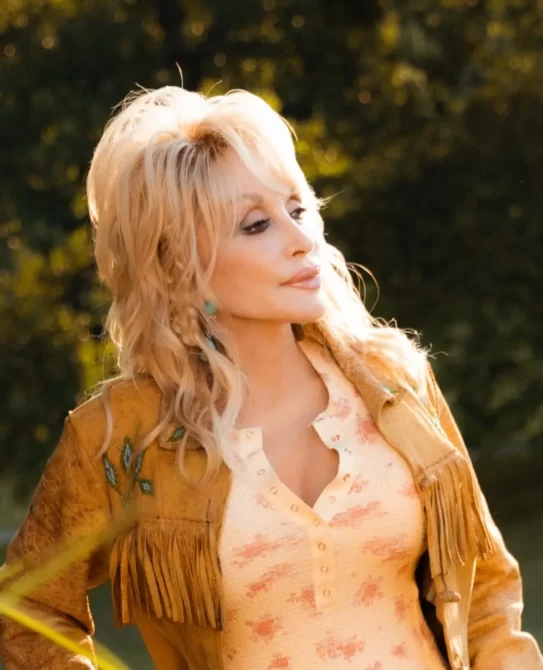
Parton refused. She later admitted that the decision broke her heart and that she cried over losing the opportunity to hear Elvis sing her song. Still, she knew the copyright was too valuable to surrender. Parton had established her own publishing company years earlier, giving her greater control over her catalog and the royalties generated whenever others performed or recorded her music.
Keeping the Song Paid Off in a Huge Way
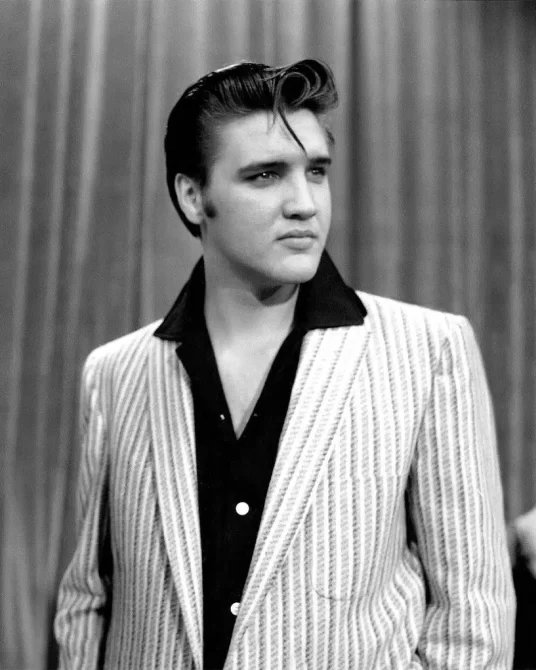
Whitney Houston’s 1992 version of “I Will Always Love You” became a global hit, making Parton’s decision to keep her publishing rights even more valuable. Music ownership later became a major part of her estimated $650 million fortune, alongside Dollywood, acting, touring, and other ventures.
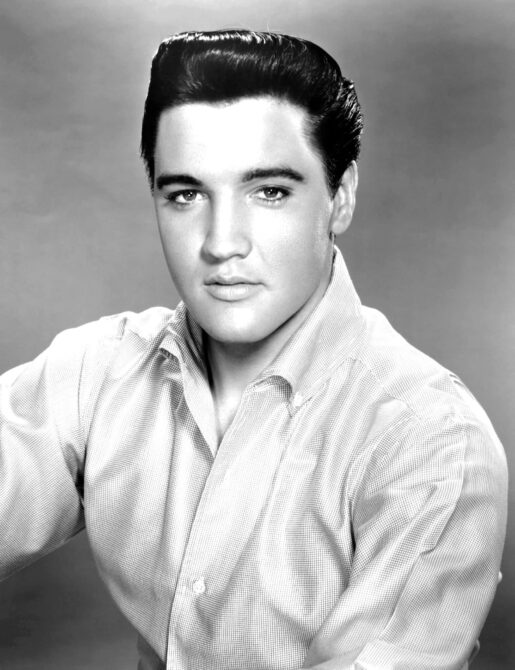
The Dolly Parton Elvis decision reflected a lesson she followed throughout her career: success meant understanding the business behind the music. Saying no to Elvis protected her long-term ownership, helping build the financial success that later supported education, disaster relief, medical research, and scholarships. Decades later, the choice remains a powerful example of how protecting her work strengthened both her career and business legacy.