


Long before streaming services, digital downloads, and viral music trends, Ricky Nelson accomplished something no other artist had done before. In 1958, the teenage singer recorded “Poor Little Fool,” a heartfelt ballad that earned a place in music history by becoming the very first No. 1 song on Billboard’s newly introduced Hot 100 chart.
According to Yahoo Entertainment, the achievement marked a turning point not only for Nelson but also for popular music. While countless songs have topped the Hot 100 since then, “Poor Little Fool” will always be remembered as the record that started it all, helping launch a chart that remains the industry’s gold standard today.
The Song That Changed Music History

Songwriter Sharon Sheeley wrote “Poor Little Fool” when she was only 15 years old, reportedly drawing inspiration from her relationship with Don Everly of the Everly Brothers. The lyrics tell the story of a young man whose first love leaves him heartbroken after making promises she never intended to keep.

Nelson recorded the song when he was just 18, bringing a sincerity and vulnerability that connected with listeners. When Billboard introduced the Hot 100 on Aug. 4, 1958, “Poor Little Fool” claimed the top spot, forever securing its place in music history. The song’s success also proved that teenage performers could dominate the charts alongside more established artists.
From Teen Idol to Rock and Roll Icon
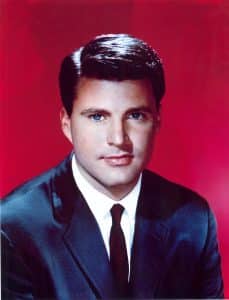
Before recording the history-making hit, Ricky Nelson had already become a familiar face in American homes through The Adventures of Ozzie and Harriet, the hugely popular television series starring his family. His natural charm on screen quickly translated into a successful music career, where he built a devoted fan base with a string of hit singles. Nelson followed with dozens of hit songs, including “A Teenager’s Romance” and “Be-Bop Baby,” before expanding into film with classics like Rio Bravo, proving himself as both a singer and actor.
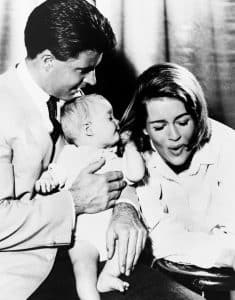
Although his life ended tragically in a 1985 plane crash at the age of 45, his influence has never faded. The Rock and Roll Hall of Fame inducted him in 1987, recognizing a career that helped shape early rock and pop music. Today, Ricky Nelson remains a defining figure of the rock-and-roll era, and “Poor Little Fool” continues to stand as one of the most important recordings in Billboard history.