
Every year on July 4, Americans gather for parades, fireworks, family cookouts, and patriotic celebrations. The date has become synonymous with the nation’s birth, but a fascinating piece of history suggests the story isn’t quite as straightforward as many people believe.
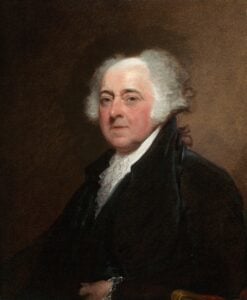
According to Kark, in fact, one of the country’s Founding Fathers, John Adams, was convinced future generations would celebrate America’s freedom on July 2—not July 4. His prediction has puzzled history lovers for centuries and continues to spark conversations every Independence Day.
Why John Adams Believed July 2 Was Independence Day

On July 2, 1776, the Second Continental Congress voted to approve a resolution declaring that the American colonies were free and independent from Great Britain. Adams considered that vote the true moment the nation was born. In a famous letter to his wife, Abigail, John Adams predicted people would celebrate the anniversary forever with parades, games, bonfires, bells, and fireworks.
View this post on Instagram
The resolution itself officially severed political ties with Britain, making July 2 the date when Congress voted for independence. Because of that historic decision, Adams believed Americans would forever recognize that day as the nation’s great anniversary.
Why July 4 became the holiday instead

Although Congress approved independence on July 2, delegates spent the next two days revising the Declaration of Independence, the document written primarily by Thomas Jefferson that explained why the colonies had chosen to separate from Britain. After making several edits, Congress officially approved the final wording on July 4, 1776, and ordered officials to print and distribute copies throughout the colonies.
That document, prominently dated July 4, quickly became the symbol of the nation’s founding. As it spread across America and appeared in newspapers, schools, and history books, July 4 naturally became the date people associated with the country’s birth. Today, Independence Day commemorates both the decision to become a free nation and the Declaration that announced those ideals to the world. While John Adams may have expected Americans to celebrate two days earlier, the meaning behind the holiday remains the same—a celebration of freedom, unity, and one of the most important moments in American history.