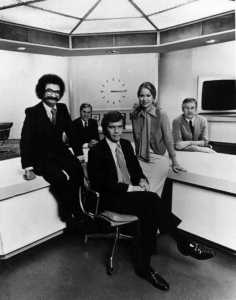

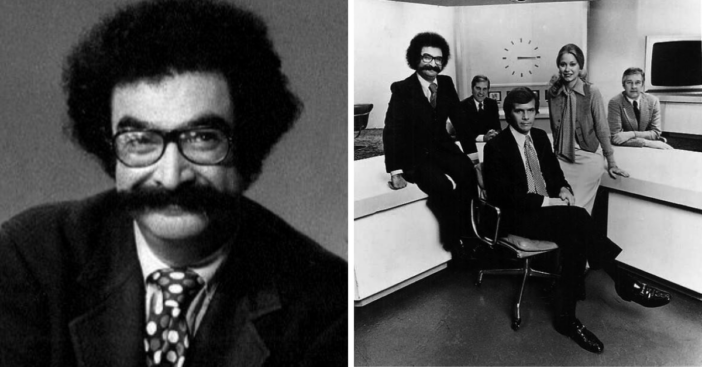
Television has lost one of its most recognizable entertainment personalities. Gene Shalit, the longtime film critic and arts reporter whose distinctive appearance and playful reviews made him a fixture on morning television for decades, has died at the age of 100.
His family announced that he passed away peacefully after what they described as an extraordinary life. For millions of viewers, he was instantly recognizable thanks to his trademark bushy hair, oversized handlebar mustache, and endless collection of puns. More importantly, he helped bring movie criticism into American living rooms during a period when newspaper reviews largely dominated the conversation.
A Pioneer Who Helped Change Entertainment Journalism
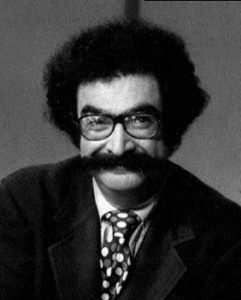
Shalit joined NBC’s Today show as a contributor in 1970 before becoming the program’s arts editor three years later. He eventually became best known for his “Critic’s Corner” segments, where he reviewed films and interviewed some of the biggest stars in Hollywood. By the time he retired in 2010, he was one of the last major network television critics still delivering regular movie reviews.
According to APNews, his influence extended beyond his own broadcasts. Media observers have credited him with helping popularize television-based film criticism at a time when most audiences relied on newspapers and magazines for reviews. As his popularity grew, other networks and programs began introducing their own movie critics, helping transform the way audiences discovered and discussed films.
His Humor Made Him Impossible To Forget
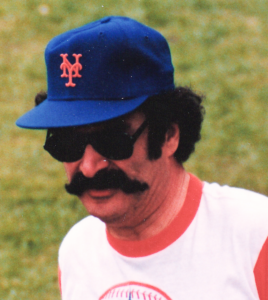
While many critics focused on serious analysis, Shalit became famous for combining reviews with humor. His love of puns became legendary, whether he was praising a movie or delivering a clever critique. Viewers often tuned in as much for his wordplay as for his opinions, making him one of the most entertaining critics on television.
The Gene Shalit legacy also includes countless memorable interviews and pop culture appearances. He was parodied on Saturday Night Live, appeared on shows such as Sesame Street, Family Guy, and SpongeBob SquarePants, and remained a familiar face to generations of television viewers. Although his distinctive style was sometimes imitated, it was never duplicated. With his passing, the entertainment world says goodbye to a critic whose wit, personality, and unique approach helped shape television journalism for more than four decades.