

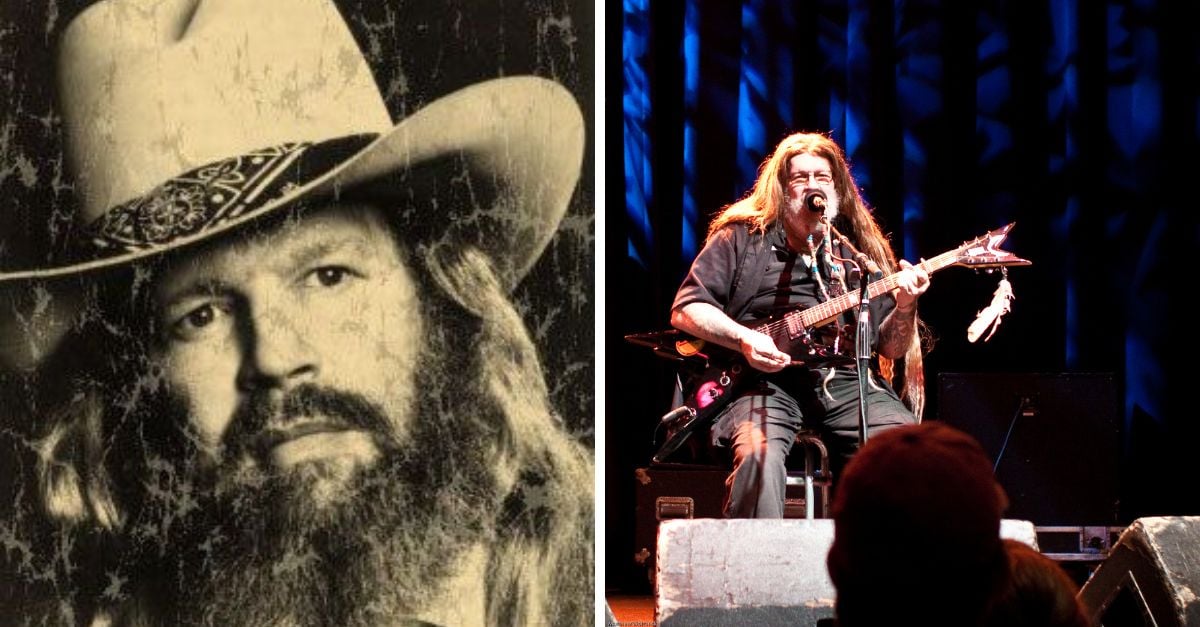
- David Allan Coe died on April 29, 2026, at age 86; he passed away in intensive care, though an official cause of death was not disclosed.
- He was a key figure in outlaw country, known for songs like “The Ride,” “Longhaired Redneck,” and “You Never Even Called Me by My Name.”
- He also wrote major hits for others, including Johnny Paycheck’s No. 1 “Take This Job and Shove It,” cementing his legacy as both a performer and songwriter.
It has been reported that David Allan Coe, the outlaw country singer and songwriter known for “Take This Job and Shove It” and “You Never Even Called Me by My Name,” died on April 29 at the age of 86. He passed away in an intensive care unit, according to his representative, though a cause of death was not immediately disclosed.
Born September 6, 1939, in Akron, Ohio, Coe developed his musical voice after a troubled youth that included time in reform schools and prison. It was during his incarceration that he began writing songs, eventually moving to Nashville in the late 1960s to pursue a career in music.
David Allan Coe rises in the world of outlaw country
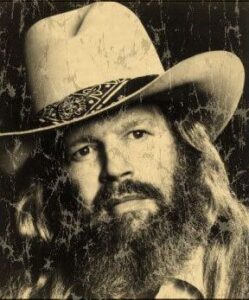
Coe became a defining figure in the outlaw country movement of the 1970s, standing alongside artists who rejected the polished Nashville sound in favor of something rougher and more personal. His own recordings, including “Longhaired Redneck,” “The Ride,” and “Mona Lisa Lost Her Smile,” earned him a devoted following and steady presence on country charts.
His songwriting extended beyond his own catalog, most notably with “Take This Job and Shove It,” which became a No. 1 hit for Johnny Paycheck and a defining working-class anthem. He also wrote “Would You Lay With Me (In a Field of Stone),” a major hit for Tanya Tucker, further cementing his influence within the genre.
Leaving a mark in more ways than one

Coe’s career, which spanned nearly six decades and more than 40 albums, was marked by both musical success and ongoing controversy. Some of his underground recordings from the late 1970s and early 1980s drew criticism for offensive content, and his public image often stirred debate, though he denied accusations of racism.
Despite the controversies, Coe remained a fixture in country music, known for his raw storytelling and refusal to conform to industry expectations. He is survived by his wife, Kimberly Hastings, and several children, leaving behind a legacy that reflects both the rebellious spirit and complicated history of outlaw country music.