


On May 19, 1992, Vice President Dan Quayle stood before the Commonwealth Club of California in San Francisco to talk about the Los Angeles riots, which had shaken the country only weeks earlier. Most of the speech was about cities, poverty and families. One short aside was about a sitcom, and that aside is the part everybody remembers. “It doesn’t help matters when prime time TV has Murphy Brown, a character who supposedly epitomizes today’s intelligent, highly paid professional woman, mocking the importance of fathers, by bearing a child alone, and calling it just another ‘lifestyle choice,'” Quayle said, according to the full text kept by the University of Maryland’s Voices of Democracy project.
The woman who played Murphy was Candice Bergen, now 80, and she had no plans to say a word about it. What followed was one of the strangest summers in television history, a season premiere watched by tens of millions of people, and, ten years later, an admission from Bergen that surprised a room full of TV critics.
How Did One Line In A Speech Become Front-Page News?
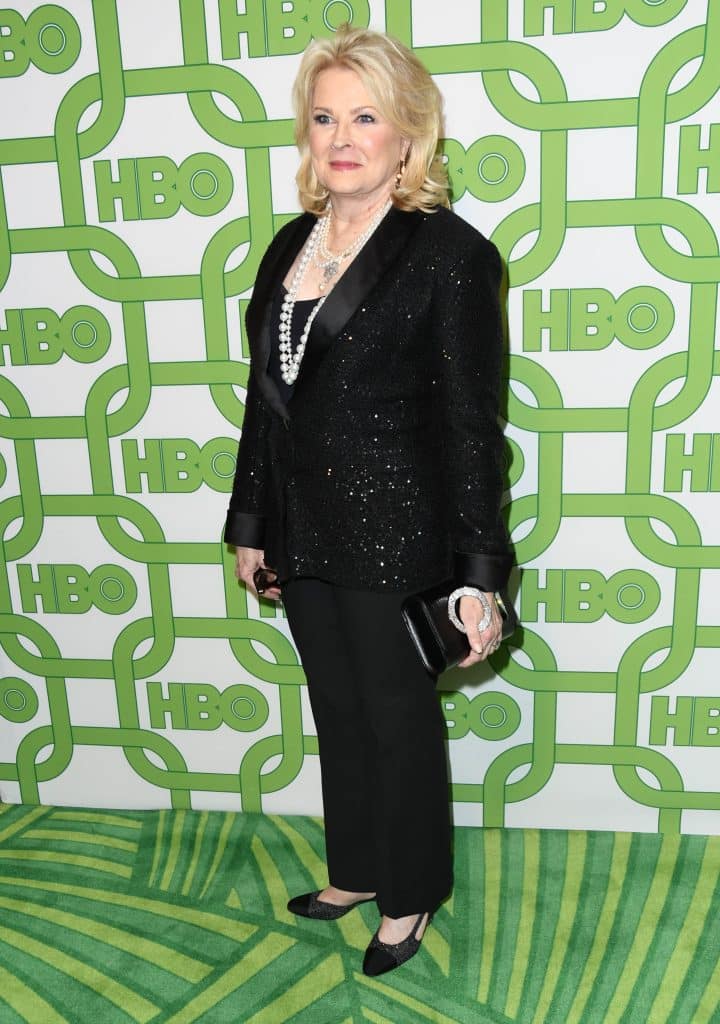
The timing could not have been tighter. Murphy gave birth to her son Avery in the fourth-season finale of Murphy Brown, “Birth 101,” which aired on CBS on Monday, May 18, 1992. About 38 million Americans watched, Time reported, and Quayle gave his speech the very next day. By the next morning the fictional newswoman was real news. The New York Daily News ran the headline “QUAYLE TO MURPHY BROWN: YOU TRAMP!” and switchboards at the White House and on talk radio lit up with callers on both sides.
Even the administration seemed unsure what to do with it. Time noted that President George H.W. Bush declined to criticize “a very popular television show,” and Quayle’s aides explained that he had wanted to “stir a debate” about family values. On the set, the cast and crew suddenly found themselves at the center of a national argument about a storyline they had written months before.
“I saw the front page of the New York Times, and Murphy was holding the baby above the fold,” Bergen recalled in a 2017 oral history for Yahoo Entertainment. Friends kept calling to ask whether she would comment. “Nope. I am staying out of this one,” she told them. Creator Diane English said her phone never stopped either. “We were inundated with phone calls from every news outlet wanting a reaction,” she said, and she remembered CBS chief Howard Stringer warning her, “Don’t get drawn into this because it’s not going to be good for you.”
So the show waited all summer. Its answer would come in the one place where Murphy Brown always had the last word.
How Did ‘Murphy Brown’ Answer The Vice President?
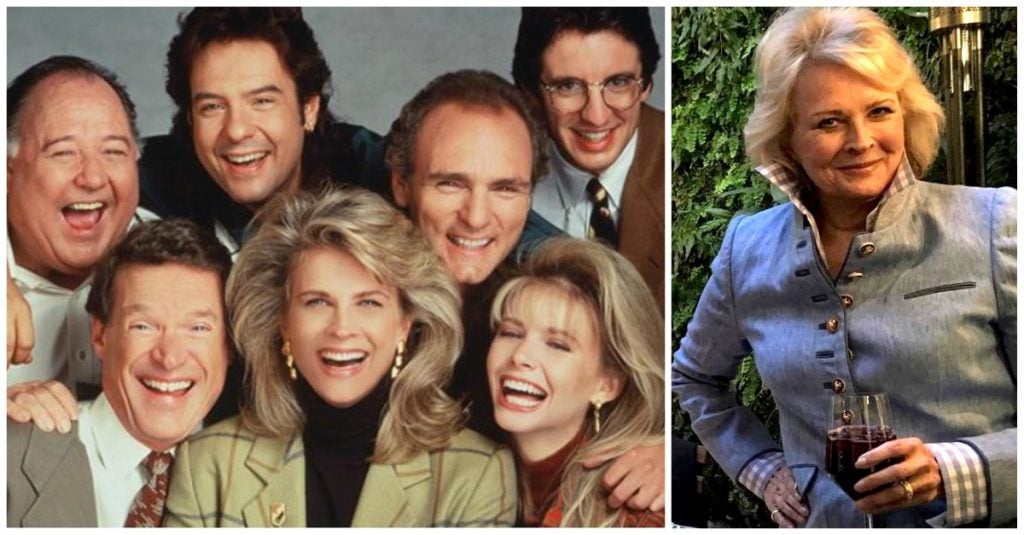
Before the new season even started, the story took a few friendly turns. When Bergen won the Emmy for lead actress in a comedy on August 30, 1992, she used her speech to thank the vice president, a moment Time covered that fall and TV Guide still remembered years later. Quayle, for his part, tried to lighten things up. The weekend before the premiere he sent a stuffed elephant as a gift for Murphy’s baby, The Harvard Crimson reported, and a day before the episode he told a crowd at a Kentucky supermarket, “I have the greatest respect for single mothers.”
Then came Monday, September 21, 1992, and the fifth-season premiere, “You Say Potatoe, I Say Potato.” The title was a wink at Quayle’s famous spelling slip that June, when he corrected a schoolboy who had spelled “potato” correctly. In the two-part story, Murphy watches a clip of the speech and asks, “What planet is he on?” Real newspaper front pages and network news clips about the controversy were cut into the episode, and Frank Fontana tells her to let it go.
She doesn’t. Murphy goes on her own newsmagazine, FYI, and calls the idea that “the only acceptable definition of a family is a mother, a father and children” painfully unfair, and the show closes the segment with a dozen real single-parent families introducing themselves on the set. The final gag was a truckload of potatoes dumped outside the vice president’s home. According to the Television Academy, about 70 million people watched, 41 percent of everyone watching TV that night, which made it the most-watched episode the show ever aired.
Quayle spent the evening watching it in a Washington apartment with his wife, Marilyn, and a group of single parents, the Crimson reported. Then the election came and went, and for almost a decade Bergen said nothing more about it.
What Did Candice Bergen Finally Say About Dan Quayle?
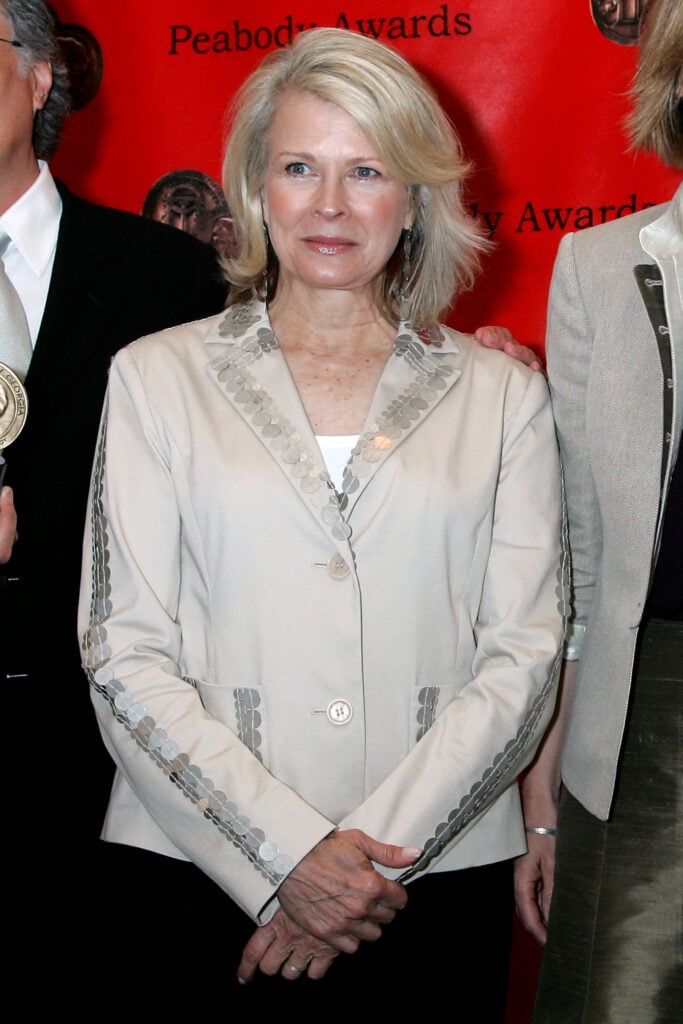
The tenth anniversary brought both of them back to the subject within a few weeks. On May 9, 2002, Quayle spoke at the National Press Club and stood by every word. “When you take on someone who’s popular, it’s always a bit of a risk,” he said, according to CBS News. “But no, I didn’t regret it then and I don’t regret it now.”
That July, Bergen sat down with the Television Critics Association to promote her new Oxygen talk show, Candice Checks It Out, and the question came up again. This time she answered it. “I never have really said much about the whole episode, which was endless,” she said, as the Deseret News reported. “But his speech was a perfectly intelligent speech about fathers not being dispensable, and nobody agreed with that more than I did.” Her one objection, she added, was that “he kind of wrapped it up specifically with ‘Murphy Brown.'”
The two of them, it turned out, had never been in the same room. “To tell you the truth, I’ve never met Dan Quayle, and I was always fine with that,” Bergen said, and when producers suggested booking him on her show she turned the idea down. “I thought it would be better to take the high road,” she explained.
The story got one more chapter when CBS brought the series back on September 27, 2018, a revival our readers first heard about when Bergen shared a photo of the cast getting ready that spring. The baby at the center of the 1992 fuss had grown up into a television journalist himself, played by Jake McDorman, and the revival ran 13 episodes before CBS ended it in May 2019.
Bergen, who turned 80 on May 9, has kept working through a hard stretch at home. Her second husband, real estate developer Marshall Rose, died of Parkinson’s disease in February 2025, and this year she turned up on Apple TV’s Shrinking as Constance, the frosty mother of Ted McGinley’s Derek, in an episode that debuted March 11. She told People in March the part did not come looking for her. “I forced myself on them,” she said. “I asked to be on it. I was such a fan of the show.”




 Jackie Gleason Pulled The Plug On ‘The Honeymooners’ After One Season, Leaving Buick’s Millions On The Table