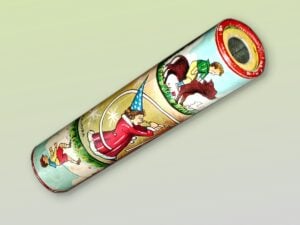

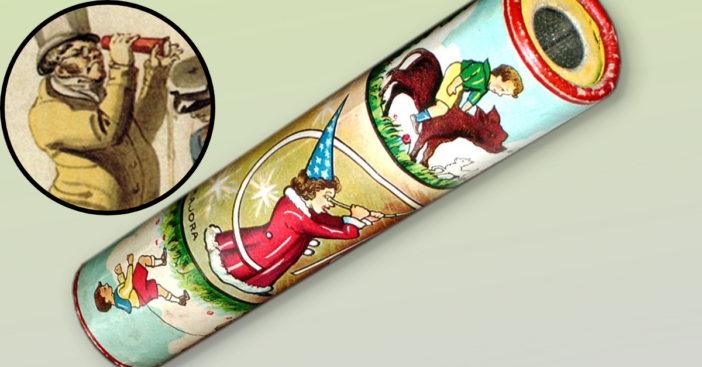
The kaleidoscope may seem like a simple childhood toy today, but throughout its history, it once caused a real public craze. In the early 1800s, people in Britain became so fascinated by the colorful viewing tubes that they stared into them on streets, in homes, and in public spaces.
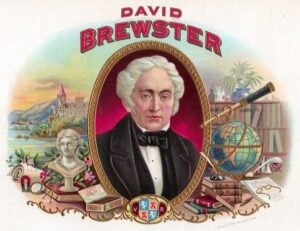
According to Atlas Obscura, kaleidoscope history began with Sir David Brewster’s invention in 1816. What started as an optical device soon became a cultural obsession, drawing attention from scientists, artists, manufacturers, and ordinary people who wanted to see its shifting patterns for themselves.
Early In Its History, The Kaleidoscope Was Once Treated Like A Modern Tech Craze
When the kaleidoscope first appeared, it was not just a toy for children. Adults used it, scientists studied it, and poor Londoners sometimes charged passersby a penny to look through one. The experience felt new, portable, and deeply absorbing, much like the way people now get lost in phones and screens.
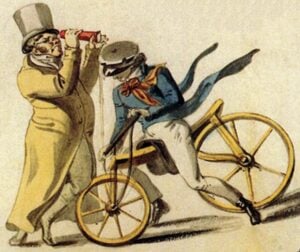
Some observers even mocked the obsession. Art from the period showed people staring into the tubes so intensely that they ignored what was happening around them. The joke worked because many people understood it. The kaleidoscope had become one of those inventions that made people stop, look, and forget the world for a moment.
Its Beauty Came From Science, Scraps, And Mirrors

Brewster created the device while studying light, mirrors, and reflection. Inside the tube, small pieces of glass, ribbons, or other materials reflected against angled mirrors. Those ordinary scraps became endless symmetrical patterns when viewed through the instrument. That mix of science and beauty helped explain the early excitement. The kaleidoscope could teach people about optics, but it could also inspire designs for carpets, paper, china, and fabrics. Some writers of the time marveled at the number of possible images one device could create, treating it as both useful and almost magical.