


Sharon Osbourne is pushing back against criticism over her family’s decision to create a digital version of Ozzy Osbourne. The project has drawn strong reactions from fans who question whether it honors his memory in the right way.
According to Entertainment Weekly, Ozzy AI will launch this summer in the U.S. and the U.K. Sharon and her son Jack Osbourne said the project is not a cash grab. They see it as a way to protect Ozzy’s legacy and keep his memory alive.
Sharon Osbourne Said The Project Is About Memory

Sharon rejected the idea that the family wants to profit from Ozzy in a careless way. She said critics did not know her husband the way she did. She also remembered how often Ozzy wondered if people would still remember him after his death.
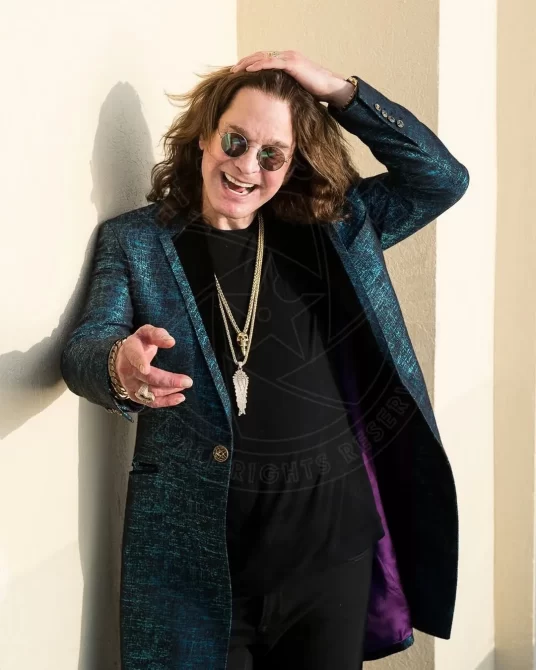
Jack explained that the avatar would not be an open internet tool with Ozzy’s face attached. He said the family is building a closed AI from a controlled database. The material will come from things Ozzy said, accurate records, or information the family trusts.
Jack Osbourne Said The Family Wants Control
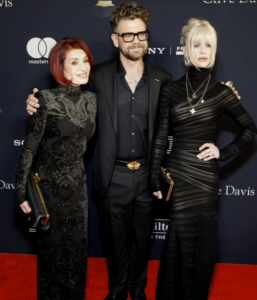
Jack said the family had explored the idea for years. He believes someone else might have created a digital version of Ozzy eventually. That made control important to the family. He said they want to create, own, and manage the digital imprint themselves. Sharon also compared the idea to other changes in technology. She pointed to jets replacing propellers and CDs following vinyl records. To her, new tools do not erase the past. They simply show how culture keeps moving.
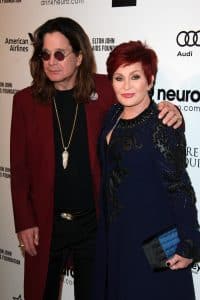
The Ozzy AI debate also shows how complicated legacy has become in a digital age. Ozzy was a heavy metal pioneer, a Black Sabbath frontman, a husband, a father, and a reality TV figure. His voice and personality became part of popular culture. Fans may still feel divided. Some may welcome a family-approved tribute, while others may feel uneasy about any digital version of a late artist. Sharon and Jack insist that their goal is remembrance, not exploitation. If they handle it carefully, Ozzy AI may become less about replacing the man and more about protecting the memory of an artist who shaped rock history.