

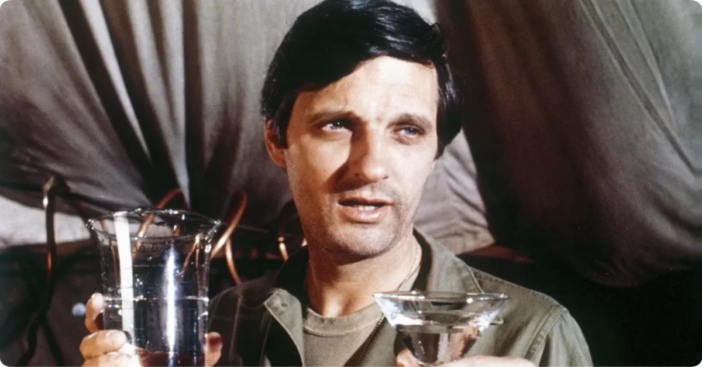
Alan Alda has learned that one of his most famous roles reached far beyond television entertainment. Decades after playing Hawkeye Pierce on MAS*H, the actor recently reflected on the surprising way the character helped shape the lives of some viewers.
According to Remind Magazine, Alan Alda shared that people still approach him to say his role on the classic series inspired them to become doctors. For the actor, that lasting influence connects to the idea of living usefully and making a contribution that continues long after the work first airs.
Alan Alda Said Fans Still Thank Him For ‘M*A*S*H’
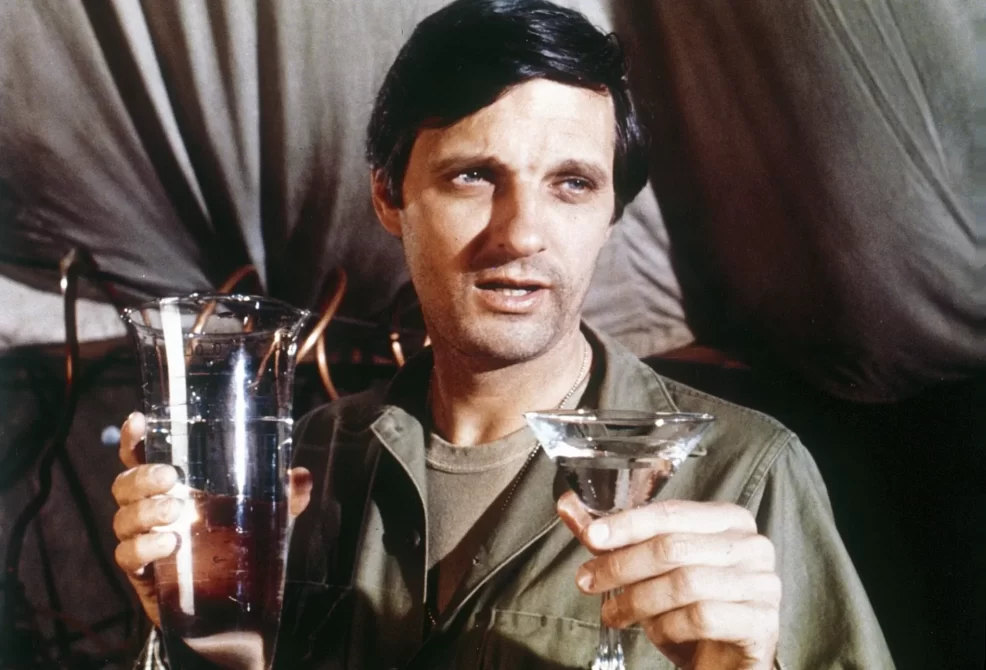
Alda played Hawkeye, a U.S. Army Reserve captain and surgeon, on the medical drama and dark comedy set during the Korean War. The role became one of television’s most recognizable performances, blending humor, compassion, exhaustion, and moral seriousness in a way that helped define the show’s emotional power.

While speaking with Joy Behar and Roger Rosenblatt during a 92NY event, Alda said a line from Rosenblatt’s book More Rules for Aging stood out to him: “Live usefully.” He connected that phrase to the many people who have stopped him in public and told him that watching MAS*H made them want to study medicine. He joked that none of them said the show made them want to become actors, but the impact still felt personal.
The Series Respected The Real People Behind The Story
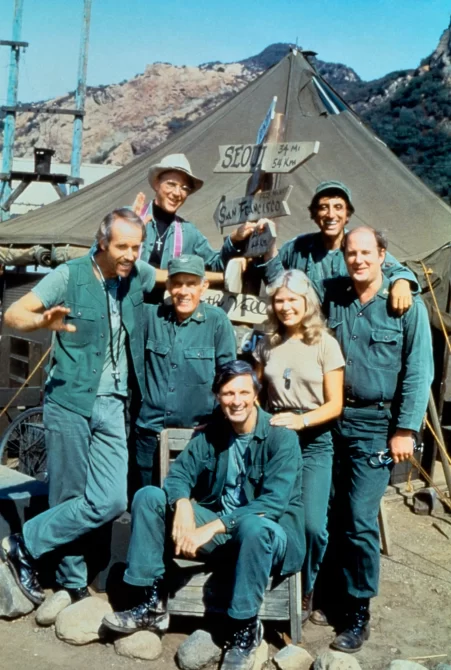
Alda has also reflected on why MAS*H connected so deeply with audiences. In a 2022 interview, he said the show worked not only because of strong writing, acting, and directing, but also because it carried respect for the real people who lived through wartime medical experiences. Even when the stories became funny or light, that awareness remained underneath. That balance helped make the show more than a workplace comedy. It allowed viewers to laugh while still sensing the pain, pressure, and humanity behind the characters’ lives. For those who later became doctors, Hawkeye may have represented more than a witty television surgeon. He showed care under pressure, intelligence in crisis, and the emotional cost of helping others when the world around him felt unstable.
Alan Alda’s comments also show how television can quietly shape real decisions. A role written for one series in the 1970s became a spark for viewers who later entered medicine. That kind of influence is difficult to measure, but the people who speak to Alda have made it clear that the show stayed with them. At 90, Alan Alda can look back on MAS*H as more than a career-defining project. It became part of many viewers’ personal histories, including some who turned inspiration into a life of service. For an actor thinking about what it means to live usefully, that may be one of the most meaningful legacies a performance can leave.