

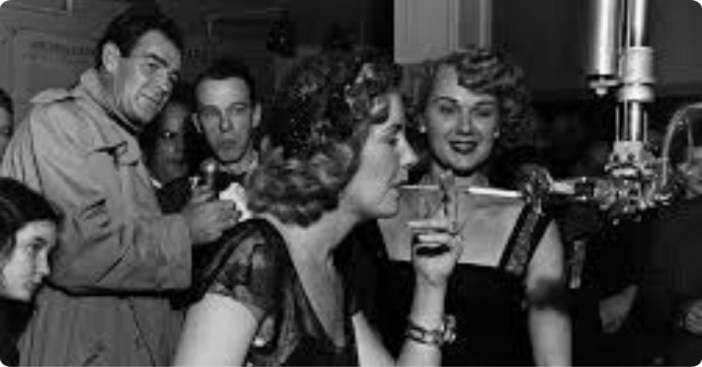
Culture has always had a way of repeating itself, bringing past trends back into the spotlight in new and unexpected ways. Today, conversations around smoking making a comeback are becoming harder to ignore, as familiar imagery resurfaces across entertainment, fashion, and social media.
What once seemed firmly pushed aside by decades of health campaigns is now appearing again in subtle but noticeable ways. The idea of smoking making a comeback is not just about behavior but about perception—how a once-taboo habit is being reframed through nostalgia, style, and shifting cultural signals.
Smoking making a comeback appears in celebrity and social media culture

From red carpets to Instagram feeds, cigarettes are reappearing as visual statements tied to mood and identity. According to CBC, both long-associated figures like Ben Affleck and newer stars such as Dua Lipa and Charli XCX have contributed to this renewed visibility, often presenting smoking as part of a curated aesthetic rather than a habit with consequences.

This resurgence goes beyond celebrity culture. Social media has amplified the trend, turning cigarettes into props that signal mood, rebellion, or even connection. In some cases, public gatherings and online communities have embraced smoking as a shared experience. For younger generations, it can serve as a social cue—an easy way to start conversations or create a sense of belonging.
A nostalgic trend meets real-world health concerns
Despite the renewed visibility, experts remain cautious. While smoking making a comeback may feel culturally present, research continues to show that traditional smoking rates have declined over the years. However, new concerns have emerged, particularly around vaping, which has grown among younger users and introduced a different layer to the conversation.

Health professionals emphasize that the risks tied to smoking have not changed. It remains a leading cause of serious illnesses, even if its image appears more polished online. The contrast between its stylized portrayal and its real-world consequences highlights a deeper tension—one between nostalgia and reality, where the appeal of the past can sometimes overshadow the lessons learned from it.