

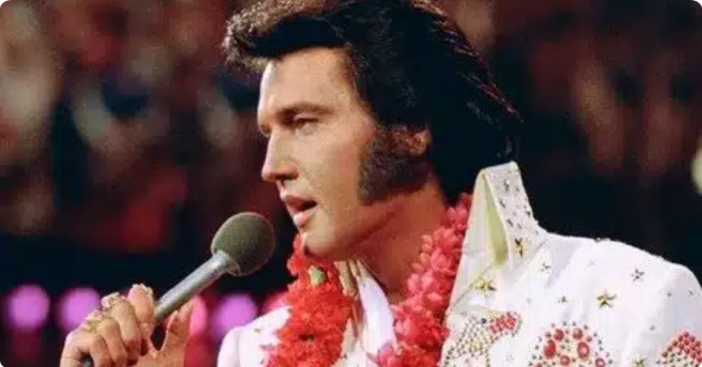
For decades, Elvis Presley stood at the center of American music and culture. Fans remember the swagger, the unmistakable voice, and the songs that reshaped rock ’n’ roll forever. Yet fame often built a story around Elvis that others controlled—managers, studios, and headlines shaping the public narrative while the man himself rarely explained his own experiences.
A new Baz Luhrmann documentary, EPiC: Elvis Presley in Concert, brings audiences closer to that missing perspective. The film uses rediscovered recordings made around the time of Elvis on Tour, allowing Elvis to reflect on his life and career in his own words. According to PEOPLE, the tapes reveal Elvis Presley acknowledging that many stories had been written about him, but his personal side of the story had rarely been heard.
Elvis Presley Reclaimed The Stage And Revived His Career

By the late 1960s, Elvis felt frustrated with the direction of his career. Hollywood films had kept him busy for years, but many followed similar formulas that left little room for creative growth. Elvis hoped those roles would allow him to demonstrate stronger acting ability, yet the opportunity never truly arrived.

Determined to reconnect with his roots, Elvis turned back to live performance. His famous ’68 Comeback Special reminded audiences of his electrifying stage presence, and a landmark residency at the International Hotel in Las Vegas soon followed. Night after night, Elvis commanded the stage while packed crowds and celebrities watched the King of Rock ’n’ Roll reclaim his musical identity.
Elvis Presley’s Life Behind The Curtain

Those who worked closely with Elvis Presley often remembered the warmth and humor he brought backstage. Before performances, he welcomed musicians into his dressing room to relax and prepare for the show ahead. These quiet moments helped the band settle their nerves and created a sense of unity before stepping in front of thousands of fans.
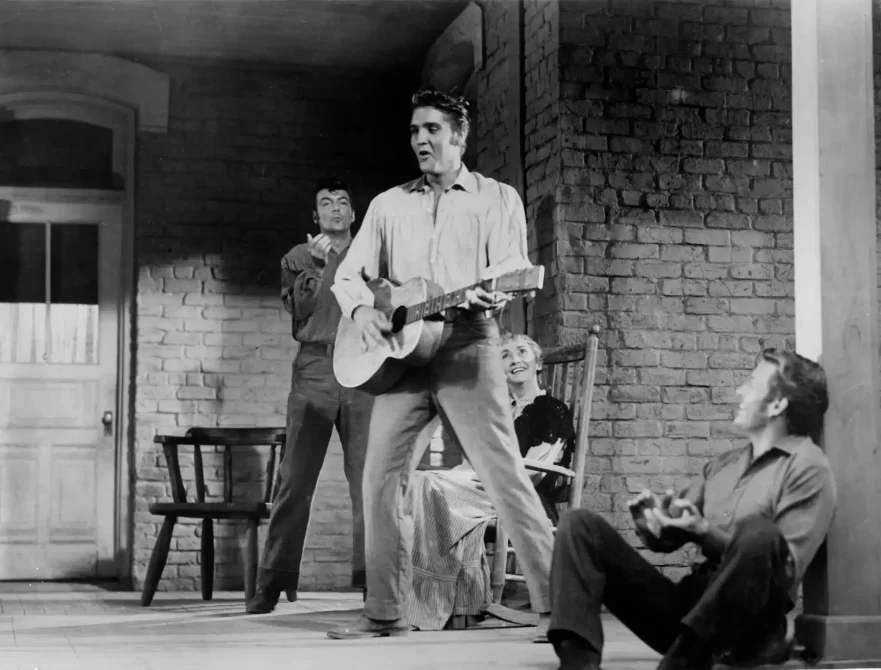
According to Yahoo Entertainment, when Elvis Presley walked onto the stage, his focus sharpened completely. Musicians recalled how he treated each song like a story that needed to reach the audience with honesty and emotion. Even as personal struggles grew during the 1970s, Elvis continued to deliver powerful performances, reminding fans why his voice and presence had changed music forever.