

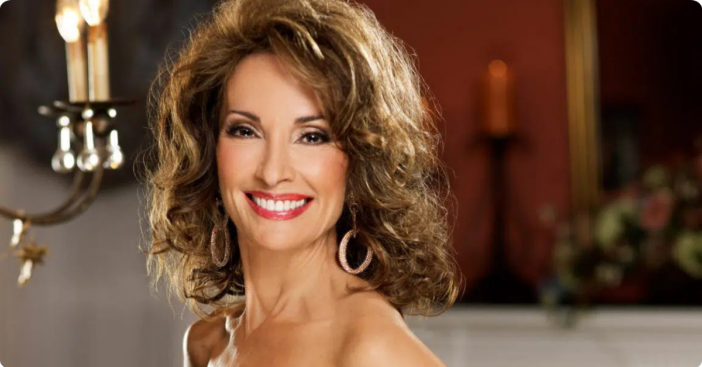
For generations of television viewers, Susan Lucci represented glamour, ambition, and resilience. Yet behind the polished image, the actress has spent recent years navigating profound personal loss. After more than five decades of marriage, the death of her husband and manager, Helmut Huber, forced Lucci to confront a life she had never imagined living alone.
Now 79, Susan Lucci reflects on grief with striking honesty. In her new book, La Lucci, she describes feeling like “half a person” after Huber’s death. The memoir does not offer easy answers. Instead, it documents the slow, uneven process of learning how to keep going when the life you built suddenly changes shape.
Susan Lucci and Learning to Live With Loss

Susan Lucci had shared nearly every aspect of her adult life with Huber, both personally and professionally. His death in 2022 left her not only mourning a husband but also recalibrating her sense of identity. She has spoken openly about how disorienting that transition felt, especially after a marriage that spanned 52 years.

According to Yahoo Life, Lucci believes grief does not follow a fixed timeline. Some days feel manageable, while others arrive without warning, triggered by memories or emotions that surface unexpectedly. Rather than resisting those moments, she allows herself to feel them, then chooses to move forward, one step at a time.
Susan Lucci on Aging, Purpose, and Faith

Aging, for Susan Lucci, has never meant retreating quietly. She describes herself as “kicking and screaming” her way through it, embracing work, family, travel, and reflection. Yet faith remains the foundation that steadies her. She credits her belief in God as the reason she found the strength to stand again after losing her husband.
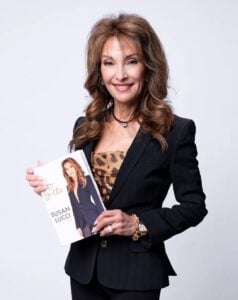
In her words, “I recognize that this life is a tremendous gift from God.” That perspective shapes how she approaches both grief and gratitude. Susan Lucci begins and ends each day with thankfulness, acknowledging the blessings she has known, even as she accepts the pain of loss. Writing her book became part of that process, not as instruction, but as companionship for others who grieve. She hopes readers see that while loss changes you, it does not erase your ability to live fully again.