

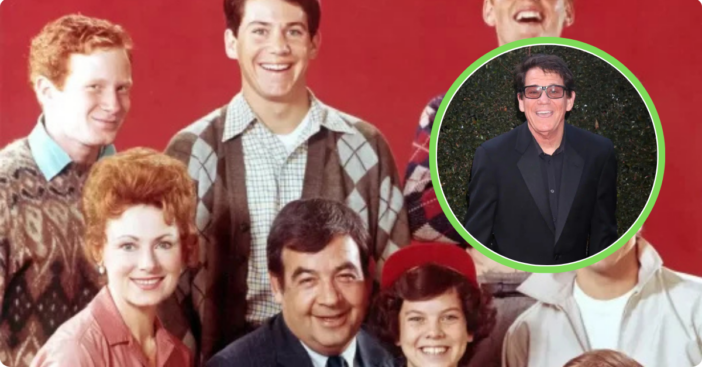
Few sitcoms have left a legacy as unexpected as Happy Days. While most fans remember the Fonzie swagger and 1950s nostalgia, the series may have also played a critical role in public health. Anson Williams, who played Warren “Potsie” Weber, believes Happy Days indirectly helped popularize the Heimlich maneuver, potentially saving thousands of lives over the decades.
Williams explained in interviews that his uncle, Dr. Henry Heimlich, invented the life-saving anti-choking procedure in 1974, but struggled to get the word out. According to Entertainment Weekly, it was through Happy Days and the show’s cultural influence that Heimlich gained visibility, ultimately appearing on major talk shows that introduced the maneuver to a mass audience.
How Happy Days Helped Bring The Heimlich Maneuver To Millions
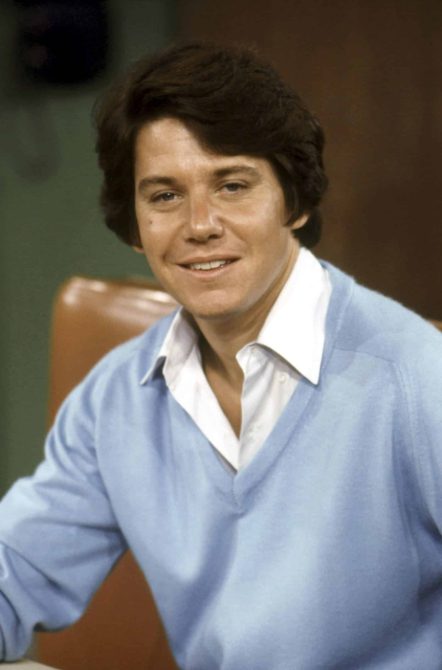
Anson Williams credits the success of Happy Days with creating the conditions that led to Dr. Heimlich’s breakthrough on live television. In the mid-1970s, Williams brought his uncle to The Merv Griffin Show, hoping to demonstrate the maneuver on camera. While producers initially hesitated, a last-minute pitch to Griffin led to a segment featuring Dr. Heimlich performing the technique on the host.
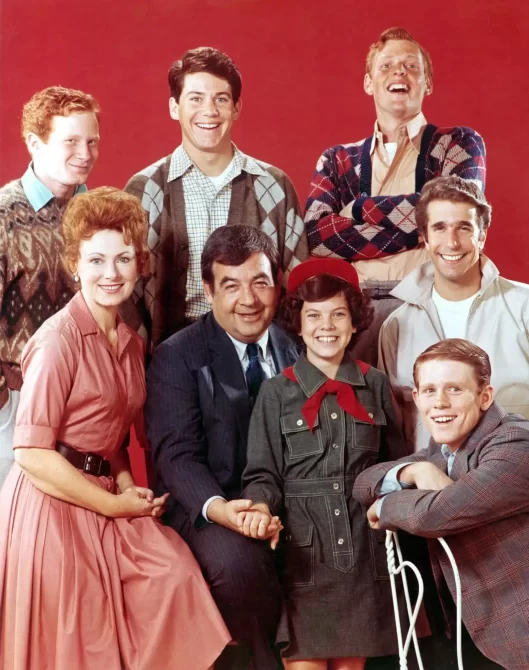
The domino effect continued: Griffin’s support opened the door for an appearance on The Tonight Show with Johnny Carson, which brought nationwide attention to the procedure. Williams reflected that without Happy Days and its star power, this exposure may never have occurred. The sitcom’s popularity indirectly amplified Dr. Heimlich’s work, allowing millions to learn the life-saving method.
The Lasting Impact Of Happy Days
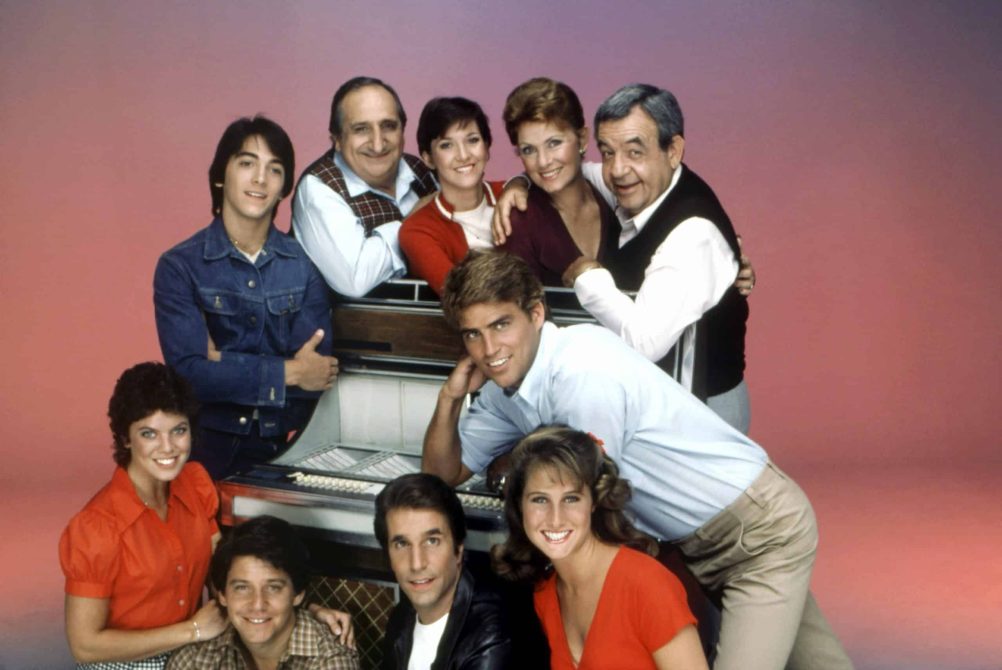
For Williams, the connection between Happy Days and the Heimlich maneuver is personal and profound. He emphasizes that the show’s creators and cast were more than entertainers—they became inadvertent champions of public health. As he explained in a 2024 interview, “If Garry Marshall hadn’t created a show called Happy Days, if there weren’t superstars like Henry Winkler and Ron Howard, Henry Heimlich might have never gotten that call from Johnny Carson.”

This legacy shows that Happy Days achieved something few shows ever do: it entertained audiences while contributing to lives saved around the world. For fans of the iconic series, it is a reminder that television can influence culture in ways far beyond ratings, combining humor, nostalgia, and real-world impact.