

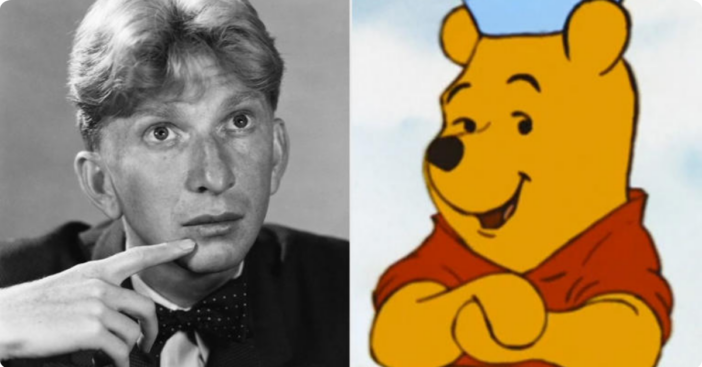
For generations, the gentle voice of Winnie the Pooh has carried warmth, whimsy, and quiet wisdom. That voice belonged first to Sterling Holloway, a veteran performer whose work helped define Disney animation during its formative years. His contribution shaped how audiences connected emotionally with one of the studio’s most beloved characters.
Sterling Holloway brought restraint and sincerity to Pooh at a time when animation depended heavily on vocal nuance. According to People, the actor who helped build the character’s identity was later pushed out of the role, not because of talent, but because age and physical limits began to affect his ability to meet demanding production schedules.
Sterling Holloway and His Long Disney Legacy
Holloway began working with Disney in 1941, voicing Mr. Stork in Dumbo. That role marked the start of a decades-long partnership. He soon became a familiar presence, lending his voice to characters such as the Cheshire Cat in Alice in Wonderland. His delivery stood out for its calm confidence and emotional clarity.
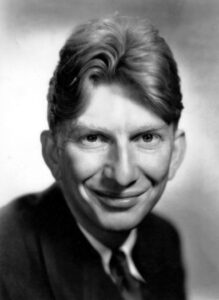
When Winnie the Pooh entered development, Walt Disney personally supported casting Sterling Holloway. Some within the studio worried his voice appeared too often in Disney projects. Those concerns faded once recording began. Colleagues later said Holloway’s performance anchored the film and prevented the character from feeling overly sentimental.
Sterling Holloway and the Difficult Goodbye to Pooh

Sterling Holloway voiced Pooh for more than ten years and earned deep admiration for the role. In 1977, a heart attack slowed his pace. Voice acting for television required speed and stamina, especially for serialized animation. As Holloway entered his late seventies, the work became physically taxing.
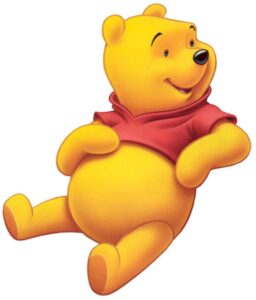
When Disney developed The New Adventures of Winnie the Pooh, the studio asked Sterling Holloway to complete a test read. Though his voice still sounded like Pooh, he could not record episodes quickly enough. Disney transitioned the role to Jim Cummings. The choice reflected production realities rather than artistic failure, marking a quiet end to Holloway’s time as Pooh.