

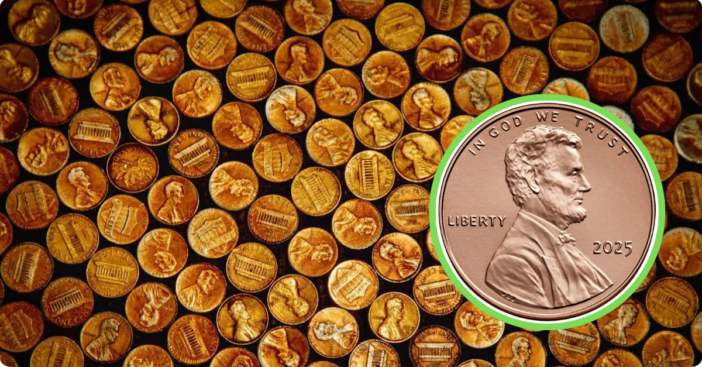
For decades, the penny was a small but familiar part of everyday purchases. It lingered in pockets, cash drawers, and price tags, quietly shaping how Americans understood value. From coins left in jars at home to change given at local stores, the penny served as a tangible reminder of exact pricing. Now, a shift is underway in Colorado, where cash transactions are adjusting as the penny becomes less common and harder to find—and this will likely become a phenomenon we will see across the country.
According to Denver Post reports, the role of the penny in daily commerce is shrinking, prompting both shoppers and retailers to adapt. Cash totals are increasingly rounded to the nearest five cents when exact change is not available. While the penny still exists as legal tender, its practical usefulness is diminishing. Many consumers have noticed that even small purchases no longer rely on the coin, and the absence of pennies is changing the rhythm of routine shopping.
How the Penny Affects Cash Purchases

The most noticeable change occurs at checkout counters across Colorado. When customers pay with cash, stores now round totals either up or down depending on the final digits. Electronic payments, however, continue to process exact amounts down to the penny. Without the penny, providing precise change has become a challenge for some cashiers, but others report that managing coins has become slightly easier overall.
See new posts
Conversation
Edward Lawrence/X
For shoppers, the transition feels unavoidable yet unfamiliar. The penny no longer guarantees its traditional role in balancing cash transactions, and many are learning to adjust. Cash transactions that once relied on the penny for exact amounts now operate on a different system, subtly altering the experience of paying with physical money.
The Penny’s Decline and What It Means
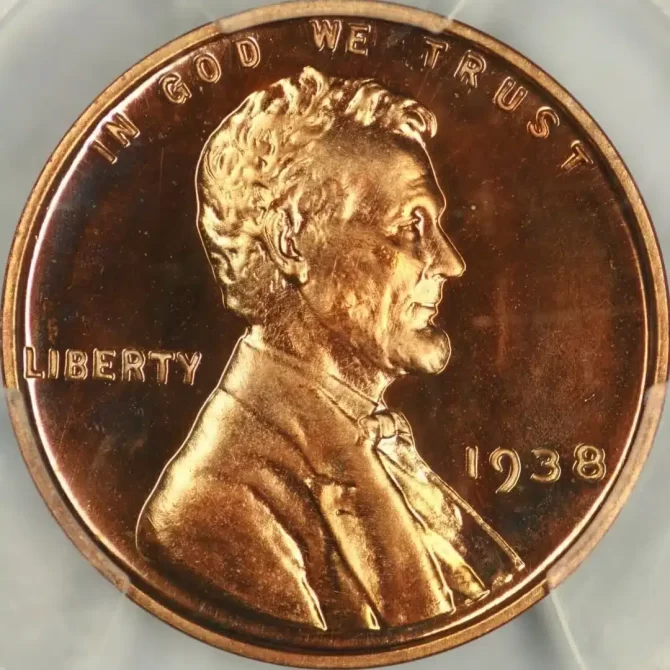
The fading presence of the penny reflects broader economic realities. Critics have long questioned the coin’s practicality, noting that producing a penny costs more than its face value. In Colorado, the debate has moved from theoretical discussion to observable change in everyday life.
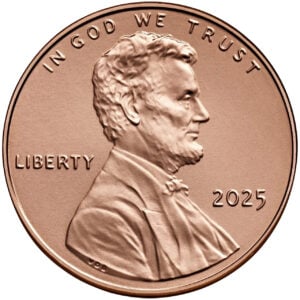
Despite its decline, nostalgia still surrounds the penny. For generations, it symbolized thrift, fairness, and exact pricing. As cash purchases evolve, the penny’s disappearance marks a small but meaningful shift in how money is used. While jars of pennies may still exist in homes, their role in daily commerce is shrinking. The penny is increasingly remembered as a symbol of the past rather than a tool for the present.