

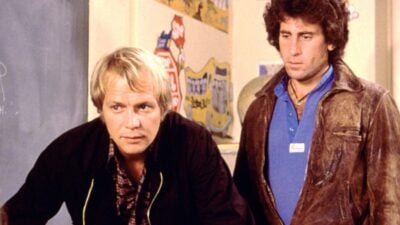
Every week the red Torino with the white stripe came screeching around a Bay City corner, and every week Paul Michael Glaser climbed out of it as Dave Starsky, the curly-haired half of the hottest buddy act on 1970s television. Viewers saw a man having the time of his life. Glaser, now 83, has spent years explaining that it felt very different from the inside. “I had very mixed feelings about the whole Starsky & Hutch thing,” he told The Scotsman in 2013. “There’s very little control in it, not like the stage.”
That frustration did not stay in the dressing room. After two seasons as Starsky, Glaser went to court to get out of the show, and the people who made it took him seriously enough to start writing episodes without him. The story of how ABC’s hit kept its Starsky, and what it cost everyone, ran right up to the final episode in 1979.
Why Did Paul Michael Glaser Want Out Of ‘Starsky & Hutch’?
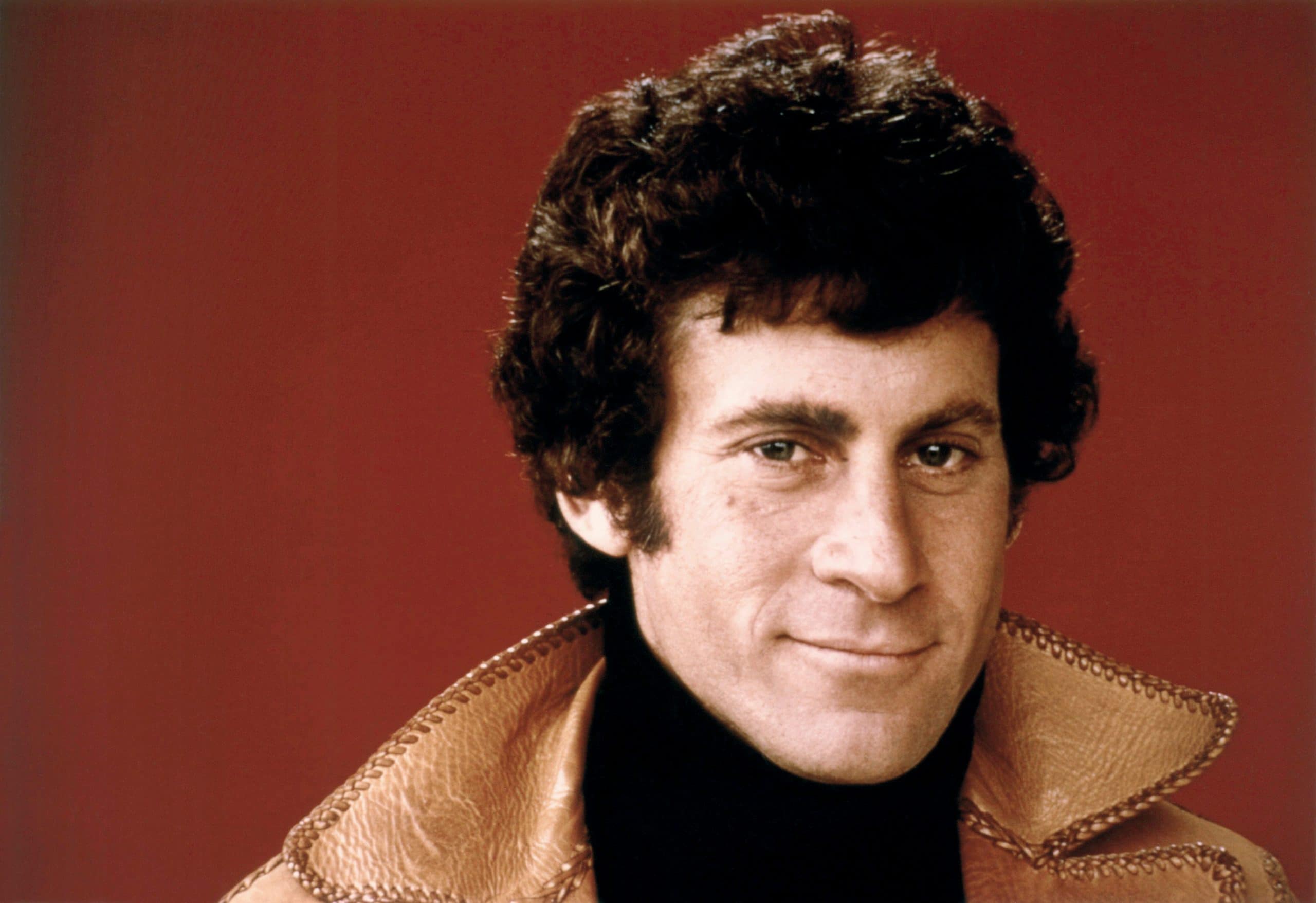
The show began as an ABC movie on April 30, 1975, and the series followed that September. Glaser, born March 25, 1943, in Cambridge, Massachusetts, was 32 by then and had trained for the stage at Boston University. He had played Perchik in the 1971 film Fiddler on the Roof, and theater was where he wanted to be. Instead he was signed to a five-year contract with Spelling-Goldberg Productions, Aaron Spelling and Leonard Goldberg’s company, and found himself shooting car chases and shootouts on a television schedule.
“I feel stifled as Starsky,” he told Screen Stars magazine in July 1977. “I’ve done enough of that and gotten recognized, and now I want to do other things like movies and live theatre.” He told The Scotsman decades later that the attitude on the lot was “Well, if you make two good shows out of 23 you’re lucky,” and that he and David Soul “thought, ‘Well, you’ve got that back to front,’ and we were always fighting with producers.” Then there was the shooting. As concern about TV violence grew in the late 1970s, the writers dialed it back and leaned on the partners’ personal lives, a change that, as Remind Magazine noted in 2024, pleased neither actor.
So at the end of the second season in the spring of 1977, Glaser sued Spelling-Goldberg to be released from his contract. His attorney, Robert Dudnik, told Screen Stars that Glaser was also seeking about $20,000 in back pay for overtime, and argued the deal had been drawn up to get around Screen Actors Guild rules. Studio executives insisted he would not win.
The Partner Written To Replace Starsky
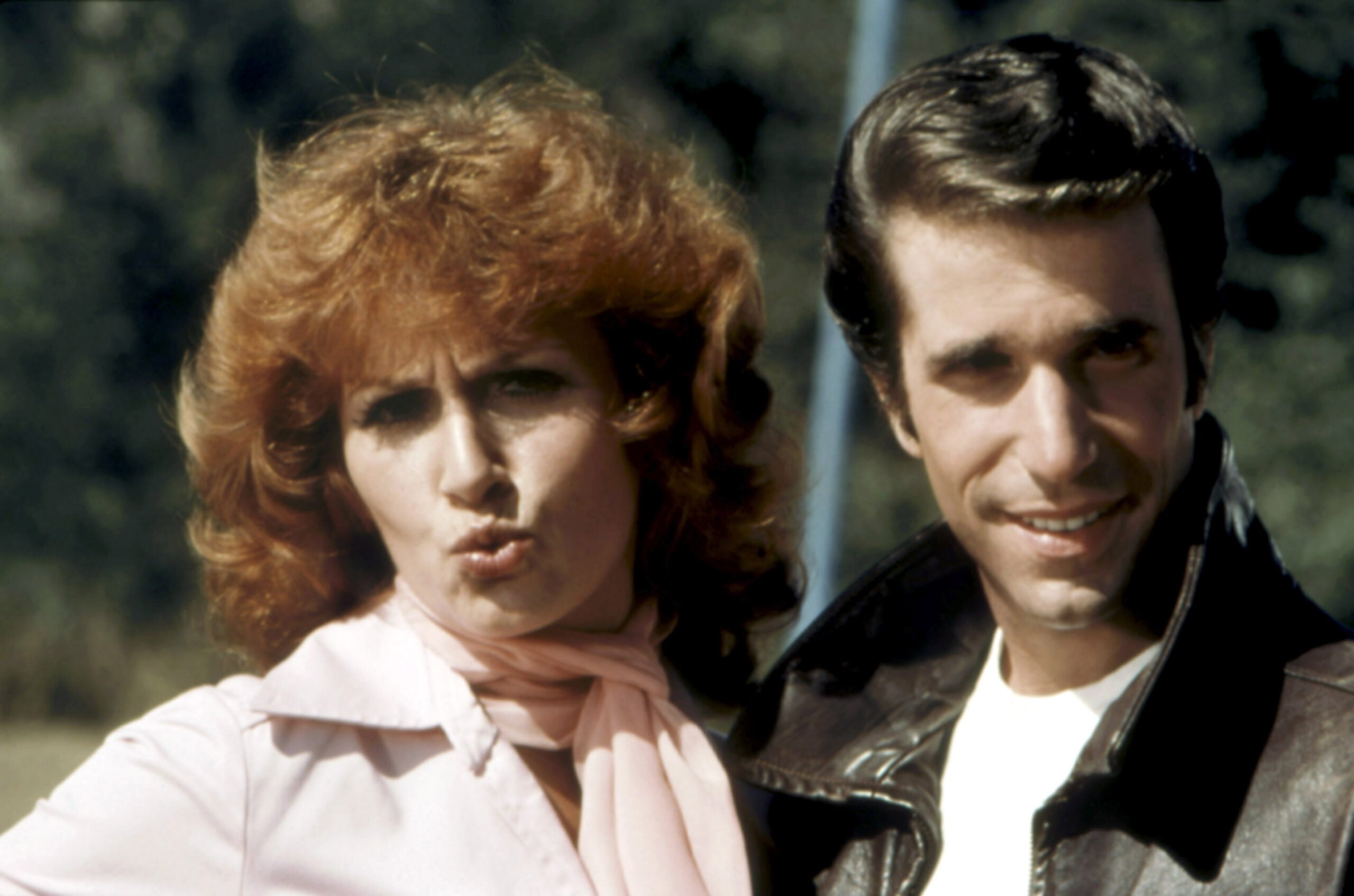
With the lawsuit unsettled and a third season to film, the producers hedged their bet. They created a new detective, Officer Linda Baylor, and had alternate scripts written that paired her with Hutch in place of Starsky, according to the show’s production history. The actress they cast was Roz Kelly, whom viewers already knew as Pinky Tuscadero, Fonzie’s motorcycle-riding girlfriend on Happy Days.
Baylor never got her partnership. She appeared in just one episode, “Fatal Charm,” which aired September 24, 1977. By then Glaser was back behind the wheel, and the stack of Starsky-free scripts went into a drawer.
The Deal That Kept Him In The Torino
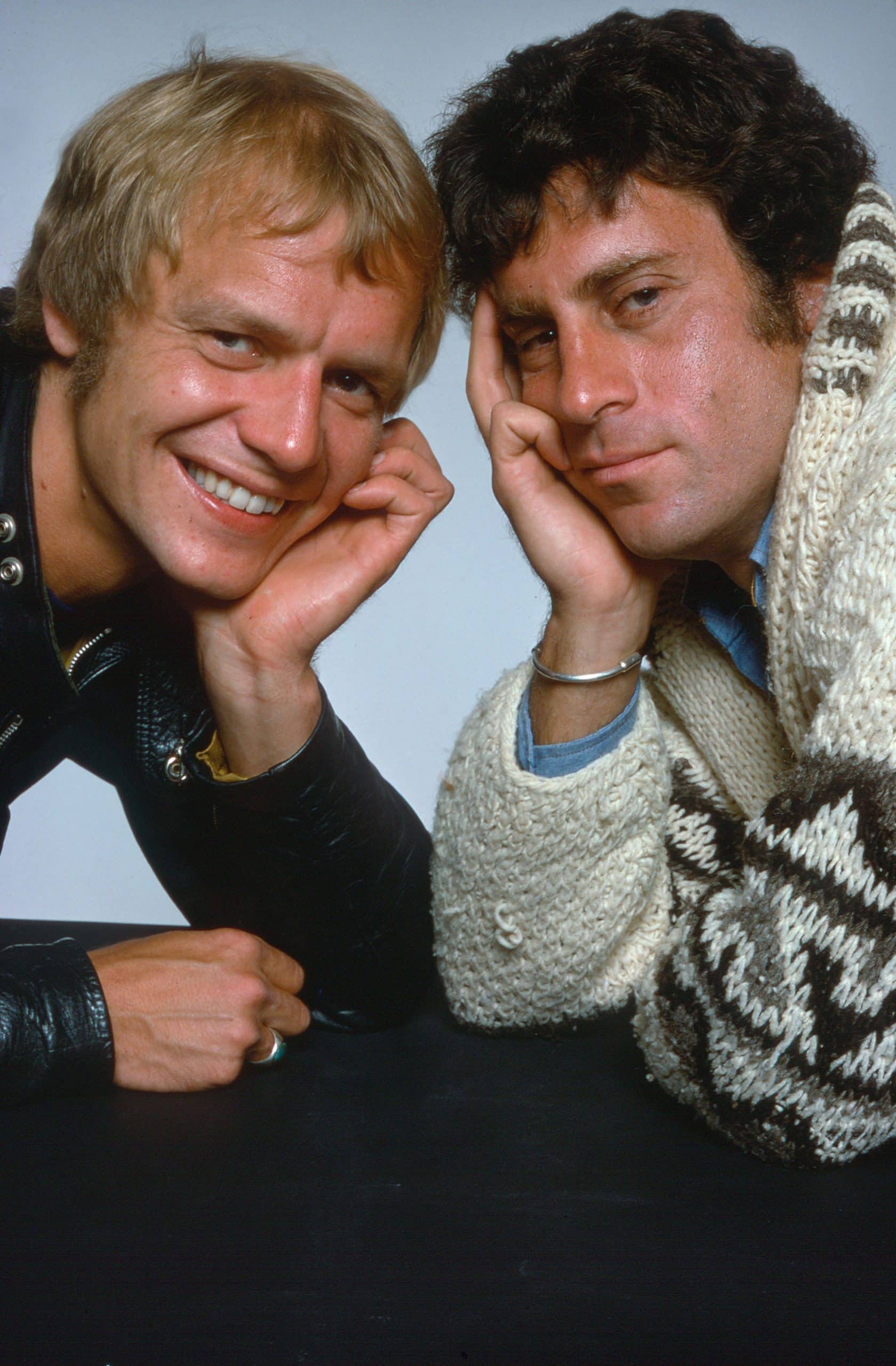
What brought him back was a director’s chair. Spelling’s company gave its two leads more say over the scripts and more episodes to direct, and Glaser got a raise along with it. He directed five episodes in all, including “Ballad for a Blue Lady,” which he also wrote.
“At the time I had to make an adjustment in terms of being able to honour my contract, in that I decided I would learn to direct,” he told The Scotsman. “So Starsky & Hutch allowed me to learn to direct.” That lesson turned into his second career. He later directed episodes of Miami Vice and the 1987 Arnold Schwarzenegger film The Running Man.
The peace did not last. During the fourth season Glaser again made it known he wanted to leave, and this time the writers introduced Starsky’s younger brother, Nick, played by John Herzfeld, in the episode “Starsky’s Brother.” The idea, by most accounts of the show, was that a reformed Nick could join the force if Dave was written out. Glaser stayed to finish the season instead.
How It Ended, And What David Soul Said About Going On
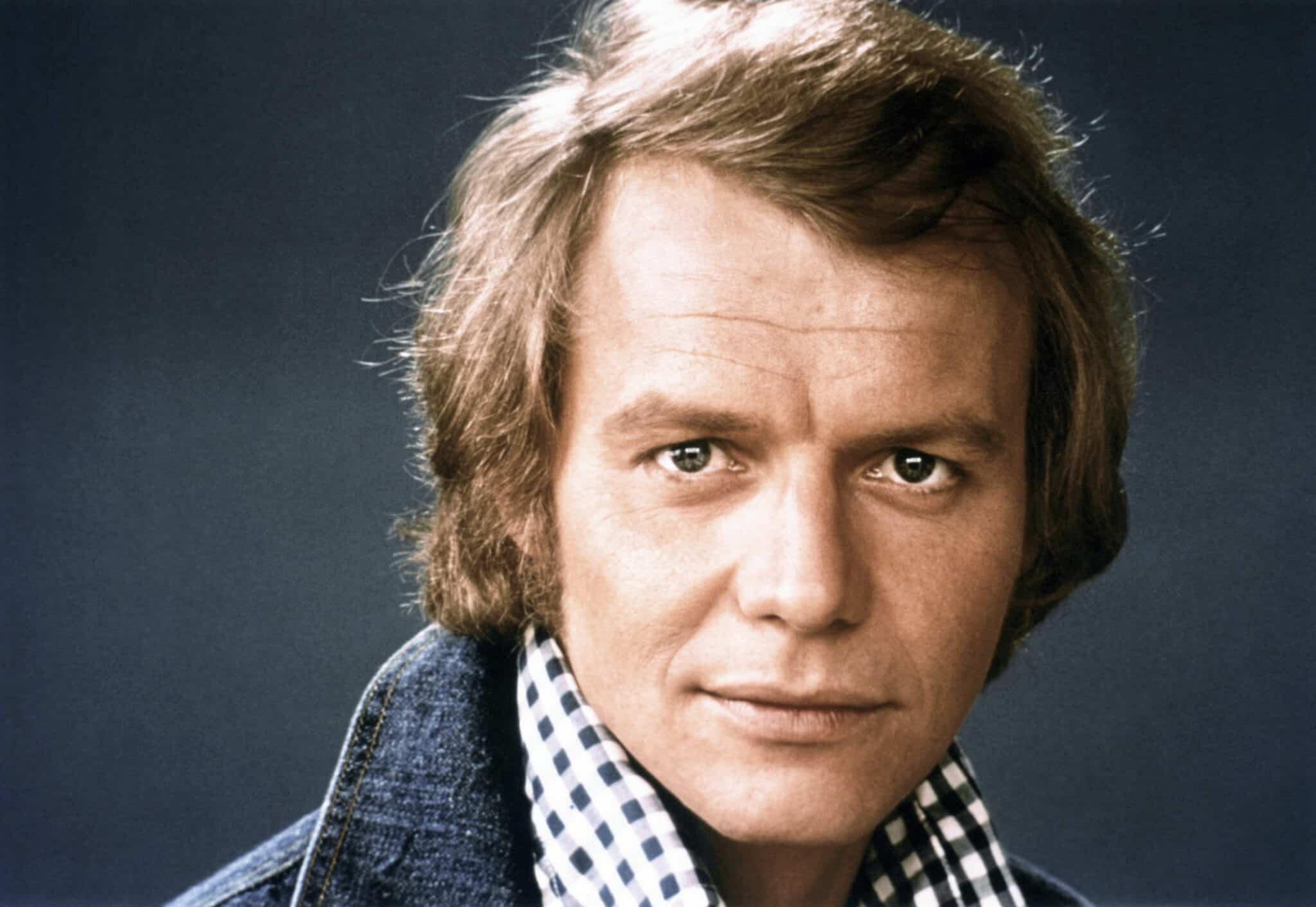
Early drafts of the fourth-season finale, “Sweet Revenge,” had Starsky gunned down for good. The producers pulled back, and when the episode aired on May 15, 1979, directed by Glaser himself, Starsky survived in a hospital bed while Hutch smuggled in booze and stuffed veal. He raised a glass with Hutch, Huggy Bear and Captain Dobey. “A toast to four very, very heavy dudes,” Starsky says. “God bless us all.” ABC did not bring the show back for a fifth season, and with it went the contract Glaser had fought for two years.
Soul, who scored a No. 1 hit in 1977 with “Don’t Give Up on Us,” could have carried on. He never wanted to. “I would have gone on, but never without Paul,” he told The Sunday Times years later. “Paul Glaser is still my best friend. I love the guy.” Glaser was more blunt about the end in the 2004 documentary He’s Starsky, I’m Hutch: “They were tired of us and we were tired of them, and I think to a certain extent, David and I were tired of each other.” The rest of the cast’s story is in our look at the ‘Starsky and Hutch’ cast members still alive today.
Soul died in London on January 4, 2024, at 80. Glaser had spoken with him about a week and a half earlier and said he “just didn’t know how fast it was happening.” The statement he gave People, reported by TV Insider, was short. “David was a brother, a friend, a caring man,” Glaser said. “We shall never see his like again.”

 The Only ‘9 To 5’ Cast Members Still Alive Today