

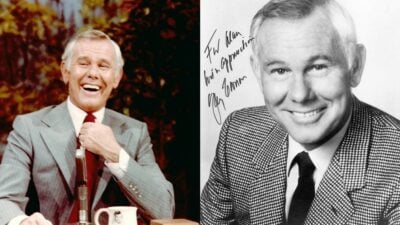
One of the strangest shopping sprees of the 1970s started with a punch line. On the night of Wednesday, December 19, Johnny Carson stood on the Tonight Show stage in Burbank and told roughly 20 million viewers about a shortage he had read about in the paper. The next morning, shoppers from the Bronx to Seattle went looking for toilet paper, and by the weekend many of them couldn’t find any.
Carson took the blame for decades, but the scare didn’t start with him. It started with a worried congressman, a government purchasing office that came up short and a rumor that had already crossed the Pacific, and the way it ended surprised even the paper companies.
Where Did A Congressman Get The Idea Of A Toilet Paper Shortage?
The fall of 1973 was a season of lines, with the Arab oil embargo squeezing gasoline and shoppers already spooked by shortages of everything from electricity to onions. In November, news agencies carried reports of an oil-shock toilet paper rush in Japan. Time magazine reported in its December 3, 1973 issue that Japanese housewives were “still trying to lay in supplies of toilet paper after a rumor spread about a forthcoming dearth of that staple.” A University of Tokyo history timeline dates that panic to November 1, in Osaka’s Senri New Town.
In Washington, Representative Harold V. Froehlich was hearing a different complaint. The 41-year-old Republican represented Wisconsin’s heavily forested Eighth District, where the paper mills were major employers, and his constituents told him pulp paper was getting scarce because companies were exporting more of it to get around federal price controls. On November 16 his office put out a release that began, “The Government Printing Office is facing a serious shortage of paper.” Almost nobody noticed. Then his staff found that the federal government’s National Buying Center had fallen 50 percent short in its bids for 182,050 boxes of toilet tissue, a four-month supply for the country’s bureaucrats and soldiers.
On December 11, Froehlich tried again, and this time the wording had some punch. “The United States may face a serious shortage of toilet paper within a few months,” the release said. “I hope we don’t have to ration toilet tissue. A toilet paper shortage is no laughing matter. It is a problem that will touch every American.” That last line turned out to be truer than he meant.
What Did Johnny Carson Actually Say On ‘The Tonight Show’?
“It got more attention than we ever dreamed of,” one Froehlich aide later told Andrew H. Malcolm of The New York Times. The wire services picked it up, and Japanese correspondents lined up for interviews. Somewhere along the way, as Malcolm reported in his February 3, 1974 account, qualifying words like “potential” fell out of the story.
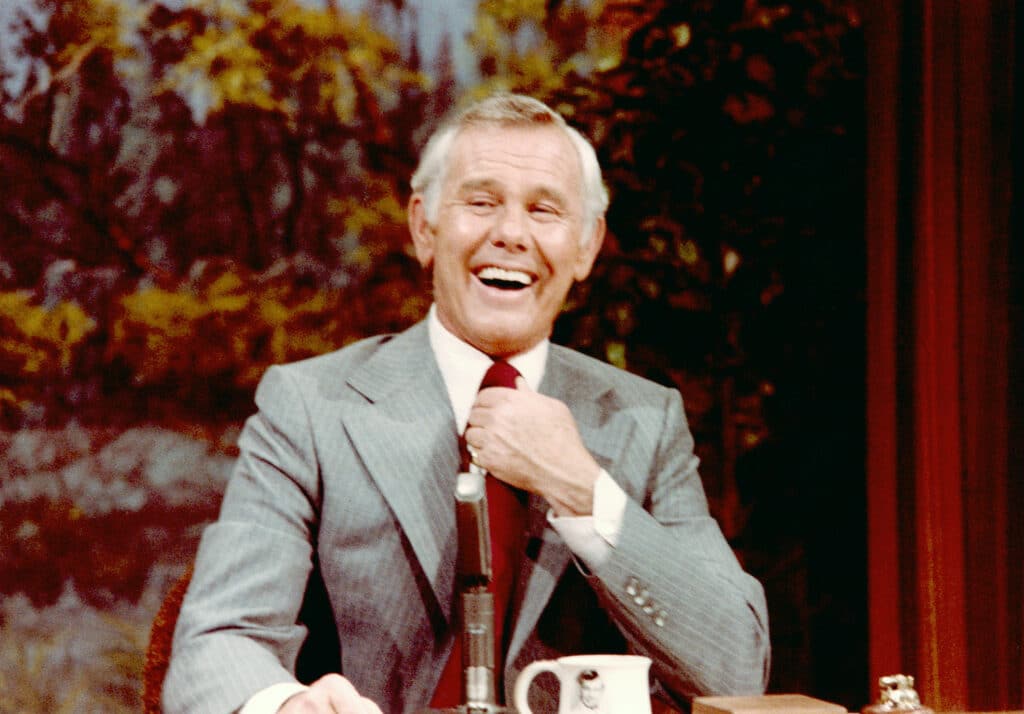
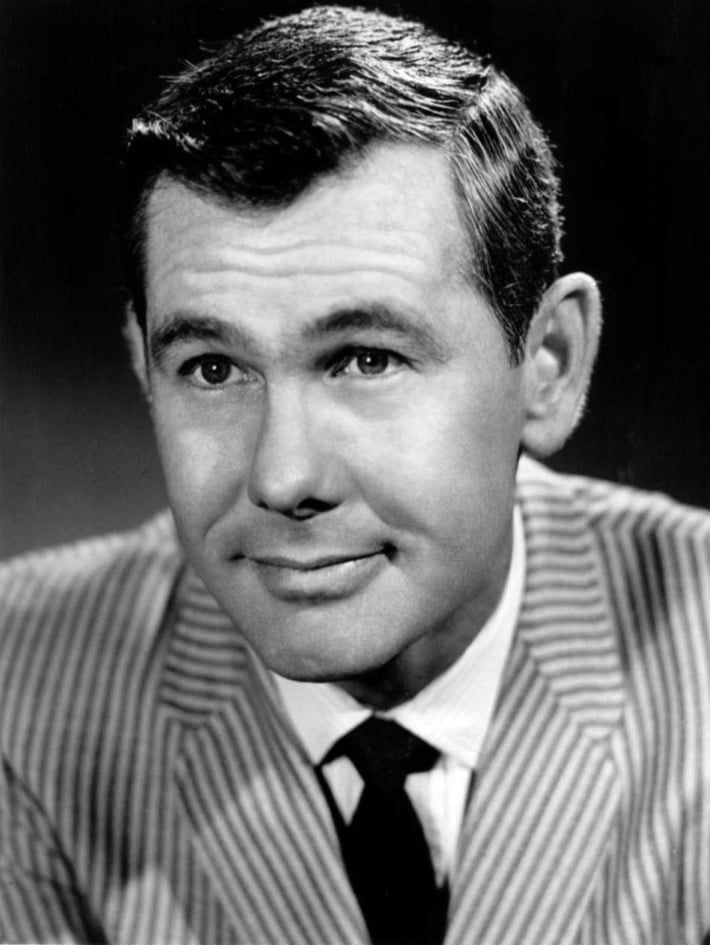
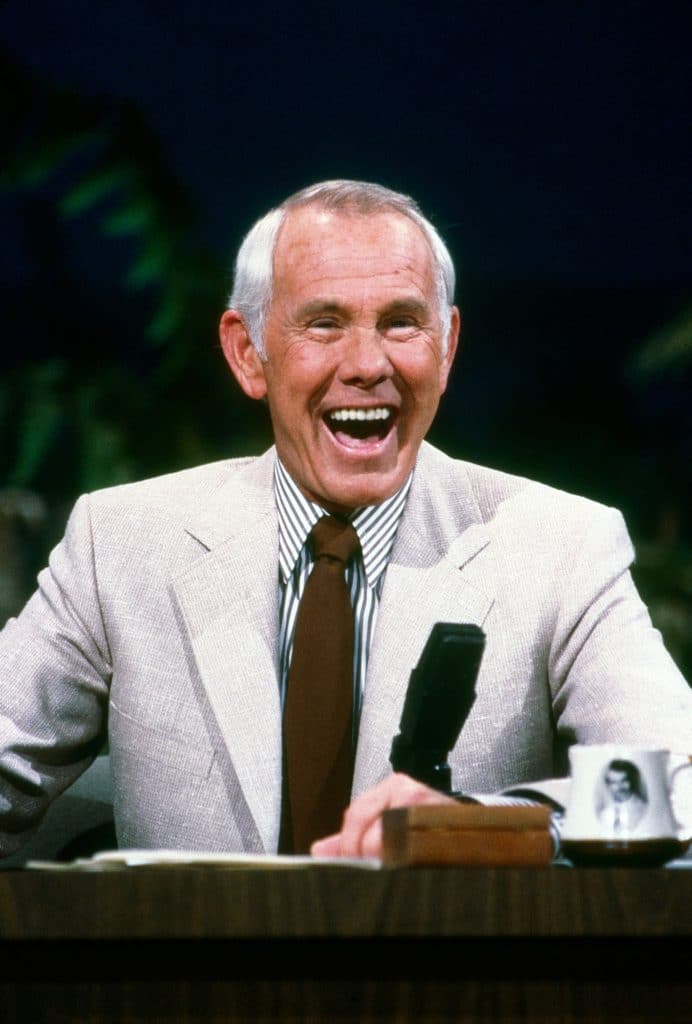
One of the people reading those stories was Carson, who by then had hosted The Tonight Show for more than eleven years, ever since the night Groucho Marx introduced him in 1962. “You know, we’ve got all sorts of shortages these days,” Carson told his audience, according to the Times. “But have you heard the latest? I’m not kidding. I saw it in the paper. There’s a shortage of toilet paper.” In the version that has circulated since, he added the topper, “We gotta quit writing on it!”
How Fast Did America’s Store Shelves Empty?
The binge began on December 20. At the Food Cart store on Lydig Avenue in the Bronx, the manager watched customers check out with $20 worth of toilet paper at a time. “I heard about it on the news,” a Houston shopper, Mrs. Paul McCoy, told the Times, “so I bought an extra 15 rolls.” A Seattle store owner ordered 21 extra cases and received three, so he rationed what he had, which only convinced his customers the shortage was real. When Clare Clark of Jenkintown, Pennsylvania, threw a party and her guests asked what they could bring, she had a ready answer. “I told them toilet paper,” she said.
Stores posted two-roll limits, and some shoppers wheeled out whole cases anyway. Meanwhile, Scott Paper’s Chester plant, which the Times called the world’s largest tissue facility, kept running at full capacity, turning out 7,500 miles of tissue a day. TV crews filmed the rolls streaming off its machines, and company officers went on the air to say there was no shortage if people bought normally. “There are so many credibility gaps today,” one paper executive said, “and we fell into one.”
Did Johnny Carson Ever Take Back The Toilet Paper Joke?
He did, on the air. “I don’t want to be remembered as the man who created a false toilet paper scare,” Carson said, as the Times reported. “I just picked up the item from the paper and enlarged on it somewhat and made some jokes as to what they could do about it. There’s no shortage.”
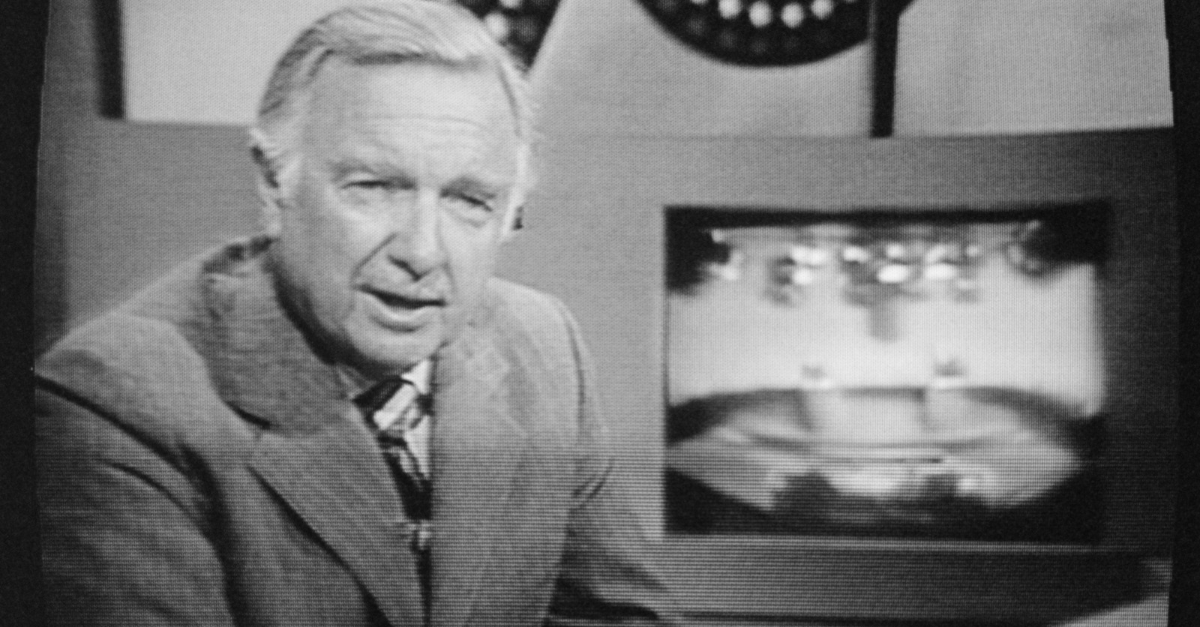
Here is the twist. By the time Carson’s correction sank in, there was a shortage, and the customers had made it themselves. In January 1974, Scott Paper, whose machines had never slowed down, announced it would ration toilet tissue to stores. CBS News has the clip of Walter Cronkite telling viewers that Scott, “citing panic buying on the retail level,” was putting in an allocation system, with a spokesman blaming “unfounded rumors of a shortage.”
The shelves filled back up over the winter, and by early February the Times reported that things were returning to normal. Froehlich issued another release, which was “largely ignored,” lost his seat in the 1974 election and went on to spend 29 years as a circuit judge in Outagamie County, Wisconsin. The rumor mill just moved on, and shoppers were soon whispering about shortages of mustard, birdseed, toilet seats and yellow tennis balls.
“Everyone agrees consumers created the toilet paper shortage,” Kathy Pittenger of Paoli, Pennsylvania, told the paper that winter. “I wonder how many other shortages were created this way. You know, I can’t stand to pass a gas station any more without filling up.”


 The Only ‘The Outsiders’ Cast Members Still Alive Today