

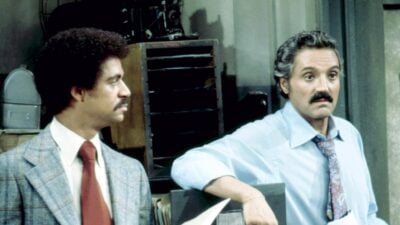
Hal Linden spent eight seasons behind the desk of the shabbiest squad room on television, and when the end came for Barney Miller in 1982, he was not the one who wanted to stop. “I was having a terrific time. I was ready to keep at it,” Linden, now 95, told Emmy magazine in 2025. The decision belonged to Danny Arnold, the perfectionist who co-created the ABC comedy with Theodore J. Flicker, and Linden has had more than four decades to think about whether his boss got it right.
The trouble started with the scripts. “Every year we lost writers because they left to do their own shows,” Linden told the magazine, and by the next-to-last season Arnold was hunting for replacements who could match the show’s dry, talky style. He came back with a blunt verdict for his cast. “All they’re doing is repeating what we just did, so we’re going to close up shop,” Linden recalled him saying.
The Year ‘Barney Miller’ Almost Ended Early
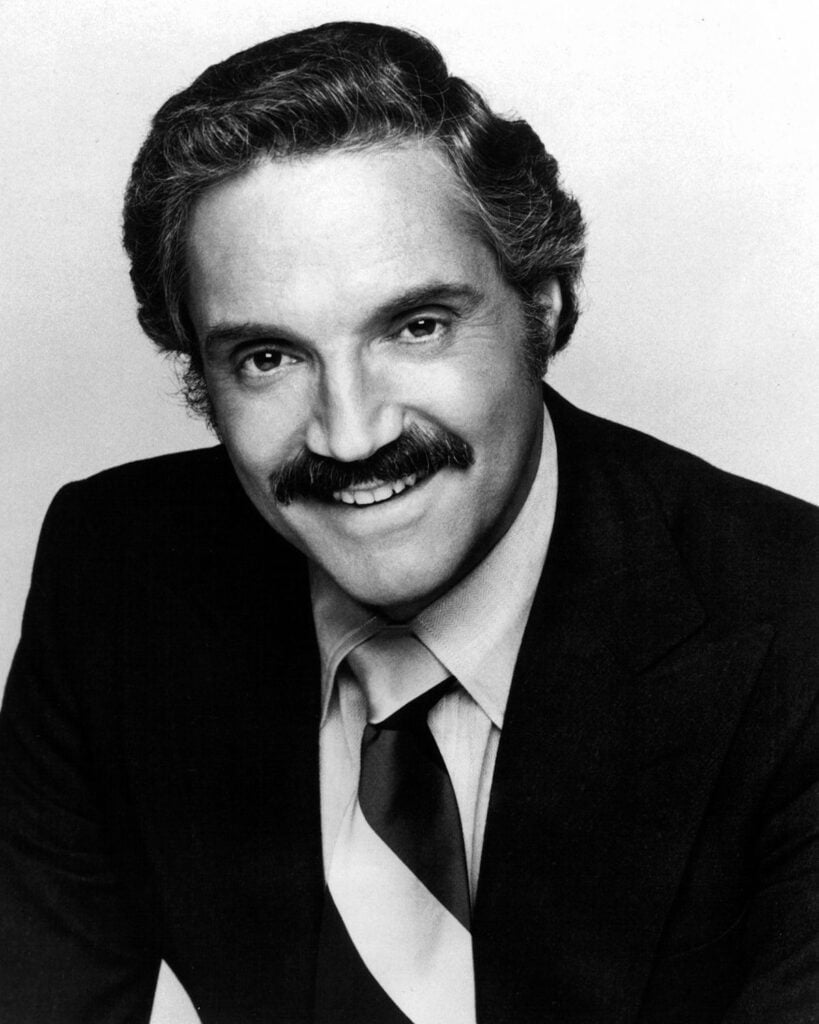
That first goodbye nearly happened a full year sooner. In the spring of 1981, Arnold told the company he planned to end production, and the news landed hard on a set that had become a family. “I never saw so many white faces in one place in my life,” Arnold’s spokesman Bob Garon told Newsday that March. “There were tears in everyone’s eyes, including Hal.”
ABC pushed back, and so did the actors. A wire report carried in March 1982 said the show had returned for its eighth season “only at the insistence of A.B.C. and members of the show’s cast,” and that Arnold had wanted to stop after 1981. The same report, citing Garon, said this time the end was final and pointed to slipping ratings. So the show got one more year, and Arnold used it to plan a proper ending.
The 12th Precinct had already learned how to lose people, though, years before the finale.
The Goodbyes The Squad Room Had Already Survived
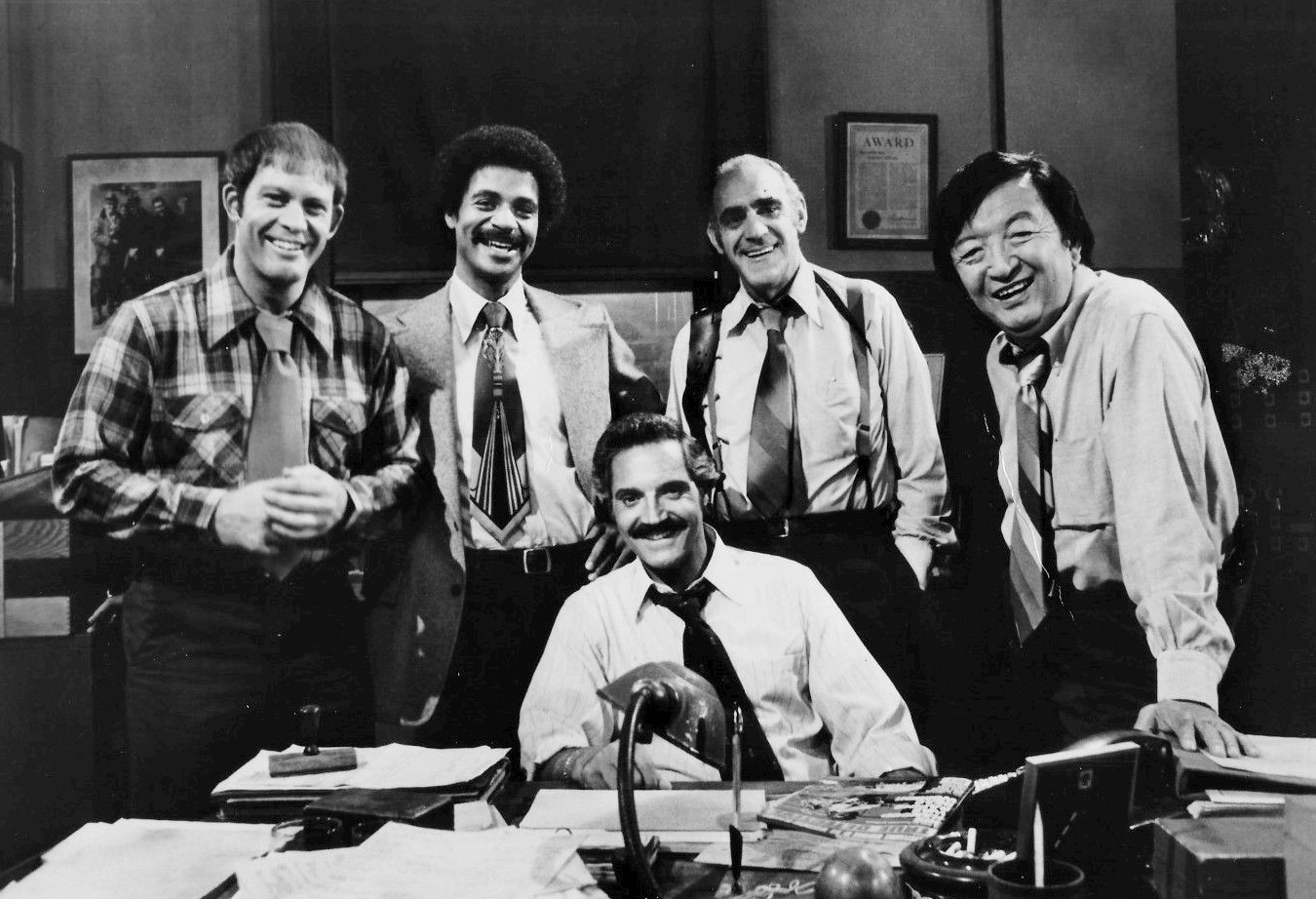
The first big departure was a happy one. Abe Vigoda’s weary Detective Phil Fish, a man who seemed to be counting the minutes to his pension, was popular enough to earn his own series. Fish premiered on ABC on February 5, 1977, with Phil and his wife Bernice taking in a houseful of foster kids, and it ran until May 1978. The precinct had to carry on without its most famous complainer.
The second loss was real and much harder. Jack Soo, who played the dry, coffee-brewing Detective Nick Yemana, was diagnosed with esophageal cancer during the fourth season. He came back for the fall of 1978 and managed only a handful of episodes before he died on January 11, 1979, at 61. According to The New York Times, he joked “It must have been my coffee” as he was wheeled into surgery, a line that was pure Yemana.
The cast did not pretend nothing had happened. That May, the season ended with “Jack Soo: A Retrospective,” in which the actors stepped out of character to remember their friend. “We did a memorial show, sitting on set, giving speeches we’d written about how we felt about him,” Linden told Emmy magazine. When the clips were done, they lifted their coffee cups to him.
How The ‘Landmark’ Finale Closed The 12th Precinct
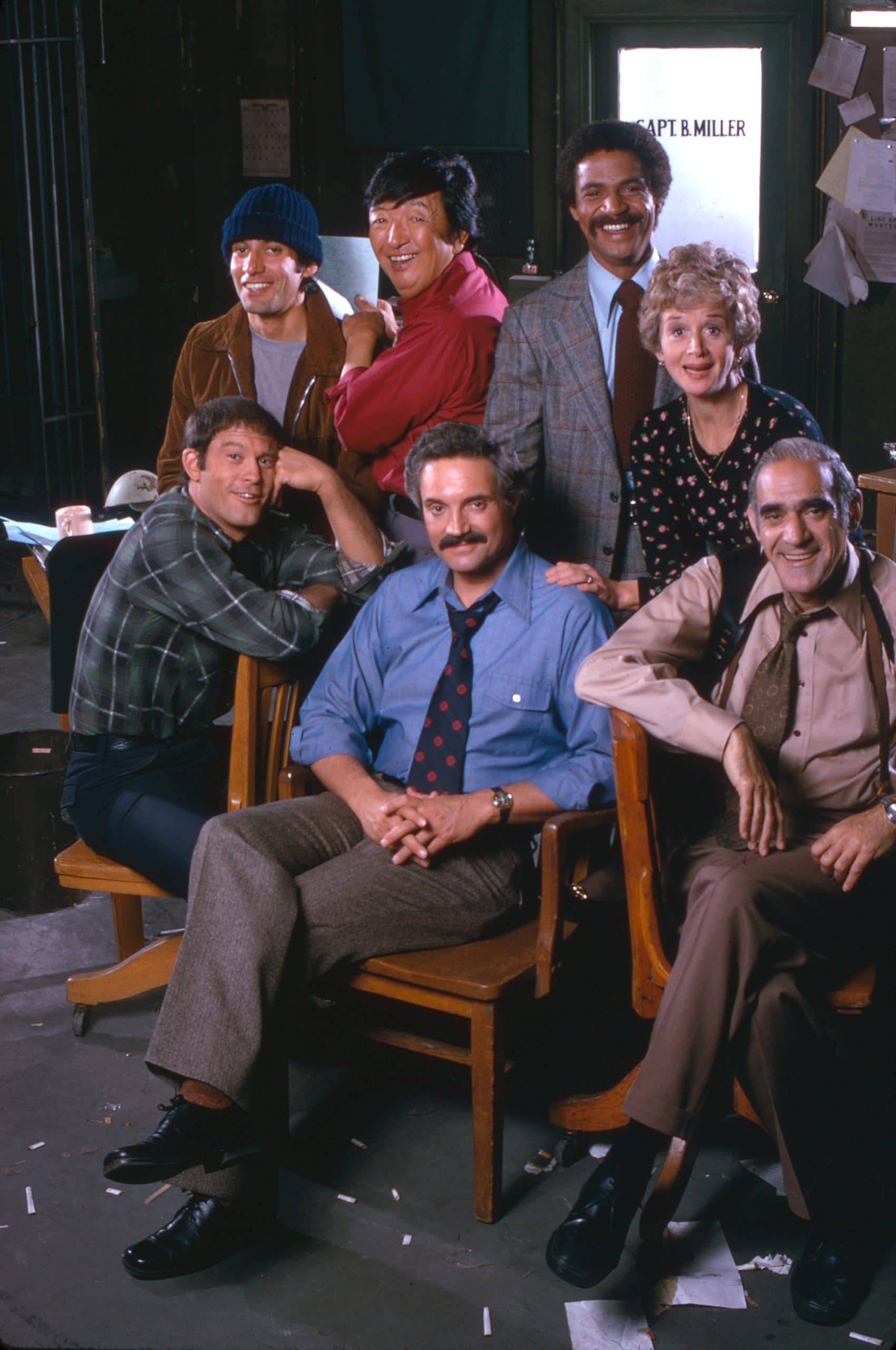
When Arnold finally wrote the ending, he made the building the story. In the three-part finale “Landmark,” which aired on May 6, 13 and 20, 1982, an antique rifle Wojo finds ties the old station house to Theodore Roosevelt, who ran the city’s police board in the 1890s. The building is declared a historic landmark and sold to developers, and the squad has to clear out. Arnold directed the last two parts himself.
The final half hour is a parade of friends and felons stopping by as the detectives pack up and receive their new assignments, which scatter them across the city. Barney is promoted, Levitt finally makes sergeant, and Barney turns out the lights on the squad room one last time. The A.V. Club later noted how unusual it was for a finale to be about a place instead of the people in it.
Many of the faces in that room are gone now. Ron Carey, who played Officer Levitt, died in January 2007 at 71, and Steve Landesberg, the unflappable Dietrich, died in December 2010 at 74. Ron Glass, the dapper novelist-detective Harris, died in November 2016 at 71, ten months after Vigoda died at 94. This fall brought another loss, when Barbara Barrie, who played Barney’s wife Elizabeth, died at 95 on October 28. Linden and Max Gail, 83, who played the big-hearted Wojo, are the last surviving stars of the original squad.
The Honor That Came After The Lights Went Out
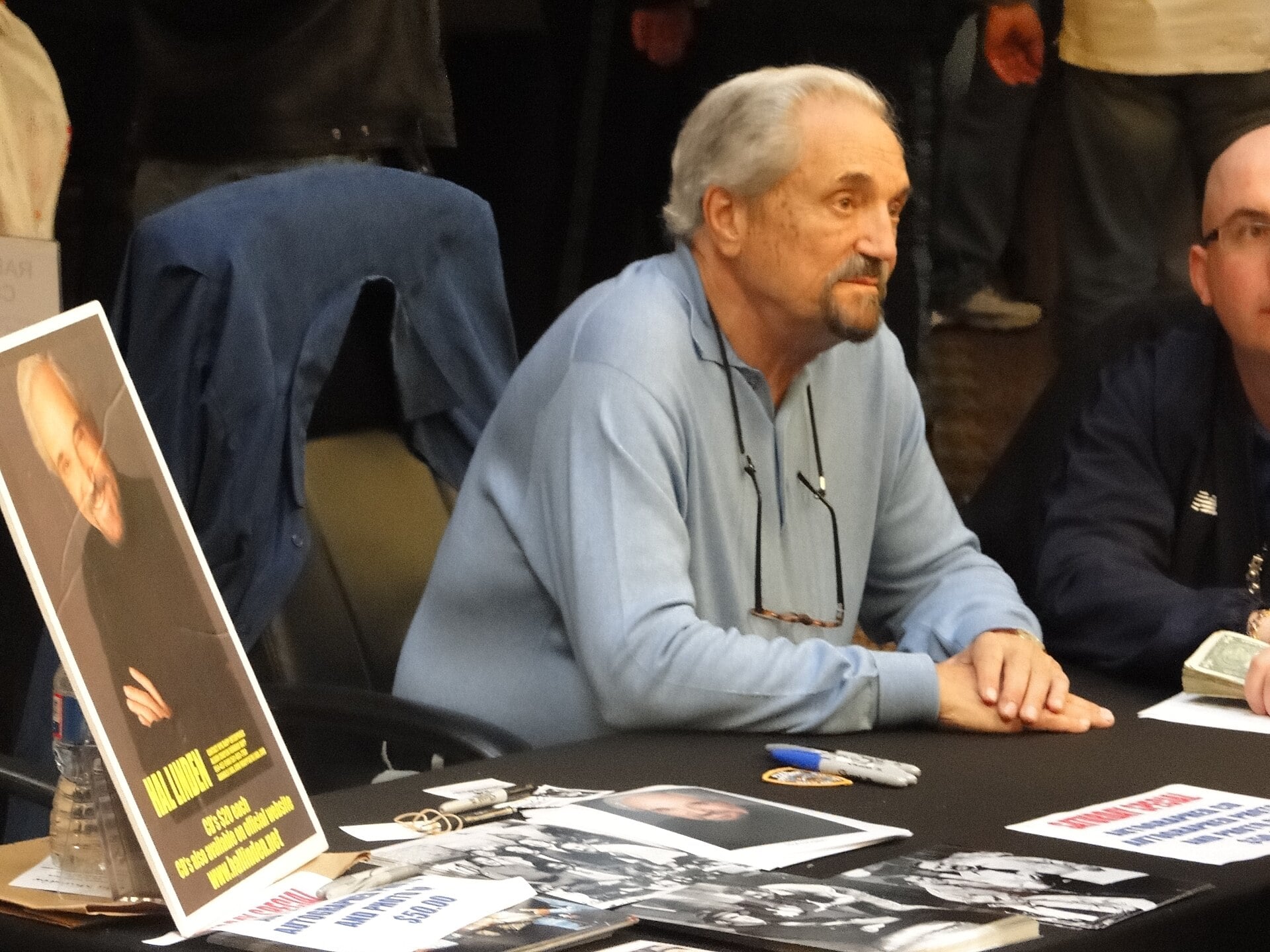
The show’s biggest prize arrived after it was already off the air. Barney Miller had been nominated for Outstanding Comedy Series again and again and had never won. On September 19, 1982, four months after Barney closed the precinct door, it finally took the Emmy, beating M*A*S*H, Taxi, WKRP in Cincinnati and Love, Sidney. A show that the 1982 wire report had described as ending on low ratings went out as the best comedy on television, by the academy’s own vote.
Police officers had their own verdict. In his 2013 Television Academy Foundation interview, Linden looked back on the show’s legacy, and the Foundation’s summary of that conversation notes that many police officers called it the most realistic depiction of their job ever seen on television. That is quite a thing to say about a sitcom with one set and no car chases.
Linden kept working well into his 90s, turning up in a 2024 episode of Hacks, and he has made his peace with the call he once fought. He was having fun, he was ready to do more, and he would have kept showing up at that desk. “But Danny was right,” he said.


 ‘Lassie’ Star Tommy Rettig Wanted A Normal Life At 15, And Jon Provost, 76, Became Timmy