

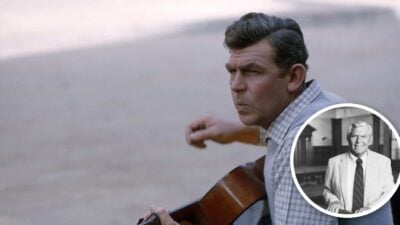
In the spring of 1968, the most-watched half hour on American television belonged to a small-town sheriff who rarely bothered to carry a gun. The Andy Griffith Show finished its eighth season as the No. 1 program in the Nielsen ratings, and CBS had every reason to keep it going. The man whose name was in the title ended it anyway.
Andy Griffith was 41 when his last episode aired on April 1, 1968, and he walked away on his own terms, with a movie deal waiting and a plan to try something bigger. What he found on the other side surprised him, and he spent years talking honestly about what that decision cost.
How Did ‘The Andy Griffith Show’ End At No. 1?

Griffith had been talking about leaving almost from the start. He told people he would give the show five years, and Don Knotts believed him so completely that he lined up a film contract and left Barney Fife behind in 1965. Then Griffith changed his mind and stayed on, a reversal that still stung his best friend decades later, as Knotts explained in the story of why Don Knotts left the show.
Mayberry kept its audience without him. The show switched to color in its sixth season and leaned on newer neighbors like Goober, Howard Sprague and Emmett, and its ratings never sagged. For the 1967 to 1968 season it ranked first in all of prime time with a 27.6 Nielsen rating. Only two other series have gone off the air sitting on top of the ratings, I Love Lucy in 1957 and Seinfeld in 1998.
In 1967, Griffith announced that the eighth season would be his last, and CBS went looking for a way to keep Mayberry open without him.
What Andy Griffith Said About Walking Away
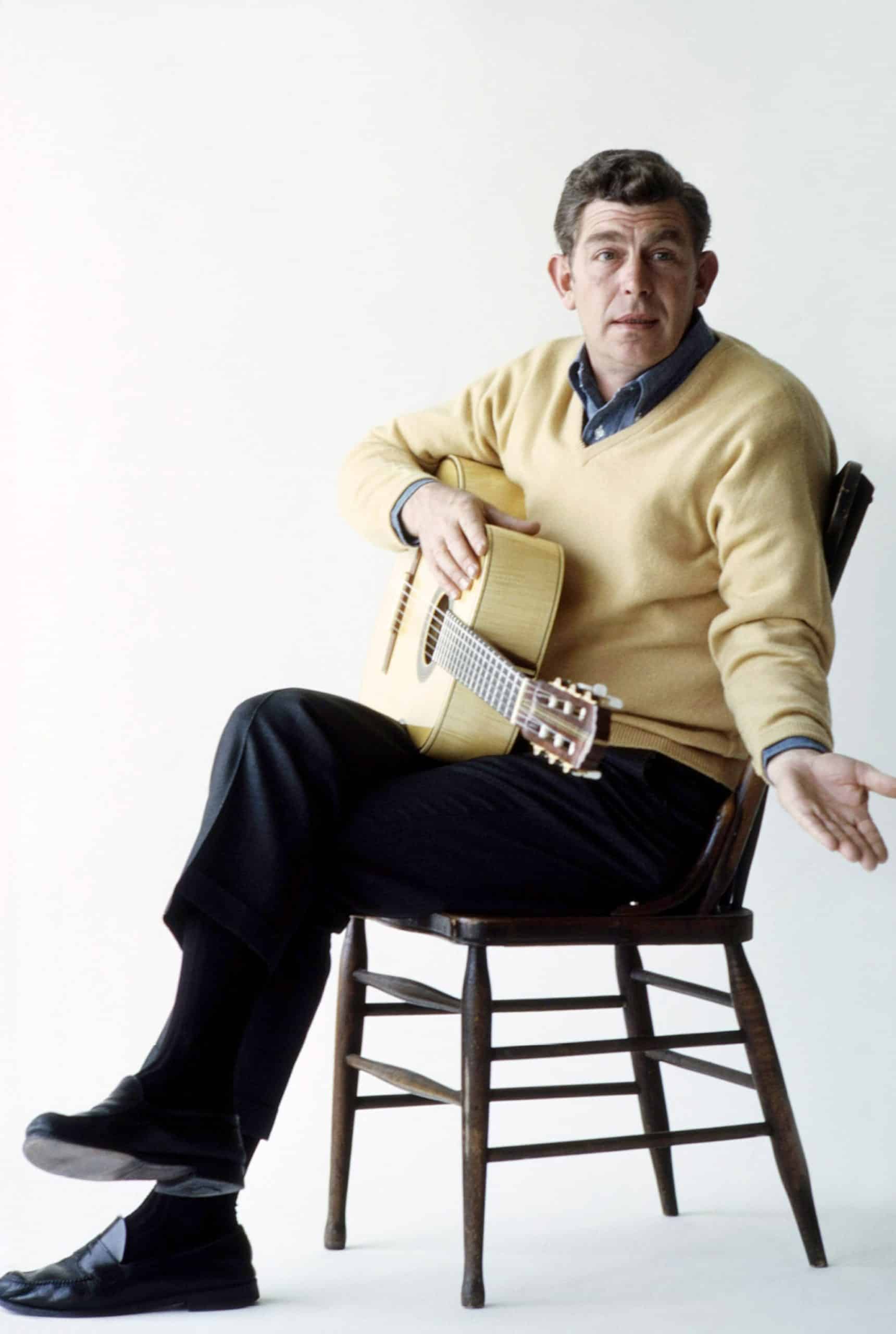
When Griffith sat down with the Archive of American Television in Manteo, North Carolina, in May 1998, he laid out his reasons plainly, as Showbiz Cheat Sheet later reported. Don “was gone, and the show had gone into color from black and white,” he said. “And it was getting like a regular situation comedy. And I was afraid I wasn’t holding up my end of it any longer. Also, I wanted to try my wings outside.”
He told the Press of Atlantic City much the same thing, in remarks MeTV later revisited. “I wasn’t doing the series justice because I had done it for so long,” he said, adding that his concentration just wasn’t there anymore.
His longtime manager, Dick Linke, saw a man running on empty. “Andy had gotten to the point where he was physically and mentally tired,” Linke told author Richard Kelly for his 1981 book on the show. He told People in 1979 that Griffith “figured that the show had run its course, that he wanted to do more serious things.”
How Mayberry Kept Going Without Its Sheriff
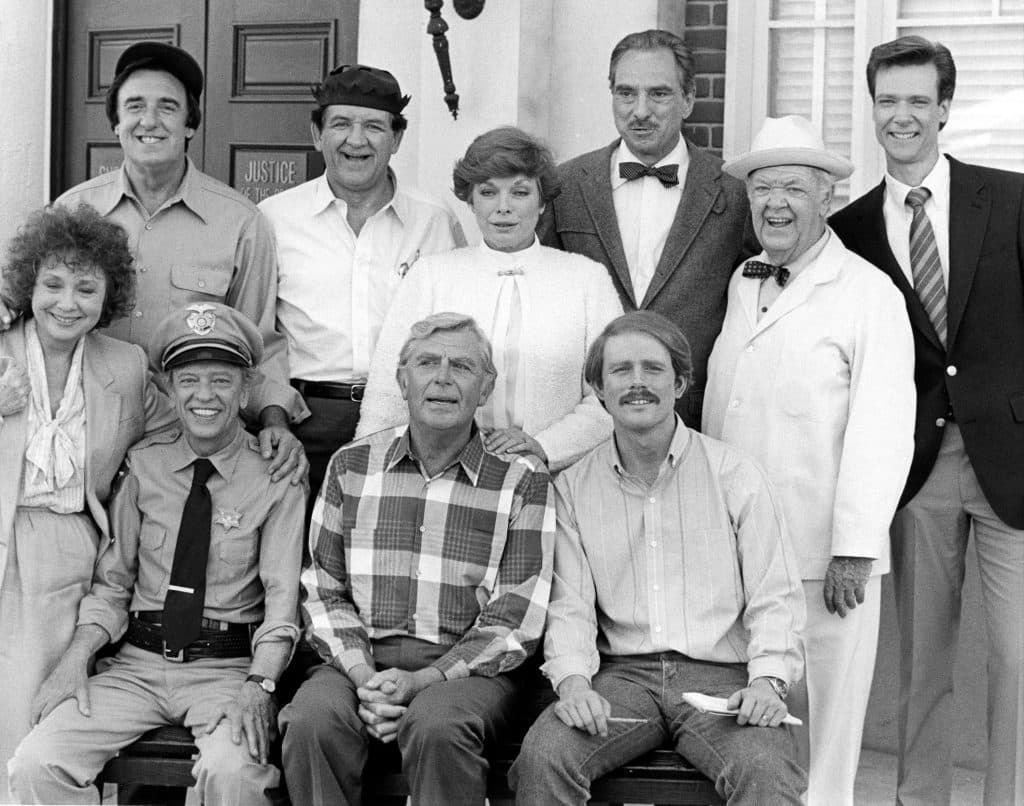
The handoff happened right on screen. During that final season, a widowed farmer named Sam Jones, played by Ken Berry, moved into the stories along with his young son Mike, played by Buddy Foster. Week by week, Sam took over Andy’s scenes. The last episode, titled “Mayberry R.F.D.,” was really Sam’s story, built around a friend arriving from Italy to work his farm.
On September 23, 1968, Mayberry R.F.D. premiered on CBS with Andy Taylor finally marrying Helen Crump and Barney back home as his best man. Aunt Bee went to keep house for Sam. Griffith stayed on as executive producer, read the scripts, and dropped in as Andy for a handful of episodes until late 1969, when Andy and Helen left town for good.
Mayberry R.F.D. ranked fourth in each of its first two seasons and was still 15th when CBS canceled it in the 1971 “rural purge” that also cleared out The Beverly Hillbillies and Green Acres. Mayberry did fine without him, which is more than he could say for himself.
The “Deep Panic” That Followed
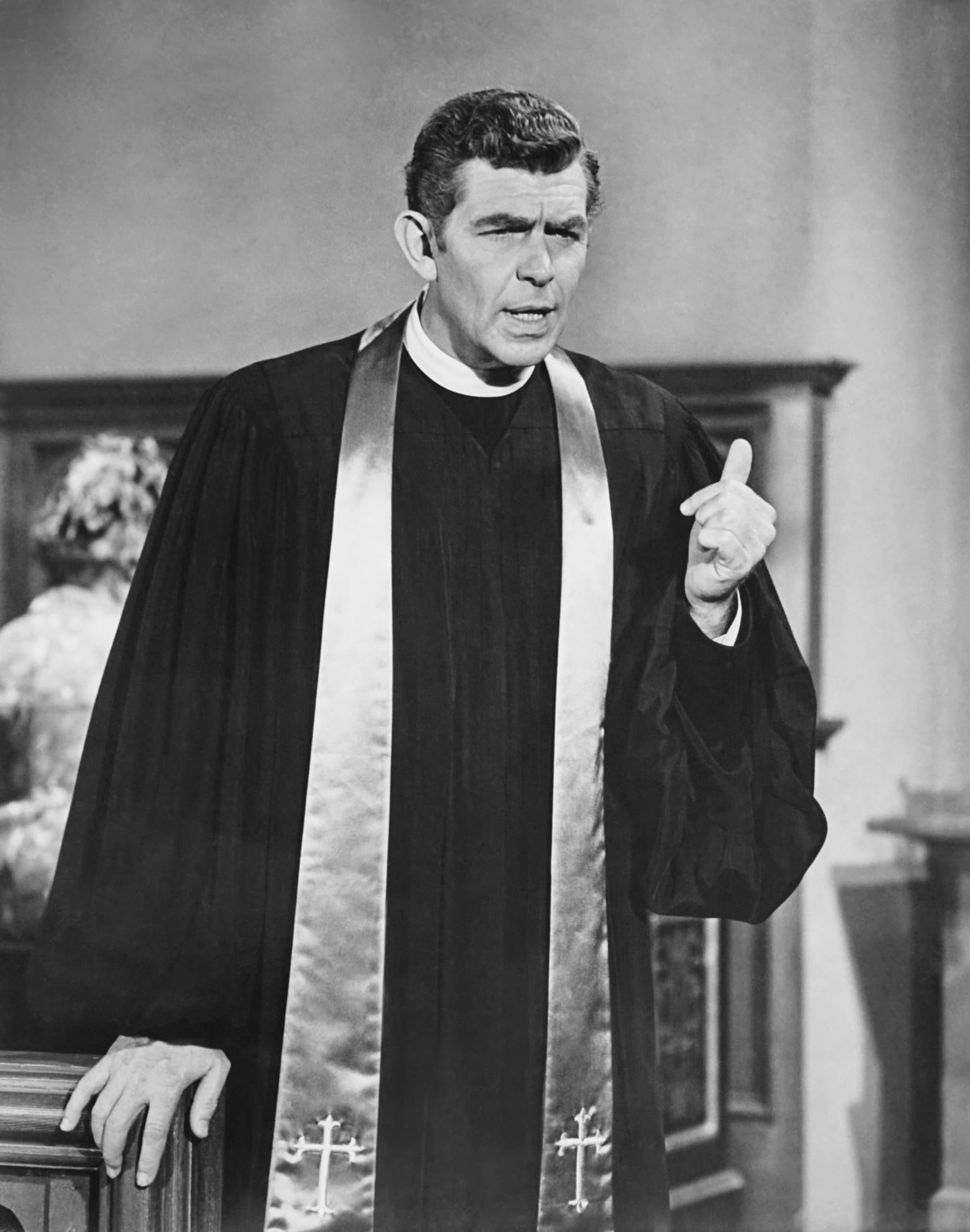
Griffith’s first move was the big screen. Universal released Angel in My Pocket in time for Easter 1969, with Griffith as a well-meaning young minister trying to win over a feuding small-town congregation. According to Turner Classic Movies, it was meant to be the first of several pictures under his deal with the studio. The box office was so disappointing that Universal dropped the rest.
Griffith waited for the next offer and heard nothing. “A deep panic set in,” he told People in that same 1979 interview, “mostly when I went down to North Carolina and after two weeks nothing came in the mail, no outlines, no scripts, no phone calls.” The thought of Hollywood carrying on without him was worse. “The idea that the movie community was running along so beautifully without me,” he said, “man, it drove me up the wall.”
Television took him back, but slowly. His school drama Headmaster came and went in the 1970 to 1971 season. The New Andy Griffith Show followed in January 1971 and lasted only ten episodes, and our look at how hard it was for Griffith to recreate Mayberry tells that part of the story.
Years later, he looked back on the choice without excuses. “I felt I could tackle something better; I wanted to make movies,” he told the Press of Atlantic City. “But I was wrong. I didn’t work again for a long time.”
The work did come back, and it came back big. Matlock premiered on NBC in 1986 and ran nine seasons, finishing on ABC in 1995, and a whole new generation came to know him as a folksy Atlanta defense lawyer who loved hot dogs.
Griffith died at his home in Manteo on July 3, 2012, at 86. By then he had made his peace with the town he left at the top of the ratings. “Mayberry meant a lot to many people,” he told the Press of Atlantic City, and he never stopped counting himself among them.

 Lyle Waggoner Left ‘The Carol Burnett Show’ After 7 Seasons, And His Real Fortune Came From Something He Noticed On Set