

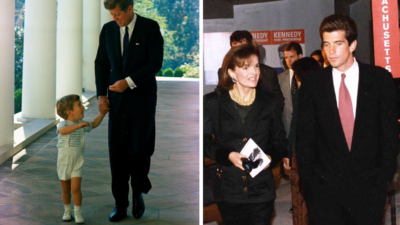
On Monday, November 25, 1963, the flag-draped casket of President John F. Kennedy was carried out of St. Matthew’s Cathedral in Washington toward the caisson that would take it to Arlington National Cemetery. His widow waited outside with their two children, and their son, John Jr., turned three years old that day. As the casket passed, the little boy let go of his mother’s hand and raised his right hand to his brow in a salute that ran on front pages around the world the next morning.
This Wednesday, November 25, 2026, John F. Kennedy Jr. would have turned 66. The salute is still the picture most people carry of him, but few know how close it came to going unseen, or what his mother leaned down and told him just before his hand went up.
A State Funeral On His Third Birthday
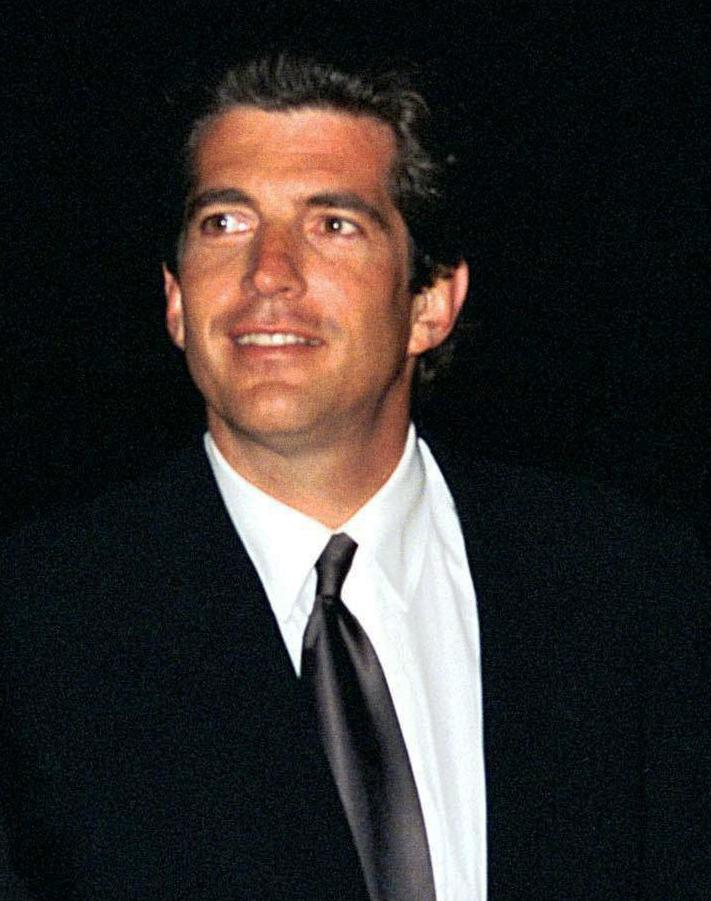
John Fitzgerald Kennedy Jr. was born in Washington on November 25, 1960, about two weeks after his father won the presidency, and he spent nearly all of his first three years in the White House. When the state funeral was set for three days after the shooting in Dallas, it landed on his birthday. The family went ahead with a small celebration upstairs at the White House later that day, which Secret Service agent Clint Hill never forgot. “They had just laid his father to rest, saddest day in the world, and now they’re supposed to have a birthday celebration,” Hill recalled in JFK Jr.: An Intimate Oral Biography by Liz McNeil and RoseMarie Terenzio, excerpted by People in 2024.
The salute itself had been rehearsed. Hill has said Jacqueline Kennedy wanted her son to salute at a Veterans Day ceremony his father was due to attend at Arlington, and the boy had a habit of using his left hand, Town & Country reported in 2023. During the funeral Mass, after he grew upset and was taken to a side room, a Marine colonel showed him the proper right-handed version, according to accounts in Town & Country and IrishCentral.
The Photographer Who Kept His Eye On Jackie

Stan Stearns, a 28-year-old photographer for United Press International, was wedged into a press pen outside the cathedral with roughly 70 other photographers. “All squeezed in an area for 30,” he wrote later in an account UPI published in 2013. While others followed the casket, he kept his 200mm lens on the widow. “She bent down and whispered in her son’s ear,” Stearns remembered. “John-John’s hand came up to a salute. Click!” It was one exposure on a roll of 36.
Then he made a choice that nearly cost him his job. He was supposed to walk with the caisson to Arlington, but when he asked around, the answer was “Nobody saw it.” He carried his film back to the bureau instead, where Frank Tremaine, UPI’s general manager for news pictures, told him, “You better have the picture of the funeral or you’re fired.” Once Stearns had developed the negative himself, the bureau manager looked it over and admitted, “He does have the picture of the funeral.”
He was not alone after all. Dan Farrell of the New York Daily News caught a single frame from about 150 feet away, and his paper ran it on the next day’s front page under the headline “We Carry On,” Town & Country reported. Stearns had seen the whisper, but he was too far away to hear it.
Growing Up Inside That Picture
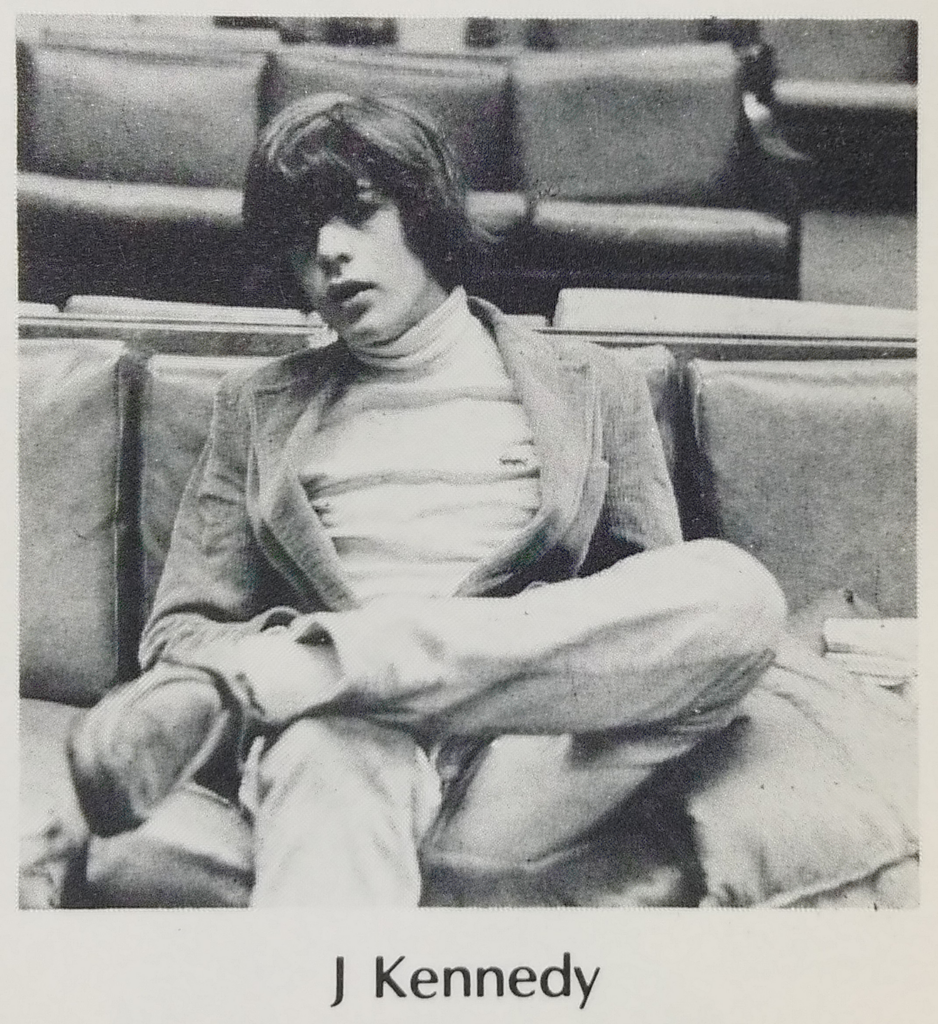
John spent the rest of his life being recognized by strangers who had last seen him at three. After Brown University and law school at NYU, he failed the New York bar exam twice before passing on his third try in 1990, then spent about four years as a Manhattan prosecutor. In 1995 he and Michael Berman launched George, a magazine that treated politics like pop culture, and on September 21, 1996, he married Carolyn Bessette in a private ceremony on Cumberland Island, Georgia.
He almost never talked about Dallas. “It was a topic that John did not discuss,” his friend and biographer Steven M. Gillon, author of America’s Reluctant Prince, told People in 2019, as Fox News reported. Gillon remembered John telling him, “I don’t understand why people are so fascinated with my father’s death.” Years later, on a walk through the East Village, his friend Sasha Chermayeff pointed out that her 3-year-old son was exactly the age John had been when his father was killed. “You never get over it,” he told her, a memory she shared in the McNeil and Terenzio book.
On July 16, 1999, the small plane John was piloting went down in the Atlantic off Martha’s Vineyard. He was 38. Carolyn, 33, and her sister Lauren Bessette, 34, died with him. The National Transportation Safety Board later found that he lost control of the plane during a descent over water at night because of spatial disorientation.
What Jackie Said Before His Hand Went Up
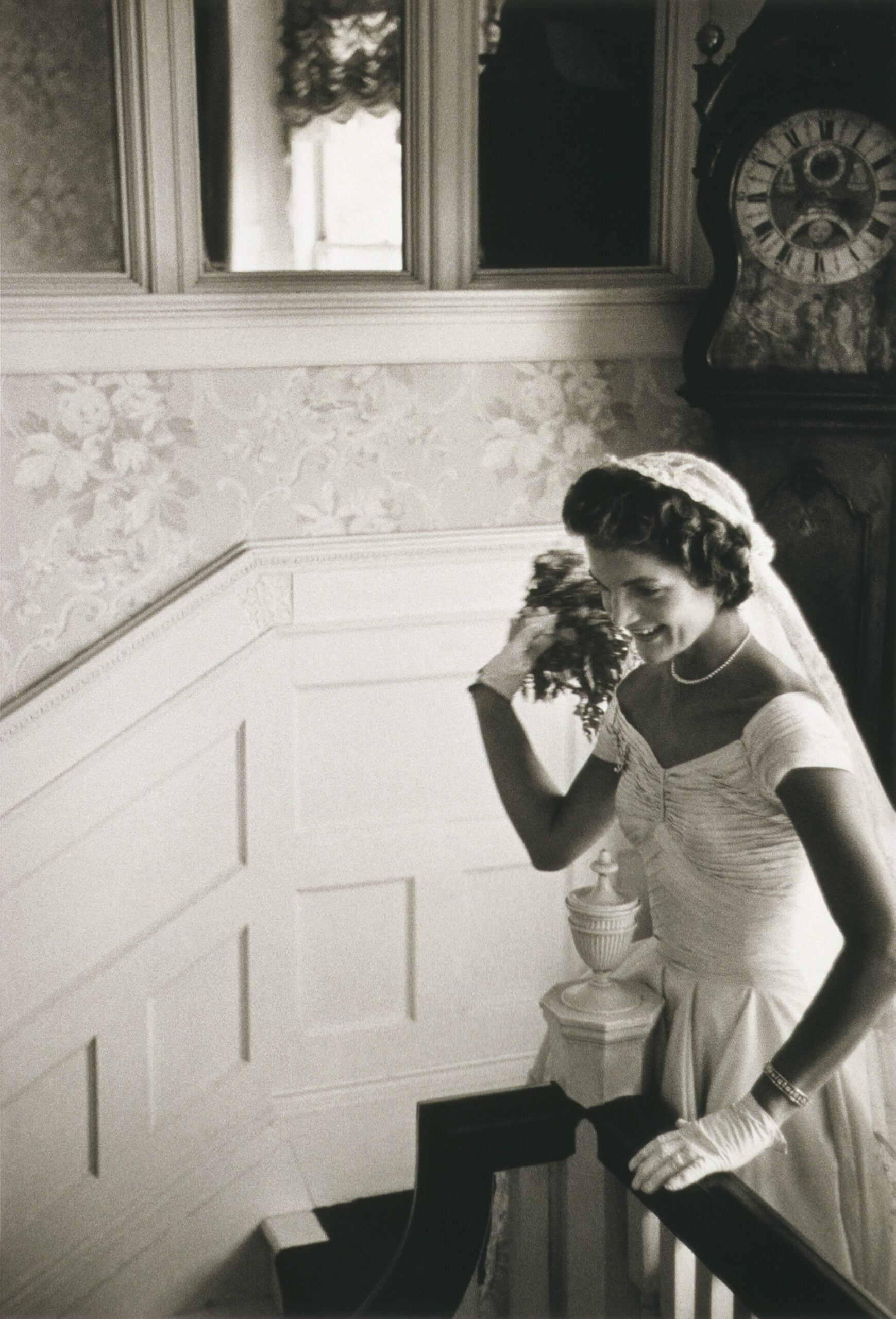
Philip Hannan, the auxiliary bishop of Washington, was standing beside John at the curb. He told historian William Manchester that he heard Mrs. Kennedy say, “John, salute,” and he knew at once what he was looking at, calling it “the most poignant picture of the century.” The crowd around them understood too. “It was an instantaneous reaction,” Hannan said. “They broke down.”
From the press pen, Farrell described the same two words, and he remembered that the boy did not move the first time. “She said, ‘John, salute.’ He didn’t respond at first,” Farrell recalled, according to Town & Country. So she asked again, “John-John, salute,” and her son let go of her hand.
Decades later, when a colleague at George asked whether the magazine might ever dig into the assassination, John explained to Gillon why even finding every answer would not matter as much as people assumed. “It would not change the central operative fact that I don’t have a father.”

 ‘Night Court’ Star John Larroquette Kept Winning Emmys, Then Took Himself Out Of The Race