

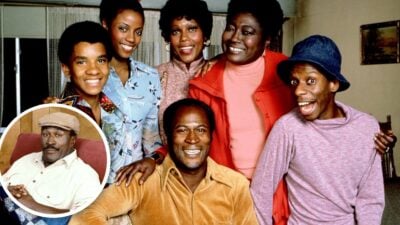
When Good Times came back for its fourth season on September 22, 1976, viewers found out in the premiere that James Evans was dead. The Chicago dad who worked two and three jobs to keep his family in the projects had been killed in a car accident in Mississippi, just as he was about to move everyone out. Florida’s grief in the kitchen, when Esther Rolle smashed a bowl and cried “Damn! Damn! Damn!”, is still one of the most remembered scenes in 1970s television.
The real reason James was gone had nothing to do with a car. John Amos had been let go by producer Norman Lear that spring, after three seasons of arguing with the show’s writers about who the Evans family should be. Amos, who died in 2024 at 84, talked about the firing for the rest of his life, and what he eventually said to Lear himself surprised a lot of people who knew the story.
How Did John Amos Become Florida’s Husband?
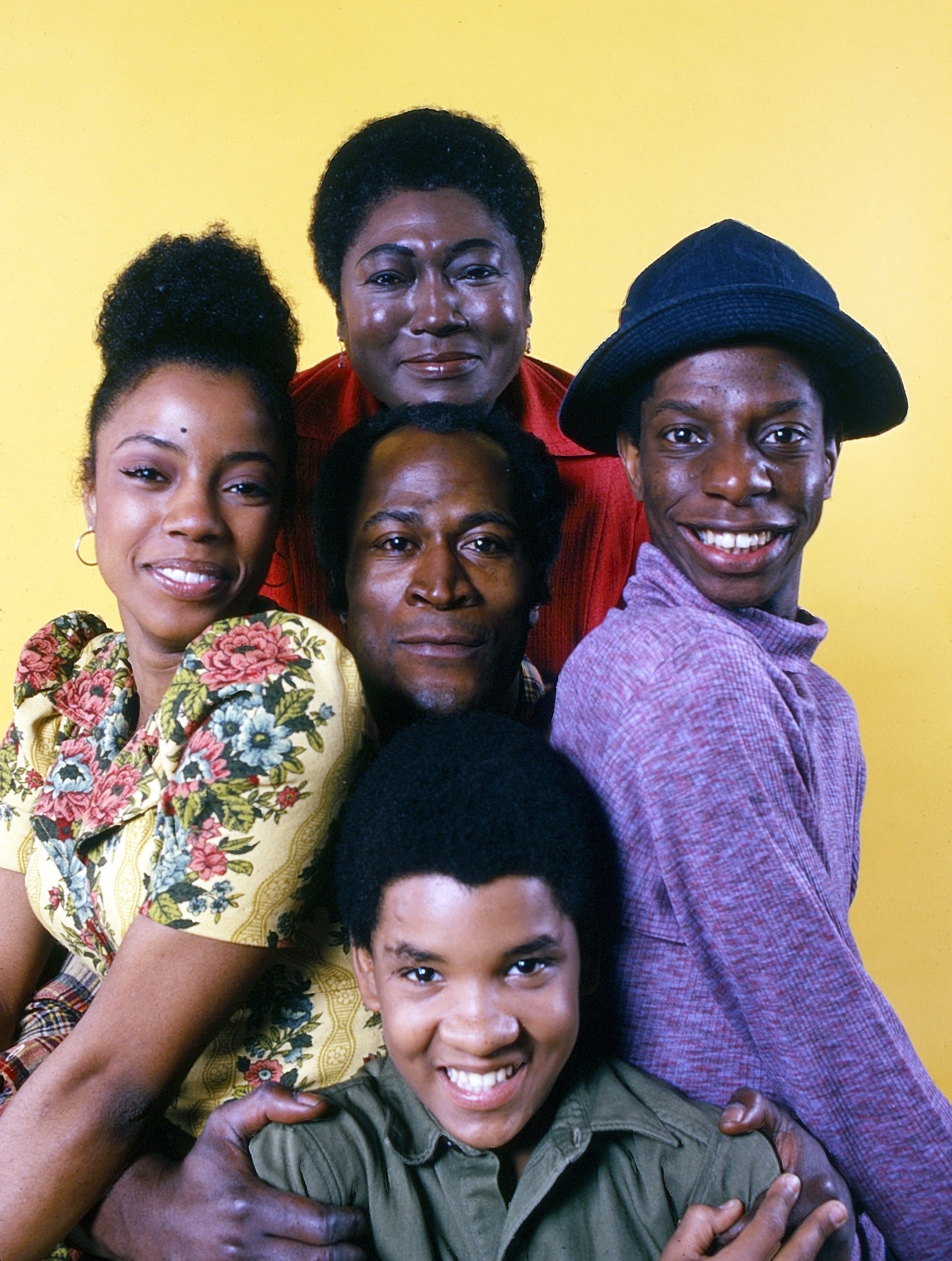
Florida Evans started out as Maude’s housekeeper on Maude, and Amos played her husband, a firefighter named Henry, in three episodes there. When Lear spun Florida off into her own CBS show, which premiered February 8, 1974, the husband came with her and got a new name. “They’d like you to come in and read with Miss Rolle,” he was told. “It’s going to be her show.”
James Evans became something television had rarely shown: a Black father who was strict and funny and always present at the dinner table. In a 2014 interview with the Television Academy Foundation he explained what made the family real to him. “Everything worked except the jobs,” he said. James was always between jobs or working too many of them, and that struggle gave the early seasons their heart.
Then a skinny comedian named Jimmie Walker started getting the biggest laughs on the set, and the balance of the show began to shift.
What Did John Amos Object To On ‘Good Times’?
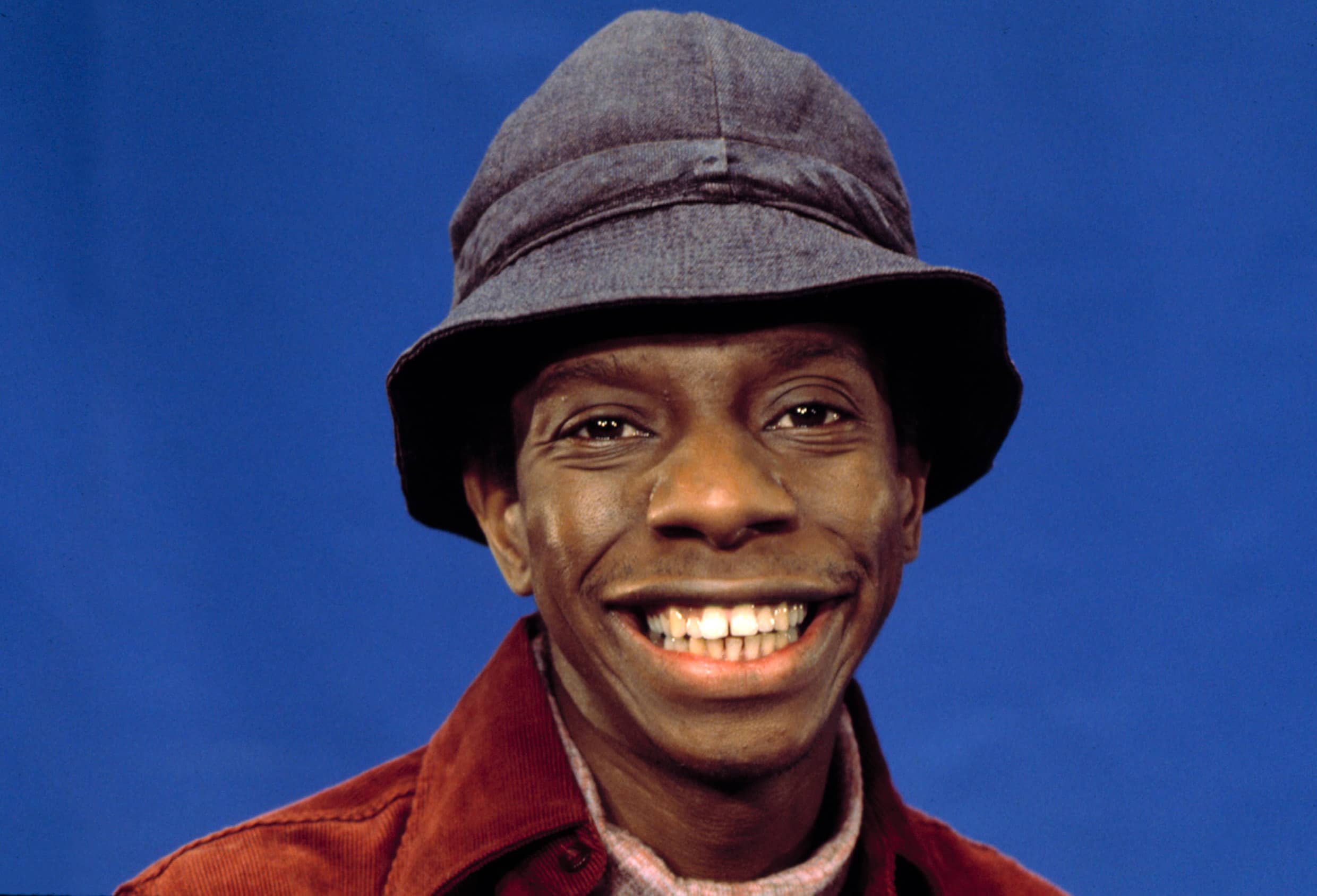
Walker’s J.J. and his “Dy-no-mite!” turned into a national catchphrase, and the writers leaned on it hard. Amos thought the show was trading its family stories for cheap gags. “I felt too much emphasis was being put on J.J. in his chicken hat, saying ‘Dy-no-mite!’ every third page,” he told the Television Academy. He took his complaints straight to the writers, and not gently.
Esther Rolle was just as unhappy, and she said so publicly in a September 1975 interview with Ebony. “He’s 18 and he doesn’t work,” she said of J.J. “He can’t read and write. He doesn’t think.”
Lear saw the same tension from the other side. In his 2014 memoir, Even This I Get to Experience, he wrote that all the attention on J.J. had left Amos “glum and dispirited,” as NPR noted after Amos died. By the spring of 1976, Lear had made a decision.
How Did ‘Good Times’ Write Him Out?
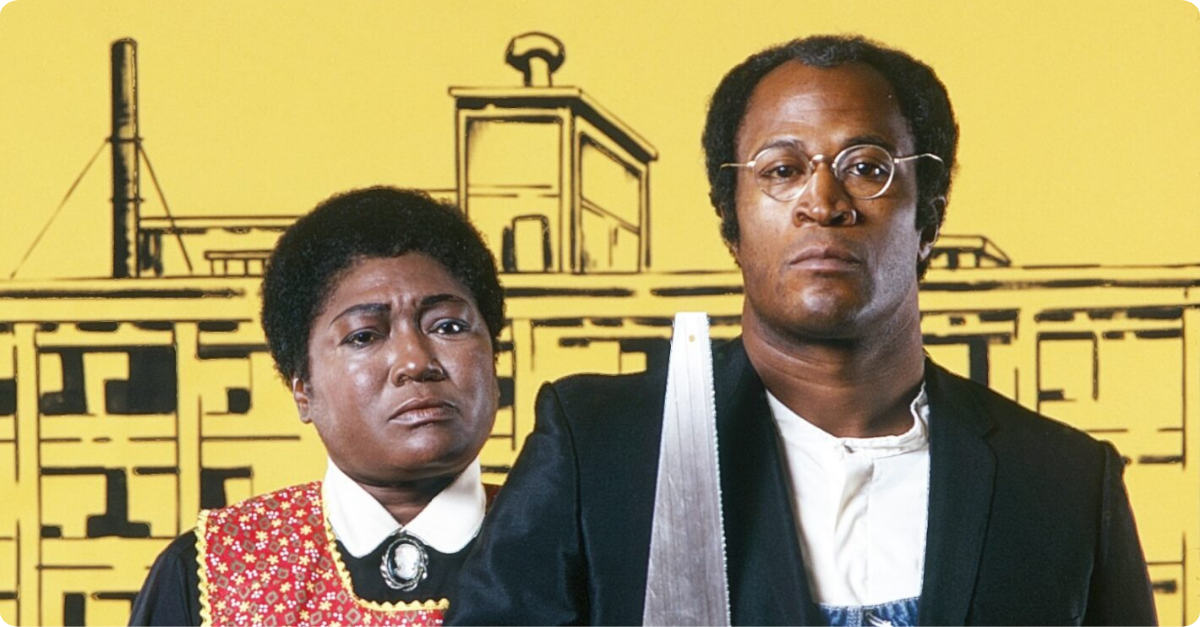
Amos got the news by phone during the hiatus. “Norman Lear called me a month ago and told me my option (with Good Times) was not being picked up,” he told Jet in a story published May 27, 1976. “That’s the same as being fired.” His reply, as he later recalled it, was short. “What can I say? It’s your show. Have a good life.”
The producers chose not to recast James. As Amos told the story to the Television Academy, the conversation in the writers’ room went something like “Why don’t we kill him off? Life’s too short.” So the two-part premiere, “The Big Move,” sent James to Mississippi to set up an auto repair business and never brought him home. Rolle carried the episode, and an exit that started in a contract office became real grief for the families watching.
Losing her TV husband did not make Rolle any happier with the scripts. At the end of the fourth season in March 1977 she left as well, and Florida was written off to marry a man named Carl Dixon and move to Arizona. When Rolle agreed to come back for the sixth season, which began September 16, 1978, her conditions included better scripts and a more responsible J.J. The series ended August 1, 1979.
Amos, meanwhile, had already moved on, and the role that came next was far bigger than a sitcom dad.
What Did John Amos Tell Norman Lear Years Later?

In January 1977, less than a year after the firing, Amos played the adult Kunta Kinte in ABC’s Roots and earned an Emmy nomination. And in April 1994, Lear did something few people expected. He cast Amos as the lead in 704 Hauser, a CBS sitcom about a Black family named the Cumberbatches who move into Archie Bunker’s old house in Queens. CBS ordered only six episodes.
By the time he sat down with the Television Academy in 2014, Amos was blunt about his own part in the split. “That taught me a lesson,” he said. “I wasn’t as important as I thought I was to the show or to Norman Lear’s plans.” “I don’t blame Norman Lear for having fired me,” he said, and he told Lear so directly when he attended a celebration of Lear’s work in Las Vegas. Lear laughed, according to Amos, and answered, “Well, that’s behind us now.”
The two men shared a stage once more on December 18, 2019, when Lear’s ABC special Live in Front of a Studio Audience remade a Good Times episode. Andre Braugher played James, and Amos made a surprise appearance as the smooth-talking Alderman Fred Davis, as Entertainment Weekly reported. Lear died in December 2023 at 101. Amos died of congestive heart failure on August 21, 2024, and his son K.C. announced it on October 1. Here is who is still alive from the Good Times cast.
Amos never pretended he would have backed down on J.J. if he could do it over. “I would have taken the same positions,” he said, “but I would have been a lot more diplomatic.”

 Desi Arnaz Never Said The ‘I Love Lucy’ Line Everyone Remembers