

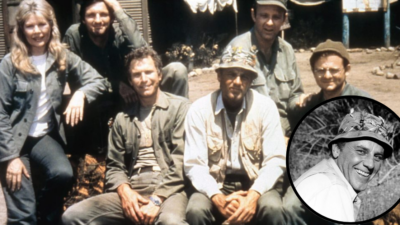
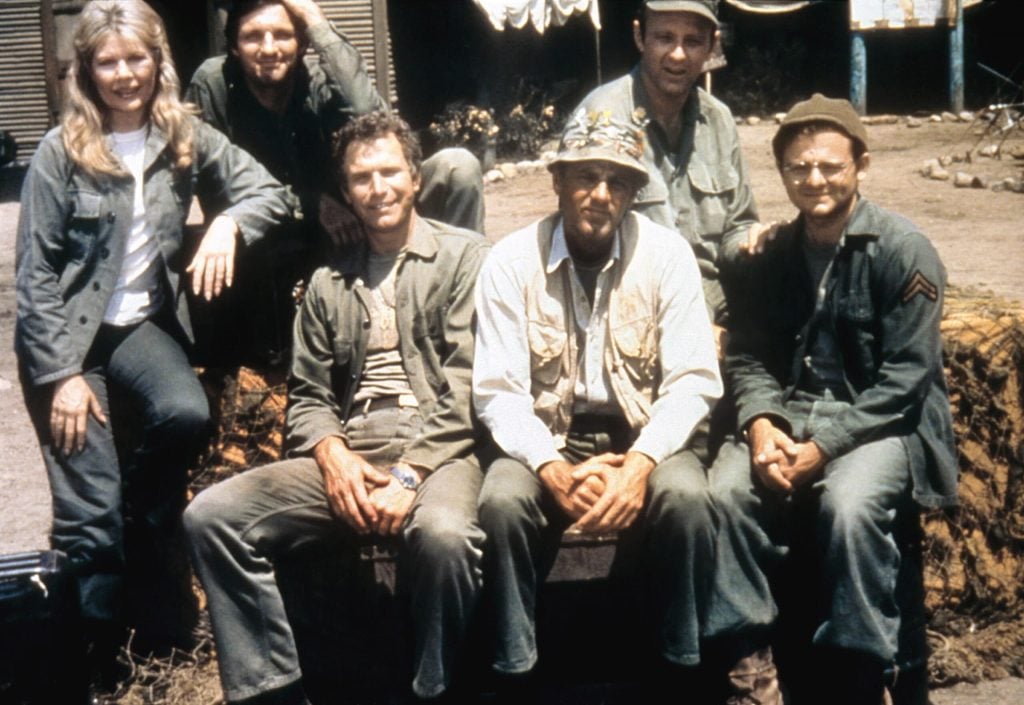
On March 18, 1975, M*A*S*H ended its third season with Radar O’Reilly walking into a quiet operating room and telling the surgeons that Lt. Col. Henry Blake’s plane had been shot down over the Sea of Japan. There were no survivors. Millions of viewers had just watched McLean Stevenson’s lovable, fishing-hat-wearing commander say goodbye and climb into a helicopter for home, and the episode, “Abyssinia, Henry,” left them stunned.
So did the cast know Henry Blake’s plane would go down? Almost none of them did. The final scene was left out of the scripts the actors had been working from all week, and they were handed the missing page only moments before the cameras rolled on it. Just one member of the cast had been told ahead of time, and the man playing Henry Blake was not that person.
Who Knew Henry Blake Was Going To Die?
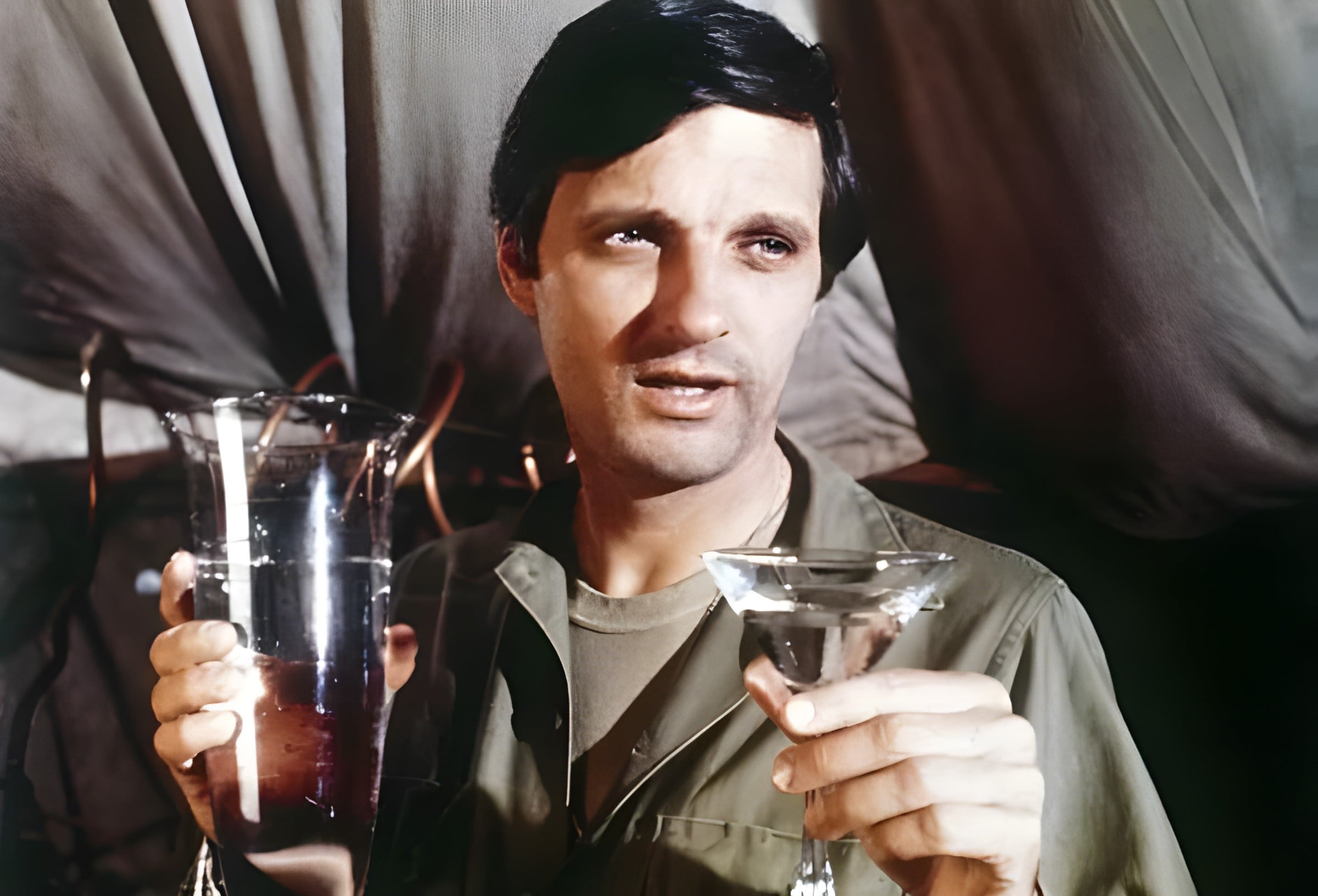
The secret belonged to the producers. Co-creator Larry Gelbart, who directed the episode himself, and executive producer Gene Reynolds decided on the ending, and the writers, Everett Greenbaum and Jim Fritzell, built the farewell around it. The only actor let in on it was Alan Alda, who by the third season had become the clear star of the show. Everyone else, Stevenson included, believed Henry was simply going home to Bloomington, Illinois.
Gelbart explained the thinking years later in his 1998 interview for the Television Academy Foundation. “The reason we kept it a secret, our primary reason, was to keep the actors from being influenced by that information,” he said. The cast had spent three seasons beside Stevenson, and the producers did not want a week of goodbyes colored by grief for a friend who was really only changing jobs. That raises the obvious question of why Stevenson was leaving at all.
Why McLean Stevenson Wanted Out Of The 4077th
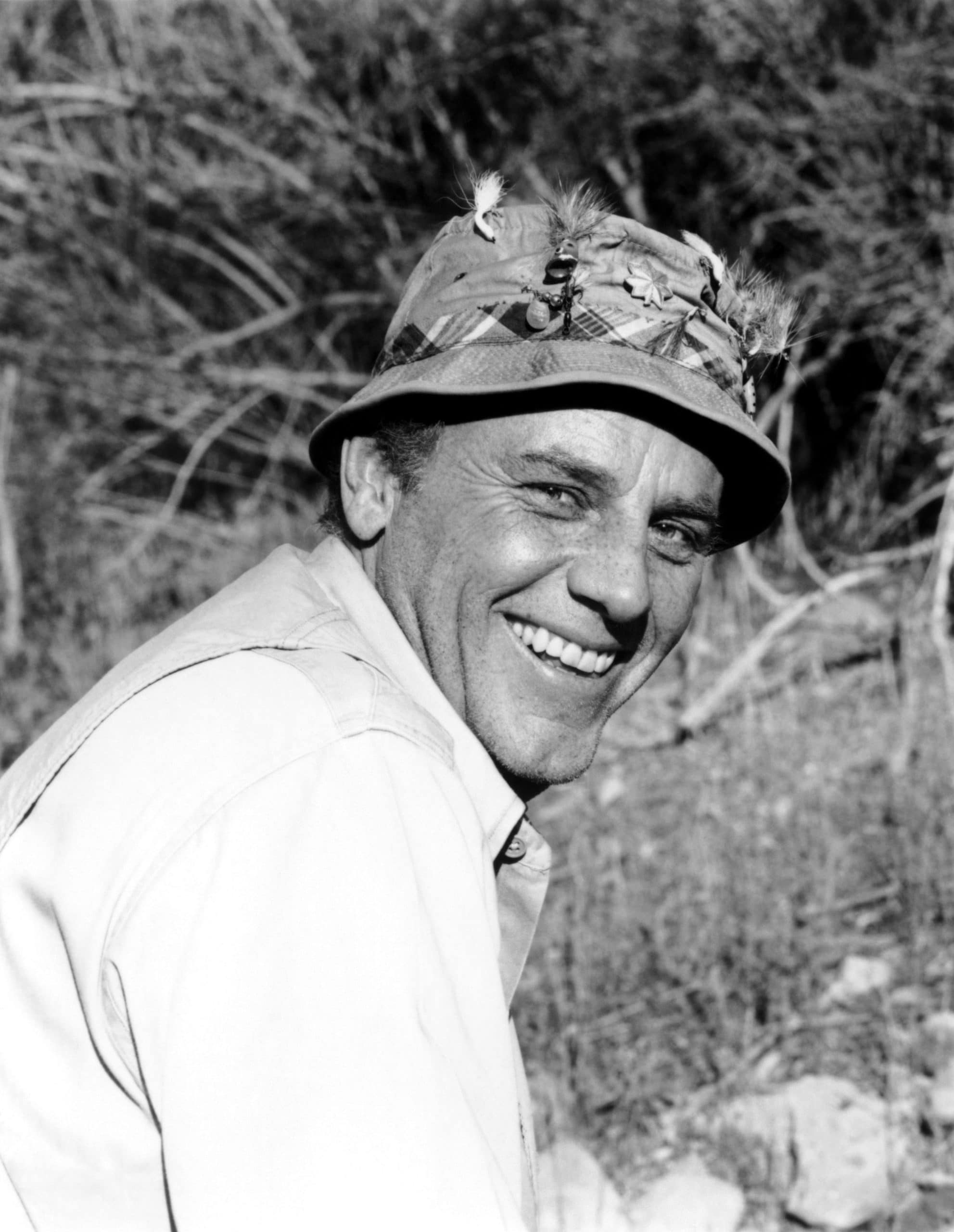
By 1974, Stevenson had grown tired of playing the comic second banana while Hawkeye carried most of the stories. Loretta Swit, who played Margaret Houlihan, remembered what he told her in her 2004 Emmy TV Legends interview: “I know I will not be in anything as good as this show, but I have to leave and be number one.” He also had complaints about how 20th Century Fox treated the cast and crew, including the bare-bones conditions on location, and he was guest-hosting The Tonight Show for Johnny Carson often enough that NBC came calling with a far richer offer.
Reynolds told the story in his 2000 Television Academy interview, excerpted by Slate in 2022. Stevenson came to the producers and said, “This guy says I could have my own show,” and then, simply, “I wanna get off the show.” He still had time left on his contract, but the producers saw how unhappy he was and agreed to let him go if he finished the season.
Most departing sitcom characters simply wave goodbye. Reynolds had another idea, and he put it to the writers as a question: “What if he went into the drink?”
The Manila Envelope And The Last Page

The farewell was shot in the fall of 1974, and every scene the cast filmed that week pointed toward a happy ending. Hawkeye and Trapper throw Henry a drunken send-off, and in the final goodbye he hugs Radar and lifts off from the compound. Then, before the company wrapped, the cast was called together. “I had this manila envelope with the last page in it that they’d never seen,” Gelbart recalled in his Television Academy interview, and Reynolds described the same envelope in his own. “They really could not believe what was on the page,” Gelbart said.
The hardest job fell to Gary Burghoff, whose Radar had looked up to Henry as a father figure all series long. He had to walk into the O.R. with a slip of paper and get through the news in one long, quiet shot while the surgeons kept working. Stevenson was on the set and watched the scene being filmed. Columnist Marilyn Beck reported at the time that he left the soundstage as soon as the final “cut” was called, and the season’s wrap party was called off because nobody was in the mood to celebrate.
The secret did not stay inside the studio for long. Beck had already told readers in November 1974 that Blake would be killed off, and Gary Deeb of the Chicago Tribune revealed it again that January, nearly two months before air. Most viewers never saw those columns.
The Letters That Poured In
The producers received more than a thousand letters after “Abyssinia, Henry,” and Reynolds later said some came from people who understood and many more from people who didn’t. One woman from New York phoned him directly. “I don’t know why you did it,” she told him. “It was not necessary, it’s just a little comedy show.” CBS and 20th Century Fox were not pleased either, and CBS trimmed the O.R. scene from at least one rerun, though it has been restored in syndication and on DVD.
Gelbart and Reynolds never backed down, because the death was the point. With the Vietnam War still fresh in viewers’ minds, they wanted one episode that showed how random war really is. “A lot of guys didn’t get back to Bloomington,” Reynolds said in the 1981 PBS documentary Making M*A*S*H. Over time the audience came around. TV Guide placed the episode at number 20 on its 1997 list of the 100 greatest episodes of all time, and the change in tone helped turn M*A*S*H into the show that ran eight more seasons with Harry Morgan’s Colonel Potter in charge.
If you were one of the fans who could not shake it, Stevenson tried to cheer you up. In May 1975 he turned up on Cher’s CBS variety show, back in Henry’s fishing hat, rowing a smoking life raft. “Hey guys, I’m okay! I’m okay!” he called out, as MeTV recounted. The life he rowed toward turned out to be harder than anyone expected.
What Happened To McLean Stevenson After ‘M*A*S*H’?
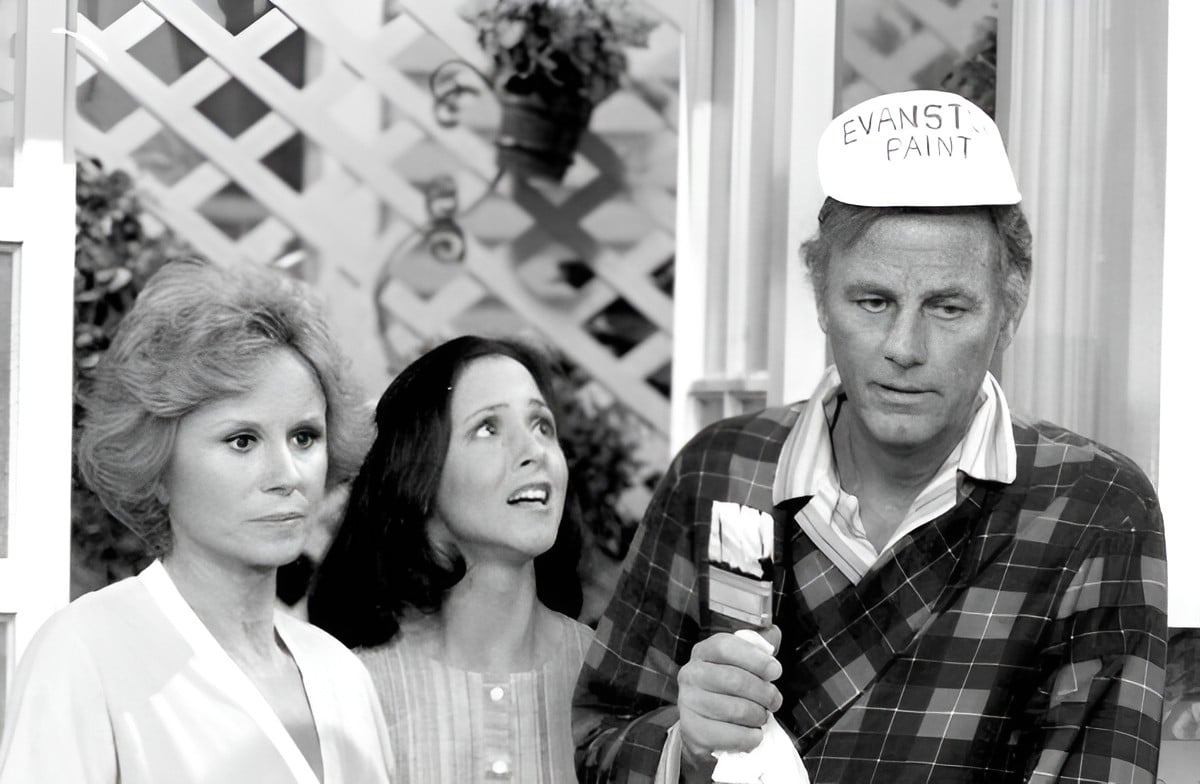
The big NBC career never quite arrived. A variety special called The McLean Stevenson Show aired in November 1975, and a sitcom with the same name followed in 1976 but ended after 12 episodes. In the Beginning, where he played a priest, lasted nine episodes in 1978, and Condo came and went in 1983. Only Hello, Larry, with Stevenson as a divorced radio host raising two daughters, made it to a second season, from 1979 to 1980. You can read more about how that decision followed him, and about another long-debated M*A*S*H mystery, whether Hawkeye Pierce had a sister, here on DYR.
Stevenson was honest about it. “When I left the show, the mistake was not in leaving,” he said in a 1991 interview quoted in his obituaries, including the Seattle Times. “The mistake was that I thought everybody in America loved McLean Stevenson. That was not the case.” He understood by then that the man people missed was Henry Blake, the small-town doctor he had modeled on his own father, a physician in central Illinois.
McLean Stevenson died of a heart attack on February 15, 1996, at a Los Angeles hospital where he was recovering from bladder cancer surgery. Born November 14, 1927, he was 68, although several wire reports at the time gave his age as 66. In a twist the 4077th’s writers might have hesitated to use, Roger Bowen, who played Henry Blake in the 1970 MASH film, died of a heart attack the very next day. Both men who wore Henry’s fishing hat were gone within hours of each other, and the quiet O.R. scene that broke so many hearts in 1975 still lands just as hard in reruns today.

 Jimmy Stewart’s Daughter Kelly Is 75 And Chose A Life Far From Hollywood