

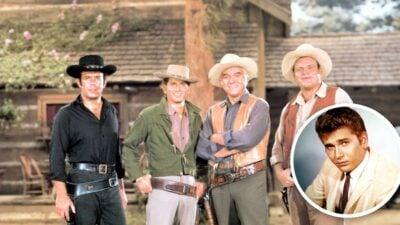
Michael Landon would have turned 90 on Saturday, October 31, 2026. He was born Eugene Maurice Orowitz on Halloween 1936 in Forest Hills, Queens, and by the time pancreatic cancer took him on July 1, 1991, at 54, he had spent three decades in our living rooms as Little Joe Cartwright, Pa Ingalls and the angel Jonathan Smith. Yet the most personal story he ever filmed was a 1976 TV movie about a boy with a secret he raced home from school every day to hide.
Michael Landon’s childhood took shape in Collingswood, New Jersey, where the Orowitz family moved in 1941. His father, Eli, was Jewish and his mother, Peggy O’Neill, was an Irish Catholic dancer and comedian, and the boy grew up feeling like an outsider. “We were one of two Jewish families in a working-class town that had its share of anti-Semites,” he told the Associated Press in 1991. He found his way out through the most unlikely door: the javelin.
How Did a Prank Haircut End Michael Landon’s Olympic Dream?
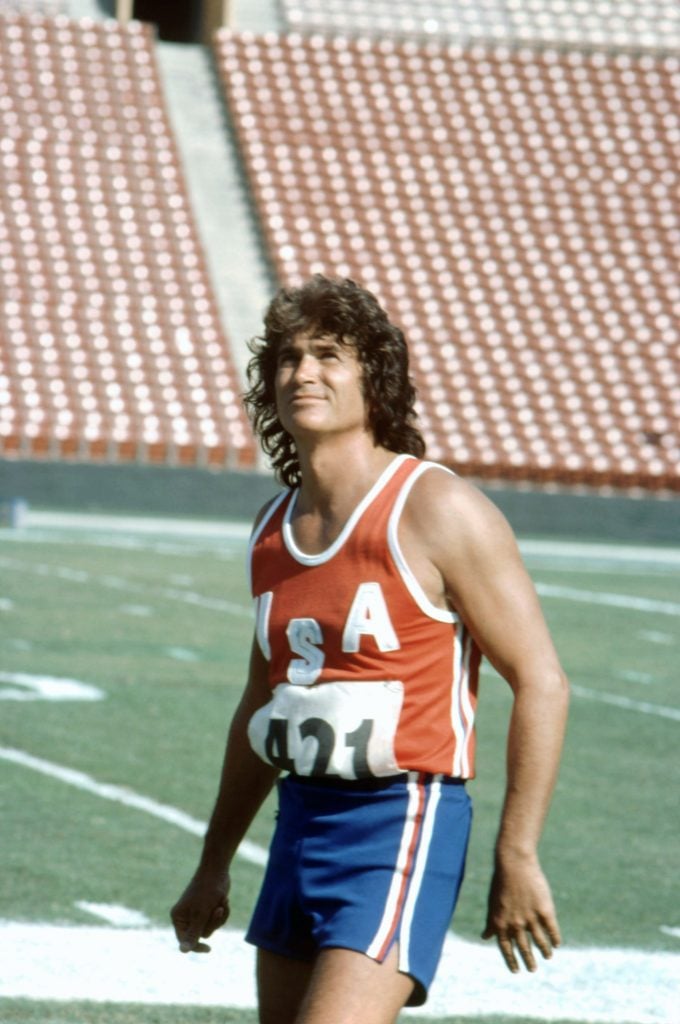
He was about 17 when he picked up a battered metal javelin in gym class and threw it into the bleachers, some 30 feet past the next best mark, according to the Television Academy. By 1954 he had reached 193 feet, 4 inches, the longest throw by an American high schooler that year, and it earned him an athletic scholarship to the University of Southern California.
He also had a theory about where all that power came from. “I saw Samson and Delilah, with Victor Mature, and got the idea that if I let my hair grow long, it would make me strong,” he said years later. “And you know, I still believe it did.” His widow, Cindy Landon, told the Television Academy the same thing in her own words: “The longer he grew his hair, the stronger he became.”
At USC, a group of fellow athletes cut off that hair as a prank. His distances dropped, and when he strained to win them back he tore the ligaments in his throwing arm, which ended both his track career and his time at the university. He ended up pumping gas across the street from Warner Bros. in Burbank, where talent agent Bob Raison spotted him. He picked a new last name out of a phone book, and in 1957 he played the title role in I Was a Teenage Werewolf. Two years later, a producer named David Dortort had a much bigger part in mind.
Why Did Little Joe Get More Fan Mail Than Any Other Cartwright?
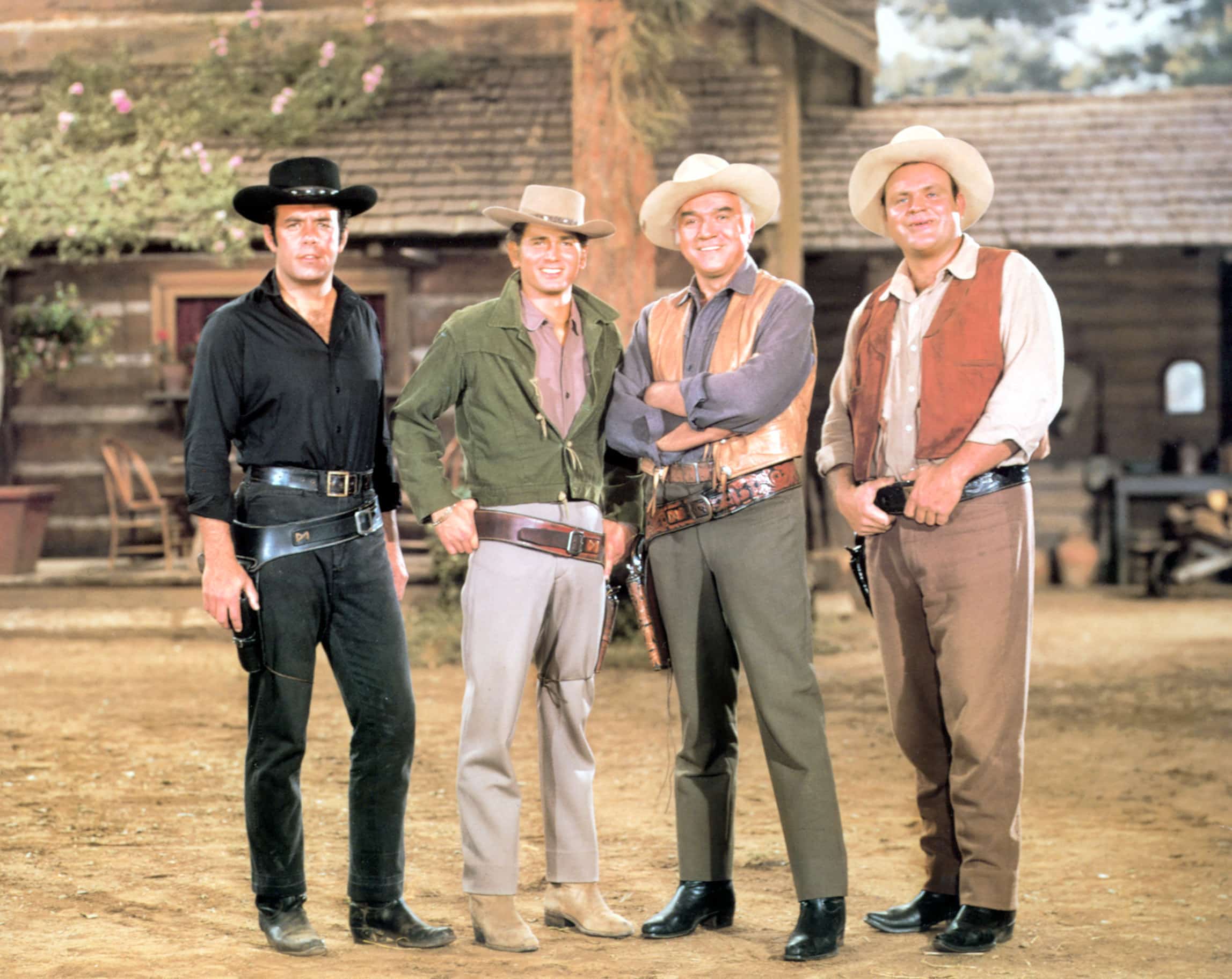
Dortort cast him as Little Joe on Bonanza in 1959, when Landon was 22, and the youngest Cartwright quickly drew more fan mail than anyone else on the Ponderosa. He stayed for all 14 seasons, through the 1972 death of Dan Blocker, a loss that made Lorne Greene believe the show should have ended right there. Landon spent those years learning to write and direct, too. Producer Kent McCray recalled that he could finish a script in a week without an outline, and he once saved a shoot by writing a Bonanza episode overnight.
A family crisis shaped what he did next. In 1973 his teenage stepdaughter, Cheryl, was badly hurt in a car accident, and Landon made a bargain at her bedside. “I promised God that if He would let her live, I would do something useful with my life,” he said. She lived, and he went on to star in, produce, write and direct Little House on the Prairie from 1974 to 1983, then Highway to Heaven from 1984 to 1989 alongside Victor French. At home, meanwhile, the family kept growing.
What Did Landon Tell Johnny Carson Weeks Before He Died?

Landon married three times: to Dodie Levy-Fraser in 1956, to Lynn Noe in 1963 and to Cindy Clerico, a makeup artist on Little House, in 1983. Between adoptions and births he raised nine children, among them Mark, Josh, Cheryl, Leslie, Michael Jr., Shawna, Christopher, Jennifer and Sean. In April 1991, after a ski trip to Utah, doctors told him he had inoperable pancreatic cancer. “I knew it was bad because I was at work at the time, I was a school counselor, and he called me,” Leslie Landon told The National Desk in 2025. She remembered “him crying on the other line.”
On May 9, 1991, he walked onto The Tonight Show Starring Johnny Carson to a standing ovation. He said he felt “very good,” and when asked how he was coping he answered, “You’ve got to laugh a lot,” the Associated Press reported. He joked that he had “9 kids, 9 dogs, 3 grandkids, one in the oven,” and he saved his only stern words for the supermarket tabloids whose headlines were frightening his younger children. When he promised to come back after George Foreman’s August fight, Melissa Gilbert, watching at home, understood. “I nearly burst into tears because I realized that Mike knew there was no chance he would be back then,” she wrote in her 2009 memoir, Prairie Tale.
He died at home in Malibu on July 1 with Cindy at his side. “Tens of 1000s of cards and well wishers, and it was just unbelievable the love that was poured out on our father,” Michael Landon Jr. said in 2025. Long before those final weeks, though, Landon had already shared the hardest chapter of his life with television audiences, and most of them never knew it was his.
The Secret Michael Landon Raced Home From School to Hide
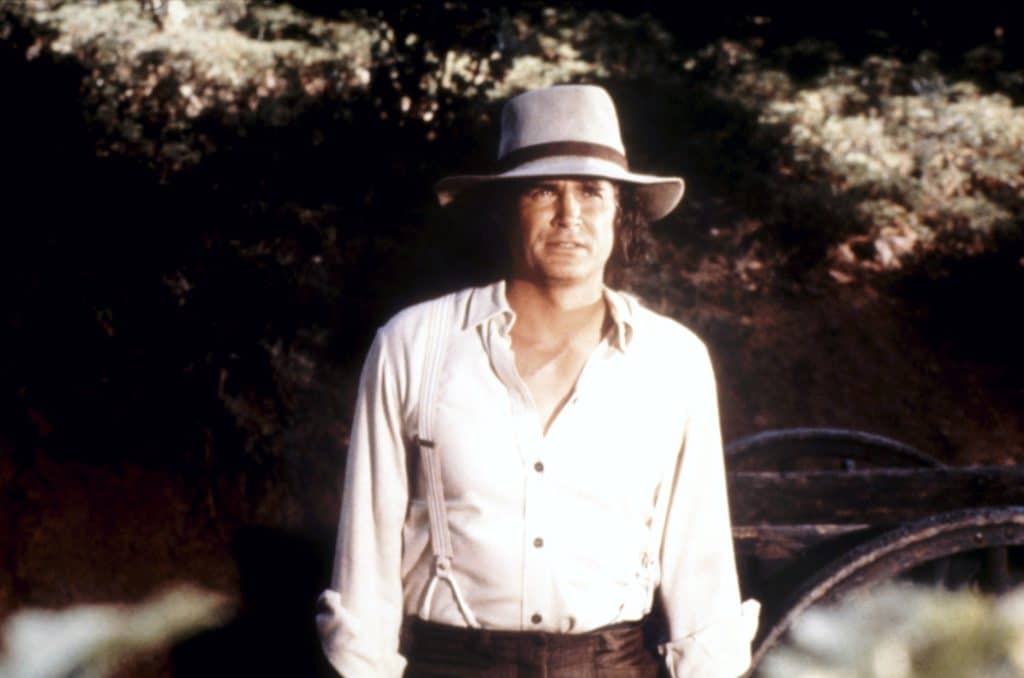
Life inside the Orowitz house in Collingswood was frightening. Peggy O’Neill threatened suicide repeatedly, and on one family beach trip her son pulled her out of the ocean, only to watch her carry on minutes later as if nothing had happened. He threw up afterward. As an adult he described her as “a stabber, a kicker and a wacko.”
The strain showed up at night. The boy wet the bed well into his teens, until about 14 by most accounts, and his mother answered by hanging his soiled sheets out of his bedroom window for the neighbors and his classmates to see, as INSP and the Washington Post have both reported. So every day he ran home from school to pull them down before anyone walked past.
He kept that story to himself for decades. Then on December 20, 1976, NBC aired The Loneliest Runner, which Landon wrote, produced and directed. Lance Kerwin played John Curtis, a boy whose mother hangs his stained sheet in the window, and Landon himself appeared as the grown John, an Olympic marathon champion looking back. He cast his Little House daughter Melissa Sue Anderson as the girl John hopes will never find out, and he gave Brian Keith, as the father, a quiet scene confessing that he had wet the bed until he was 14 too. The film earned two Emmy nominations.
In Landon’s retelling, the boy who sprinted home in shame becomes a man who runs for gold, and the running is what saves him. Cindy Landon once summed up what he did best: “I think that Michael really knew how to touch peoples’ hearts with simple stories.” This one cost him the most to tell.



 95-Year-Old Dan Rather Reveals What He Really Thinks About CBS News Today